
 NFL
NFL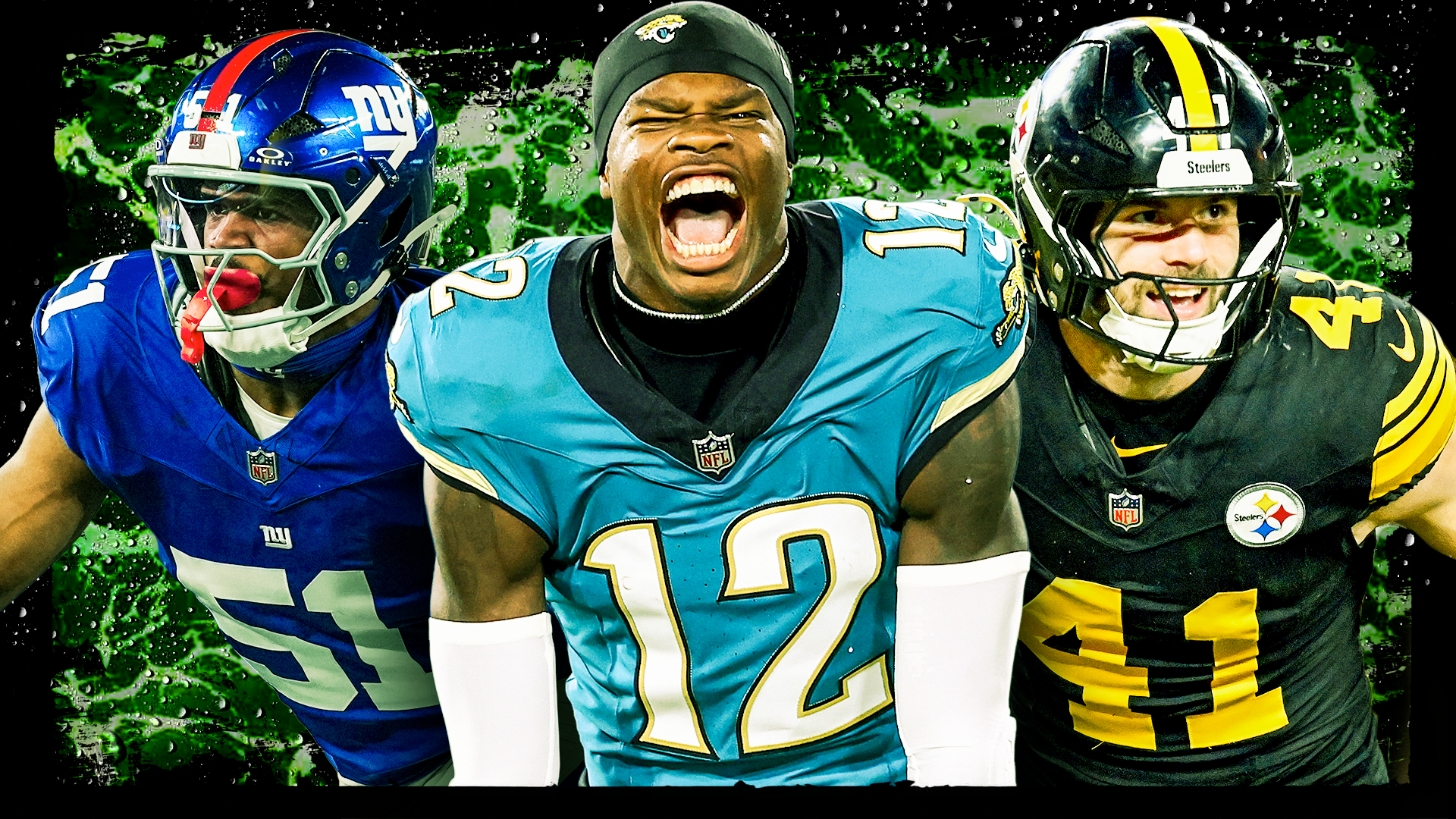
The NFL calendar never really sleeps. One week it’s camp battles and depth-chart smoke. The next, the breakout conversation starts turning into pressure, leverage, and expectation. CBS Sports dropped its 2026 All-Breakout Team projections this week, and the message came through loud: the next wave is not waiting politely behind the league’s established stars.
Chicago sits right in the middle of that spotlight. CBS Sports put Caleb Williams at the front of its offensive breakout class, and that changes the temperature around the Bears immediately. Not eventually. Right now. Breakout labels are fun in August, but they also come with a scoreboard attached. Williams is no longer entering the season as a developmental curiosity or a long-view rebuild piece. The conversation has shifted toward production, command, and whether Chicago can turn flashes into meaningful football in January.
That matters because the Bears are no longer selling patience.
They’re selling acceleration.
CBS Sports also highlighted two other Bears offensive players among the projected risers, reinforcing a bigger point around the league: people expect this offense to jump together, not in isolated moments. That is how contenders emerge in today’s NFL. Quarterbacks can elevate a franchise, but coordinated growth across an offense changes defensive game plans every single week. Defenses can survive one hot player. They struggle when structure starts winning snaps.
And if Williams delivers on the hype, the NFC North gets uncomfortable fast. Detroit already operates with playoff expectations. Green Bay never leaves the conversation for long. Minnesota remains dangerous whenever stability shows up under center. Chicago entering that mix with a quarterback expected to make a serious leap changes the division from competitive to volatile.
That’s not theory. That’s leverage.
On the defensive side, CBS Sports leaned into young chaos creators, headlined by Abdul Carter and Travis Hunter. Two names. Two completely different paths to impact. Same underlying point: versatility and disruption are becoming premium currency across the league.
Carter’s inclusion reflects where modern defenses are headed. Pressure still rules everything. Coordinators want edge players who erase clean pockets before routes even develop, and breakout edge defenders can flip a season in a month. One dominant pass rusher changes third downs, changes protections, changes how aggressively offenses can attack vertically. Teams spend years searching for that kind of defensive gravity.
Hunter brings a different layer to the conversation. CBS Sports pointed directly at his two-way ability, which remains one of the most fascinating developments anywhere in football. The league loves specialization until someone talented enough breaks the template. Hunter’s breakout potential on defense signals more than athletic novelty. It hints at a future where flexibility becomes strategic advantage instead of occasional gadget value.
One player. Multiple answers.
That keeps coaches awake.
The bigger takeaway from both CBS Sports lists is how quickly timelines move now. Young quarterbacks are expected to command offenses almost immediately. Young defenders are expected to pressure veteran linemen from Day 1. Patience still exists in theory, but competitive windows close too quickly for organizations to wait around hoping development arrives eventually.
That urgency is why these preseason breakout conversations matter more than they used to. They shape expectations inside buildings and outside them. Fans read these lists as optimism. Front offices read them as pressure points. Opposing coordinators read them as warnings.
And some of these names are walking into very real football consequences this season. If Williams breaks through, Chicago’s offense becomes a weekly measuring stick instead of a rebuilding experiment. If Carter becomes the disruptive force many expect, offenses will start sliding protections his direction before midseason. If Hunter thrives defensively while maintaining his unique versatility, teams across the league will spend the offseason searching for the next player capable of bending roster logic.
That’s how trends begin in the NFL. Quietly at first. Then all at once.
There is also a broader truth sitting underneath these breakout projections: the league is starving for young stars who feel magnetic. Not just productive. Magnetic. Quarterbacks who pull national attention. Defenders who alter game flow. Multi-role athletes who challenge old assumptions about how NFL players are supposed to develop. The sport always refreshes itself through new faces, and this year’s projected breakout class feels particularly tied to identity shifts for multiple franchises.
Chicago is trying to become relevant fast, not respectable slowly. Carter represents the endless league-wide obsession with edge pressure. Hunter represents imagination in a sport that often defaults to convention.
Different stories. Same stakes.
Now comes the hard part. Projection season is easy. Defensive coordinators are not. Neither are December road games, disguised coverages, or expectations that harden after every strong performance. The league loves upside until it demands consistency.
Looking Ahead: preseason hype is about to collide with real evaluation windows. Every throw from Caleb Williams will be dissected. Every disruptive snap from Abdul Carter will fuel louder conversations. Every Travis Hunter deployment will become a national talking point. August builds intrigue. September starts keeping receipts.
If you missed it, you’re behind.