
 NBA
NBA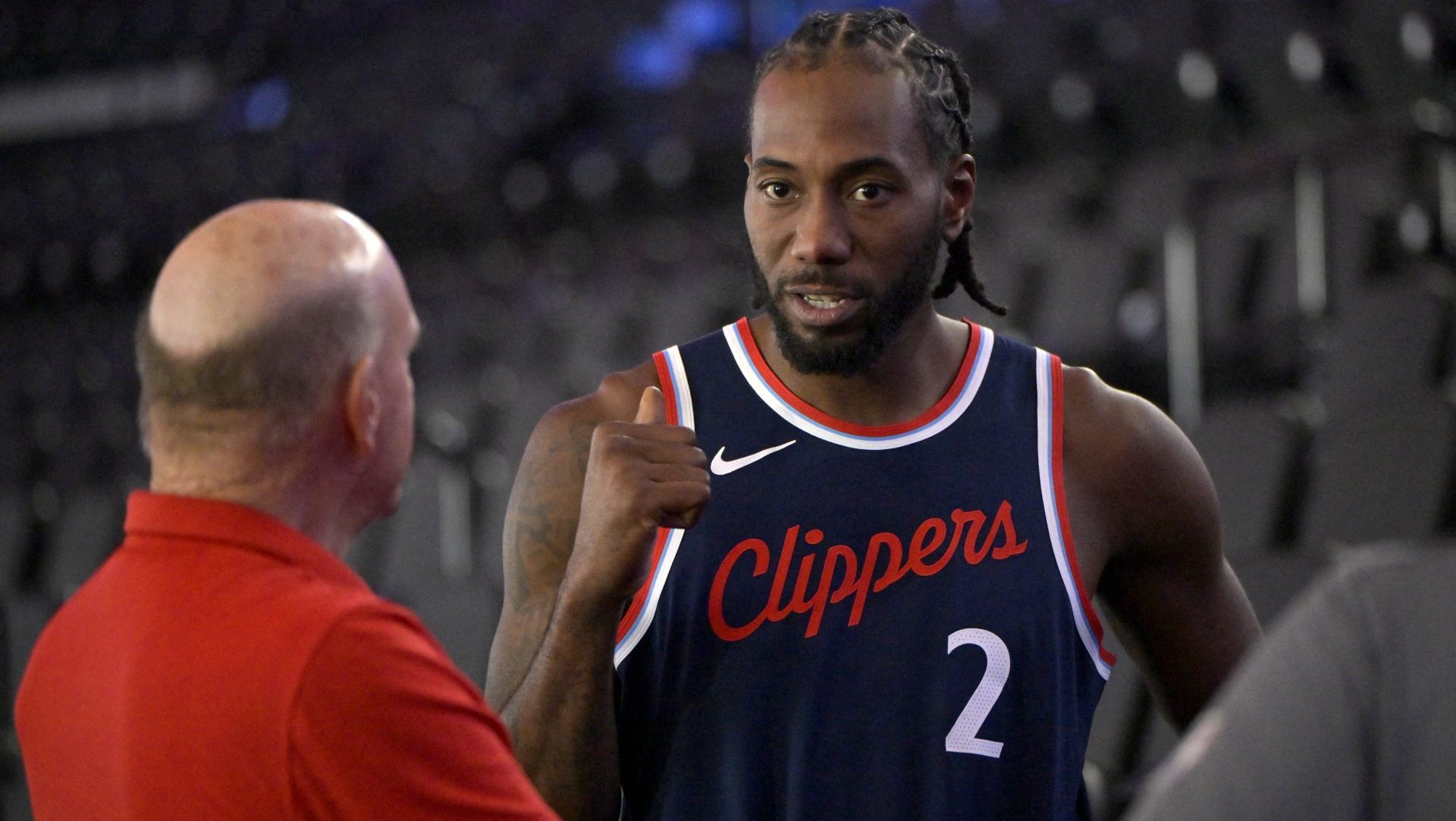
September 2026
The NBA calendar usually drifts through early September on low heat. Workout clips. Executive chatter. A few recycled debates. Then the Clippers stepped into the middle of the league conversation and dragged the temperature up fast.
Front Office Sports reported that an NBA punishment involving the Clippers put a disputed ESPN report back under the microscope, with Kawhi Leonard and owner Steve Ballmer tied to the wider conversation. Yahoo Sports amplified the story as the debate spilled across league circles. The exact details surrounding the dispute remain contested publicly, but the bigger takeaway landed clean: the NBA still has a trust problem whenever player health, reporting accuracy, and competitive transparency collide.
And nobody in basketball draws that tension faster than the Clippers.
For years, the franchise has existed inside two timelines at once. One is ambition. Massive spending. Championship expectations. Star-level pressure every season. The other is uncertainty. Availability questions. Constant scrutiny. Every update around Leonard becomes a leaguewide discussion because the stakes never stay local. A player that important changes betting markets, television value, playoff projections, and front-office strategy just by stepping on the floor.
That is why this story hit harder than a routine offseason disciplinary note.
This wasn’t just about one disputed report. It became a referendum on how information moves around the NBA and who controls the message when elite players are involved. ESPN’s reporting entered the conversation. The Clippers pushed back. League punishment followed. Suddenly the basketball world spent the week debating credibility as much as competition.
That’s not background noise. That’s power.
The modern NBA runs on information almost as much as talent. Injury updates shape national broadcasts. Load management policies influence ticket sales. Teams preach transparency publicly while protecting every possible competitive edge privately. Somewhere in the middle sits the league office trying to enforce standards without igniting another public relations firestorm.
The Clippers know this terrain well. Leonard’s status has become one of the most monitored situations in basketball over the last several years, fairly or unfairly. Every absence creates questions. Every report creates reaction. Every reaction creates another cycle. Even when details remain unclear, the attention itself becomes part of the story.
Short market. Long memory.
That matters because the Western Conference is not waiting for anybody. Teams around the league spent the summer chasing durability, continuity, and availability. The Clippers remain built around elite ceiling outcomes. When healthy, they still command respect. When uncertainty enters the picture, the conversation changes instantly from contender to volatility risk.
Front Office Sports framed the punishment as a spotlight moment, and that framing stuck because it tapped into a larger league reality. The NBA has spent years tightening participation policies and emphasizing consistency in reporting around player health. Fans want clarity. Broadcast partners want reliability. Bettors want accuracy. Teams want strategic flexibility. Those goals do not always coexist peacefully.
And the Clippers keep ending up at the center of that collision.
Steve Ballmer’s presence in the reporting added another layer because ownership involvement always sharpens league attention. Ballmer has pushed aggressively to position the Clippers as a premier franchise operation, from infrastructure investment to brand growth to championship pursuit. Any controversy tied to communication, discipline, or league oversight naturally carries heavier weight when ownership becomes part of the headline.
One report. Multiple pressure points.
The fascinating part is how quickly the conversation shifted beyond the original dispute itself. Around the league, executives, media voices, and fans started revisiting broader questions about accountability and access. How much should teams disclose? How aggressively should reporters pursue sensitive information? Where does league enforcement help credibility, and where does it create more confusion?
There are no clean answers there. There rarely are in the NBA’s modern ecosystem.
But this week reinforced something important heading toward training camp: availability narratives are no longer side plots. They are central to how contenders are judged. The Clippers are talented enough to change the shape of the Western Conference if everything clicks. They are also one of the few teams capable of generating major headlines before preseason games even start.
That duality follows them everywhere.
Looking Ahead, the focus shifts toward whether this story cools down or grows legs entering camp. The league will keep emphasizing reporting standards. The Clippers will try to move attention back toward basketball. Leonard’s status will remain a permanent talking point until sustained games erase the noise. That’s the reality now. September whispers become October pressure fast.
The league moves. We call it.