
 College Football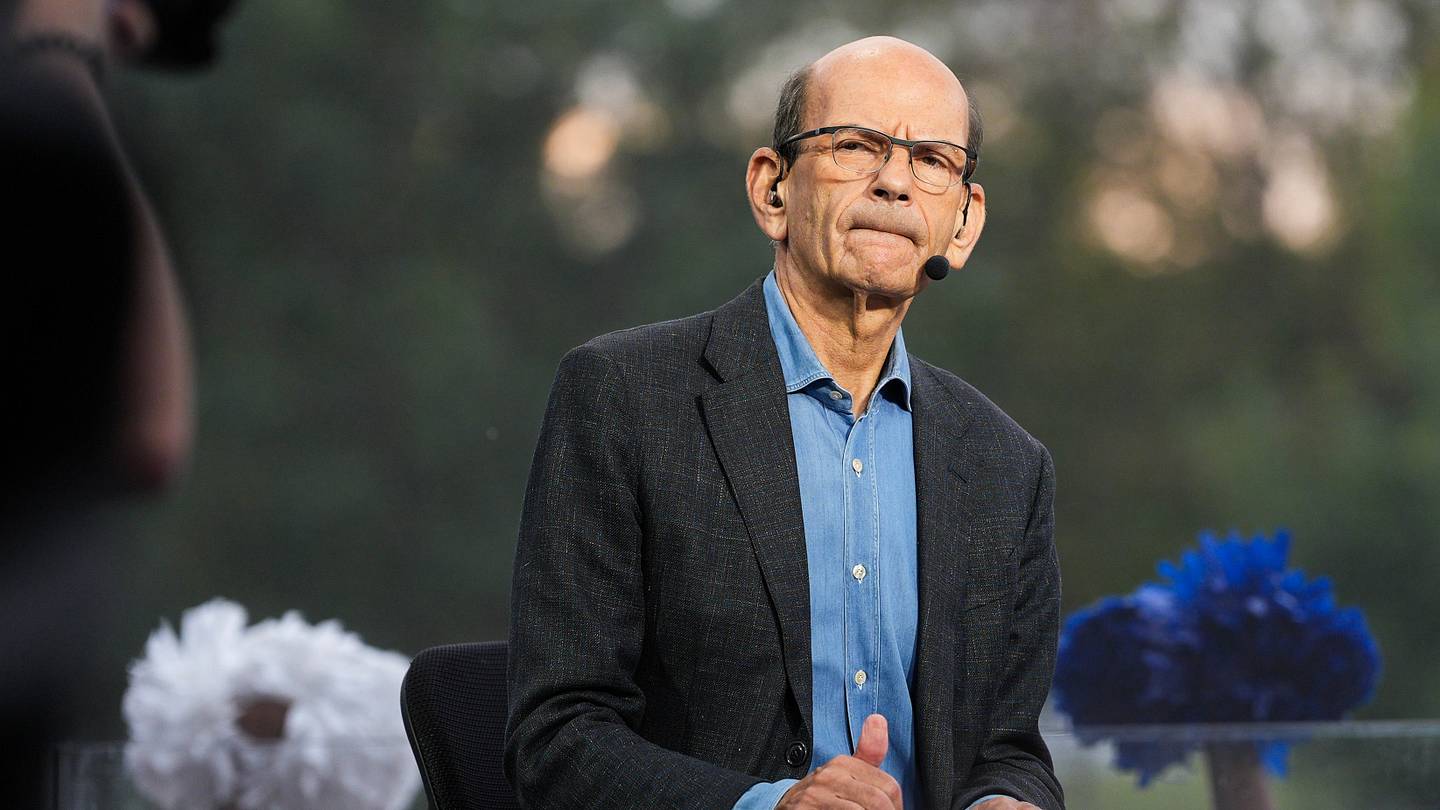
College football does not do patience. It does not care about future projections, recruiting stars, or clean media narratives once the games start carrying weight. This week felt like a referendum on pressure. Quarterbacks. Coaches. Blue-blood programs. The microscope got tighter, and the loudest conversations in the sport circled around expectation versus reality. ESPN personality Paul Finebaum, through multiple Sports Illustrated reports this week, turned the heat directly onto some of the biggest names in the game. That matters because college football runs on perception almost as much as production.
The biggest spotlight landed on Texas quarterback Arch Manning. Finebaum’s take through Sports Illustrated cut straight through the hype machine: “He is what he is.” Short sentence. Heavy implication. Manning entered the season carrying one of the loudest surnames the sport has ever seen, and every throw now gets graded like a playoff possession. That is life at Texas. Fair or not, the conversation has already shifted from potential to proof. The interesting part is not just the criticism itself. It is what the criticism represents. Texas is no longer chasing relevance. The Longhorns are expected to dominate meaningful games, compete for titles, and justify every ounce of preseason hype. A quarterback attached to that expectation does not get developmental grace periods.
That’s not theory. That’s leverage.
The Manning conversation also reveals how fast college football burns through patience in the modern era. A player can carry massive upside and still get flattened by the weekly pressure cycle. One uneven stretch becomes a national debate topic before Sunday night hits. Finebaum’s comments captured that energy perfectly. The sport wants stars immediately. Not eventually. The SEC spotlight amplifies everything, and Texas now lives fully inside that ecosystem.
Then came the shot at Clemson head coach Dabo Swinney. Finebaum said Swinney’s reputation has taken a hit, another Sports Illustrated report that immediately grabbed traction because it touches one of the defining questions in the sport: has Clemson slipped from powerhouse to just another contender? Swinney built one of the strongest brands of the playoff era. National titles. Elite quarterback play. A program identity that felt stable while the rest of the sport spun wildly through conference shifts and NIL chaos. But reputation in college football works like playoff rankings. It updates weekly.
One bad season can be dismissed. Sustained unevenness becomes identity.
That is the pressure point around Clemson now. The criticism is not about whether Swinney can coach. His résumé settled that years ago. The issue is whether Clemson still intimidates elite opponents the way it once did. Programs lose aura before they lose talent. That is usually how the decline starts. Opponents stop walking into games already beaten mentally. The conversation around Clemson this week felt less about panic and more about vulnerability. There is a difference.
And then there is Ohio State head coach Ryan Day, who caught perhaps the sharpest criticism of the week. Finebaum’s line, highlighted by Sports Illustrated, was blunt: Day “can’t quit choking.” That phrasing does not leave room for soft interpretation. Fair or unfair, Day continues to get measured almost exclusively against the biggest games on the schedule. That is the burden attached to Ohio State football. Ten-win seasons barely move the emotional meter in Columbus if the defining moments go sideways.
Here is the brutal part: perception hardens fast in college football. Once a coach gets tagged with a narrative in major games, every future loss reinforces it. Day’s situation now lives in that territory. The roster remains elite. Expectations remain championship-level. But pressure compounds when a program keeps arriving at the same emotional crossroads. Ohio State is not chasing respect. It is chasing closure.
The ripple effect from all three storylines is bigger than one week of television debate. These conversations shape playoff narratives before November even arrives. They influence recruiting chatter, fan confidence, and national framing around contender status. Texas wants validation. Clemson wants restoration. Ohio State wants redemption. Three giant brands. Three different kinds of pressure.
And none of them get easier schedules emotionally.
The sport also feels increasingly impatient with legacy protection. Big names no longer receive automatic benefit of the doubt simply because they won big once before. Coaches and quarterbacks now operate inside a nonstop evaluation cycle powered by television hits, social media reaction, and playoff-or-bust standards. Finebaum’s comments landed because they reflected what much of the sport already whispers after Saturdays conclude. College football has become ruthless about proving relevance in real time.
Looking Ahead: The next few weeks will sharpen every one of these conversations. Texas needs consistency around Manning before the noise becomes defining. Clemson needs statement-level wins to quiet questions about trajectory. Ohio State needs big-game answers before the criticism calcifies further. September always starts with optimism. By midseason, the sport starts keeping receipts. If you missed it, you’re behind.