
 Boxing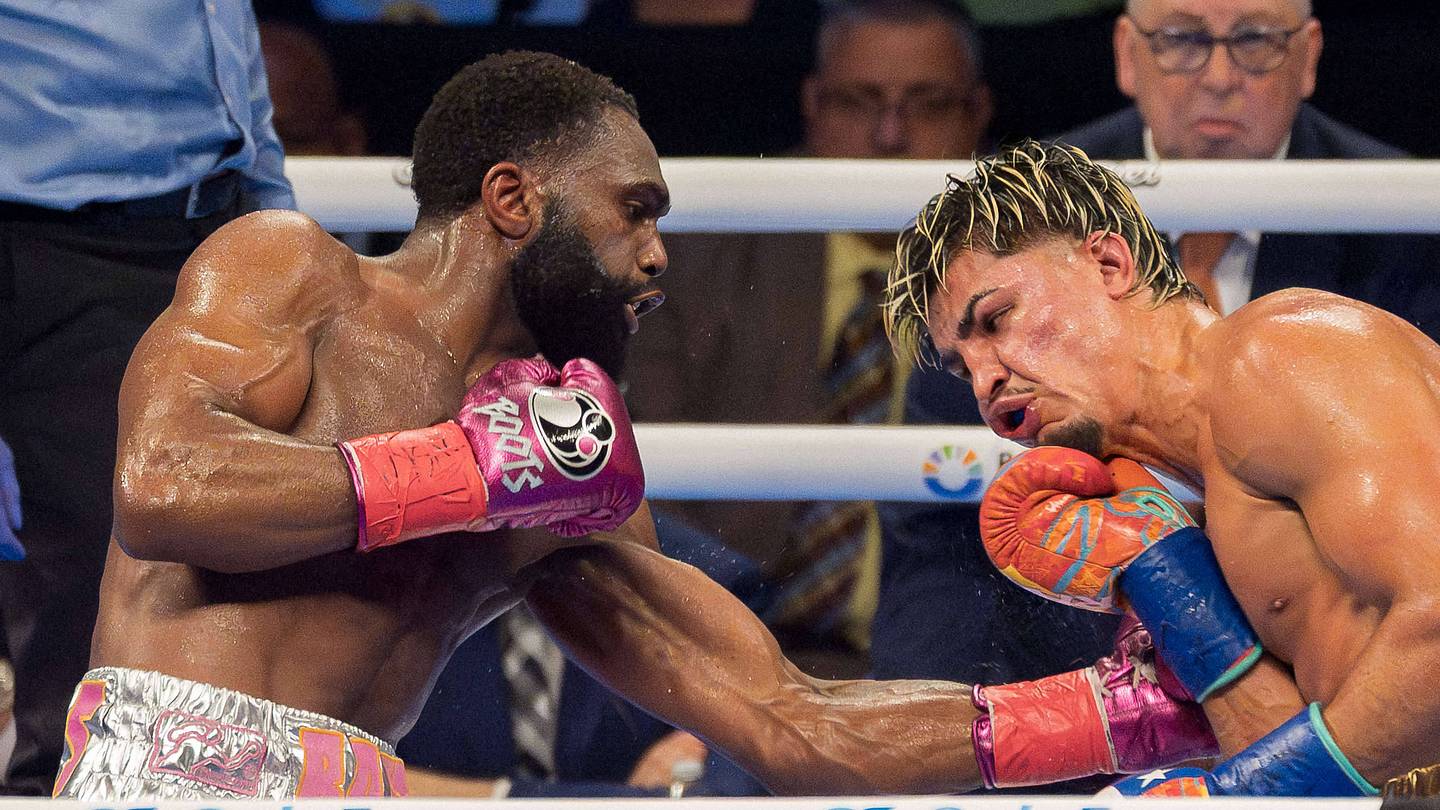
Boxing spent the week circling one big idea: star power still moves cities. Sports Illustrated zeroed in on Jaron Ennis and the growing stakes around a proposed 154-pound unification fight tied to Atlanta, and the conversation landed bigger than one matchup. This is not just about belts. It is about territory. Boxing has always hunted for homes that feel alive on fight night, and Atlanta suddenly sits in the middle of that discussion.
Ennis already carries the kind of profile that changes expectations. Fast hands. Sharp timing. Clean confidence. The move toward a major unification fight at 154 pounds pushes him into a different category entirely. Division anchors matter in boxing because they create gravity. Fans follow them. Broadcasters follow them. Other fighters suddenly want in on the same card, the same city, the same atmosphere. That is how fight hubs are built.
Atlanta is not a traditional boxing capital. That is exactly why this matters.
The city has long owned cultural influence while boxing searched elsewhere for its biggest stages. Las Vegas remains the old fortress. New York still has history attached to every walkout. Saudi Arabia has aggressively entered the premium-fight business. But boxing is always looking for fresh energy in the United States, especially in markets with young crowds, major entertainment infrastructure, and crossover appeal. Atlanta checks every one of those boxes if the fights are right.
Sports Illustrated framed the question directly: can Ennis turn Atlanta into a hotspot? The answer depends less on one event and more on whether the city can consistently produce meaningful nights instead of one-off spectacles. Big arenas are easy to book. Sustained fight culture is harder. Fans need rivalry. Momentum. Return dates circled on the calendar before the previous card even ends.
That is where a unification fight changes the math.
Unification bouts still carry weight in a fragmented sport because they cut through the noise. Casual fans understand what is at stake immediately. One division. Multiple titles. One fighter trying to separate himself from the field. That simplicity matters in an era where boxing often overloads audiences with interim labels and promotional politics. If Ennis headlines a real unification event at 154, the stakes become visible even to people who only tune in a few times a year.
And make no mistake, the timing matters. Boxing is fighting for attention in a crowded sports landscape every single weekend. UFC cards move fast and loud. Football owns entire Sundays before halftime even arrives. Basketball never stops generating headlines. A successful boxing market cannot survive on nostalgia anymore. It needs event energy. It needs stars who feel current.
Ennis has that lane available to him.
The Sports Illustrated piece also taps into something promoters understand well: cities want identity games. They want signature nights tied to signature athletes. Think about how certain arenas become attached to eras and personalities. That connection drives repeat attendance and local investment. If Atlanta becomes associated with major title fights at 154 pounds, it creates a regional pull boxing has struggled to establish consistently in the Southeast.
That is not theory. That is leverage.
There is also pressure attached to the moment. Once a city starts getting mentioned as a potential boxing destination, expectations rise immediately. Fans want stacked undercards. Media wants celebrity turnout. Fighters want visibility. A flat event can cool momentum fast. Boxing history is filled with markets that flashed hot for one season before disappearing back into the schedule rotation.
Ennis now sits at the center of that balancing act. The talent is not the question. The draw is the real test. Can one fighter make Atlanta feel mandatory for boxing fans? Can a unification fight create enough buzz to build consistency instead of curiosity? Those answers matter beyond one division because the sport needs more American cities capable of hosting major nights without relying entirely on legacy locations.
The other interesting angle is stylistic. Fighters who become city-builders usually bring more than technical skill. They bring a watch-now urgency. Fans need to believe something dramatic can happen every round. Ennis has developed that kind of intrigue around his career trajectory, and the jump into bigger fights at 154 naturally raises the stakes around every appearance.
Big fights create ecosystems.
That means restaurants packed before first bell. Celebrities courtside. Regional gyms gaining attention. Young fighters suddenly believing they do not need to leave the area to chase opportunity. Boxing works best when entire scenes grow around events instead of isolated broadcasts dropped into random markets.
Sports Illustrated pointed toward the possibility. The next move determines whether it becomes reality.
Looking Ahead: The focus now shifts to whether the proposed 154-pound unification fight can turn conversation into commitment. If Atlanta delivers a loud crowd and Ennis delivers a signature performance, boxing may have found more than a successful event. It may have found a new home base with real staying power. September sharpens quickly. Fight cities are earned, not handed.