
 College Football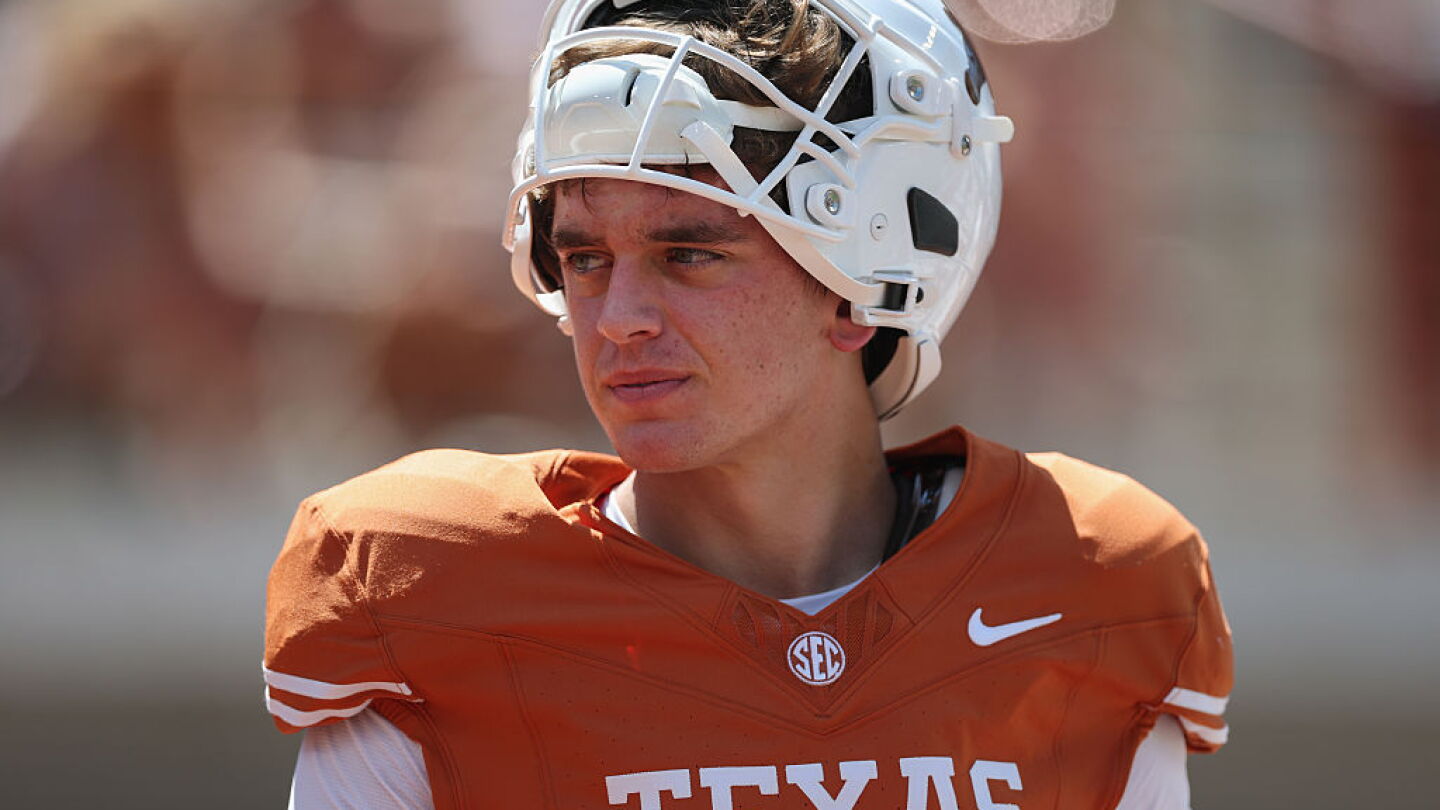
College football never really sleeps anymore. Not in the NIL era. Not in the transfer era. Definitely not in the AI era. This week, the sport got another reminder that the biggest programs operate under permanent floodlights after Texas quarterback Arch Manning apologized for publicly laughing about an AI-altered video involving ESPN reporter Holly Rowe. NBC Sports, Fox Sports, and WRAL all tracked the story as it moved from awkward online moment to a real conversation about responsibility in the most visible corners of college athletics.
The clip itself became the kind of internet fuel college football now churns through by the hour. Fast edits. Viral circulation. Instant reaction economy. Manning’s role was not creating the altered video, but joking about it publicly put him directly into the blast radius. That matters because quarterbacks at programs like Texas do not get treated like regular players anymore. Every comment travels. Every reaction gets clipped. Every shrug becomes content.
And Texas is not dealing with a backup left guard here. This is Arch Manning. The name already carries national gravity before the first snap even enters the equation.
That changes the standard.
The apology landed quickly, which kept the story from spiraling into a weeklong disaster cycle. Manning acknowledged the situation and apologized to Rowe after laughing about the altered clip. Fox Sports noted the broader concern around AI-manipulated content, while NBC Sports and WRAL highlighted how fast the incident became a national topic. The speed matters. College football’s attention economy rewards escalation. Delays usually make things worse.
There is also a bigger layer underneath this story that programs around the country are probably discussing behind closed doors right now. AI-altered media is no longer some abstract future issue. It is here, already mixing with sports culture, fan culture, and social media behavior in ways schools clearly are not fully prepared for. Players are expected to navigate it in real time while carrying brand expectations that look more professional sports than campus life.
That’s not theory. That’s leverage.
Texas understands the stakes because the Longhorns are operating in the center of the national spotlight every week. The quarterback position there is less a roster spot and more a full-time visibility test. Manning’s apology likely helps contain the immediate damage, but the moment still lands as a warning shot for the entire sport. One laugh. One repost. One clipped interaction. Suddenly the story is bigger than football.
Holly Rowe’s place in the story matters too. The incident became another example of how quickly altered media can target public-facing broadcasters and personalities attached to major events. Sports media figures already operate in a constant reaction environment. AI manipulation adds another layer that can blur reality before facts ever catch up.
Short week online. Long memory in public.
That tension now follows college football into every major Saturday window. Programs spend millions building polished brands around players, coaches, facilities, and access. Meanwhile, one altered video can hijack the conversation in hours. Schools can control press conferences. They cannot control the internet. What they can control is response, accountability, and tone once situations erupt.
Manning’s response, at minimum, showed awareness that the moment crossed a line. In today’s landscape, public accountability often arrives under pressure and at full speed. There is little room for quiet corrections anymore. Everything happens in front of everybody.
And that pressure is only intensifying.
The sport itself keeps drifting closer to celebrity culture with shoulder pads. Quarterbacks become national figures before conference play even settles in. Reporters become recurring characters in online discourse. AI tools accelerate misinformation faster than schools or networks can react. That combination creates volatility, especially around high-profile programs where every interaction already carries national attention.
This week did not reshape rankings or conference races. It did something else. It showed how quickly modern college football stories can jump the boundary lines entirely. One digital moment became a national talking point because the sport now lives at the intersection of entertainment, media, technology, and nonstop exposure.
Looking Ahead: Texas will want the focus back on football as quickly as possible, and Manning’s apology likely helps close the loop publicly. But around the sport, expect more conversations about AI-generated content, player conduct online, and how schools prepare athletes for visibility that never powers down. Saturdays still decide championships. The rest of the week now decides narratives.
If you missed it, you’re behind.