
 Tennis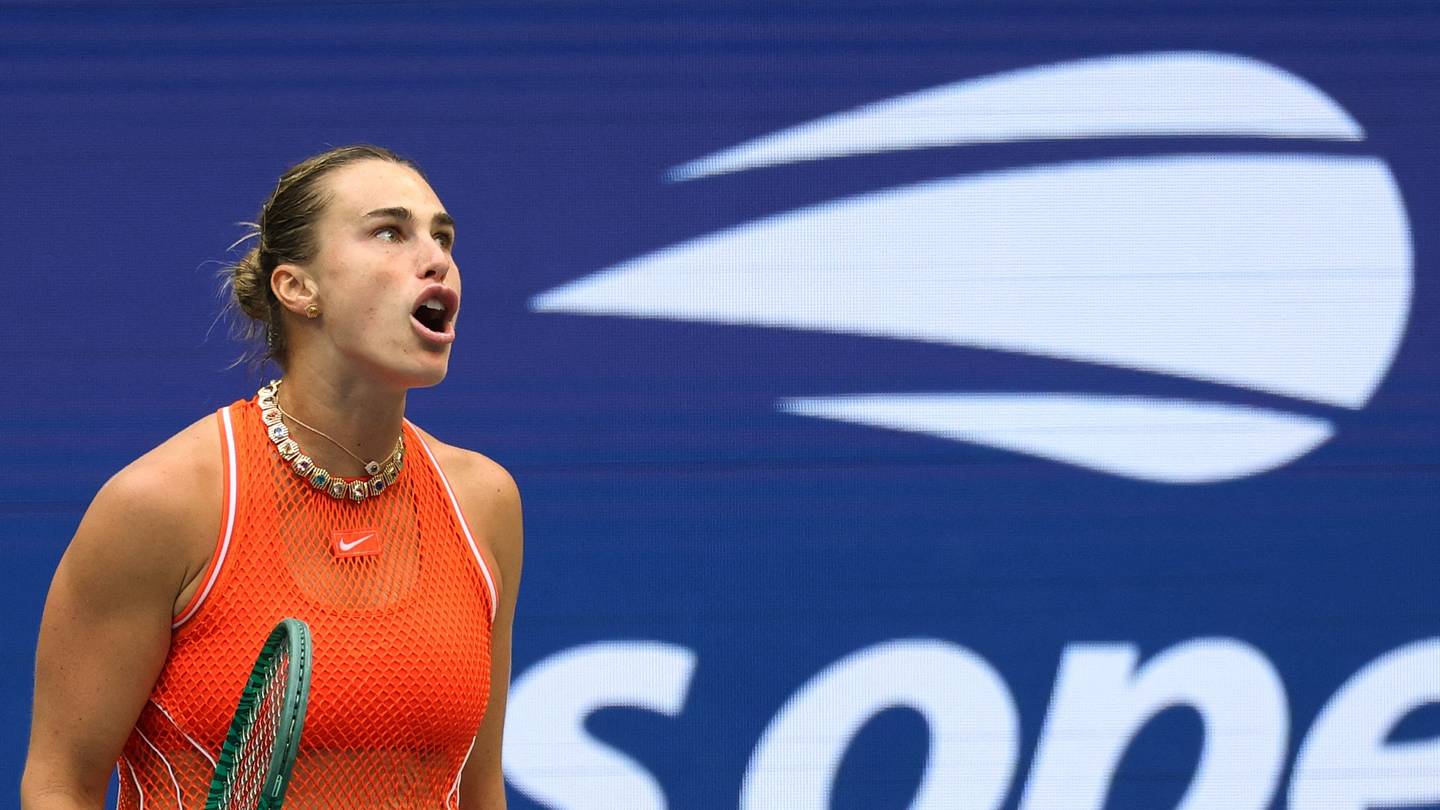
One moment. One outburst. One fine. And suddenly the entire tennis conversation snapped back to the pressure cooker that comes with center court at the US Open.
Aryna Sabalenka dominated the sport’s headlines this week after Bleacher Report highlighted the fallout from her outbursts during the US Open final, which resulted in a fine. Tennis has always sold intensity as part of the package. The stare-downs. The racket tension. The emotional edge. But once the final ball is hit, the sport still expects control inside the chaos. Sabalenka crossed that line in the eyes of tournament officials, and the response landed quickly.
That matters because Sabalenka is not some fringe player fighting for relevance. She operates in the center of the women’s game. Every reaction carries extra weight there. Every emotional spike becomes replay material. Every disciplinary move becomes a conversation about standards, pressure, and how stars are expected to carry themselves when the lights are brightest.
The timing amplified everything.
The US Open final is not just another stop on the calendar. It is the loudest stage in tennis outside of maybe Wimbledon Sunday. New York turns every gesture into theater. Players feel it. Fans feed it. Officials monitor it. The margins shrink fast. Sabalenka’s visible frustration during the match became the story after the match, and once fines enter the equation, the sport shifts from performance analysis to accountability.
That’s not theory. That’s leverage.
Elite players live in a strange lane. Tennis markets emotion because emotion sells the sport. Broadcasters want intensity. Crowds want visible fire. Social clips explode when players crack under pressure or roar through it. But there is still a hard line around conduct, especially in championship moments. Sabalenka found out exactly where that line sits.
And here’s the tricky part for the sport: fans usually love competitors who burn hot. Controlled fury can become part of a player’s identity. It creates rivalries. It creates repeat-watch moments. It gives tennis personality in an era where every major sport is chasing attention. But once frustration overshadows the actual match, the conversation changes. Instead of discussing shot-making, tactics, or nerve, everyone debates behavior.
That is where this week lived.
Bleacher Report’s coverage pushed the disciplinary angle into the center of the cycle, and the reaction around tennis reflected a familiar split. Some see fines as necessary guardrails to protect professionalism on the sport’s biggest stages. Others see emotional outbursts as inevitable when athletes operate under suffocating pressure with almost nowhere to hide. Tennis is uniquely brutal that way. No sideline substitutions. No teammates absorbing momentum swings. No helmet. No timeout huddle. Every crack is visible in real time.
Sabalenka’s situation also lands in a larger era for tennis, where player emotions are constantly under the microscope. Every camera angle catches reactions instantly. Every frustrated exchange gets clipped and circulated before a player even leaves the court. The modern sports cycle leaves almost no room for emotional moments to fade naturally. One rough sequence can define an entire week.
That changes how stars manage themselves.
The balancing act becomes brutal: stay fiery enough to compete at the highest level, but composed enough to avoid penalties, backlash, or distraction narratives. Tennis asks players to be entertainers, technicians, and emotional managers simultaneously. Easy to say. Hard to execute with a major title hanging in the balance.
And make no mistake, this story sticks because Sabalenka competes with force. Her identity inside the sport is tied to intensity and aggression. When that edge spills over, it becomes headline material fast. The fine itself may eventually fade into the background, but the discussion around composure at the top level does not disappear that easily.
Especially after a major final.
The bigger takeaway from this week is not simply that a player received a fine. Tennis has seen penalties before and will see them again. The real conversation is how modern stars navigate emotional volatility while carrying the expectations that come with elite status. Every slam deep run raises visibility. Every final raises scrutiny. Every reaction becomes part of a player’s public profile whether they want it to or not.
That’s the cost of relevance.
The sport also faces its own balancing challenge moving forward. Tennis wants personalities. It wants rivalries. It wants visible stakes. But it also protects tradition and conduct standards aggressively, especially during marquee events. Those forces naturally collide. This week became another example.
Sabalenka remains one of the central figures in women’s tennis regardless of the fine. That part has not changed. If anything, the attention around this story reinforces how closely the sport tracks her every move. Stars draw scrutiny because stars drive the conversation. Fair or unfair, that comes with the territory.
Looking Ahead: The next stretch of the tennis calendar now carries an extra layer around Sabalenka. Every match, every reaction, every pressure moment will get watched harder for a while. That is how this sport works after a major headline. Tennis moves fast, but it never ignores drama attached to championship stages. Fall tennis is here. The spotlight does not dim.
No noise. Just signal.