
 Soccer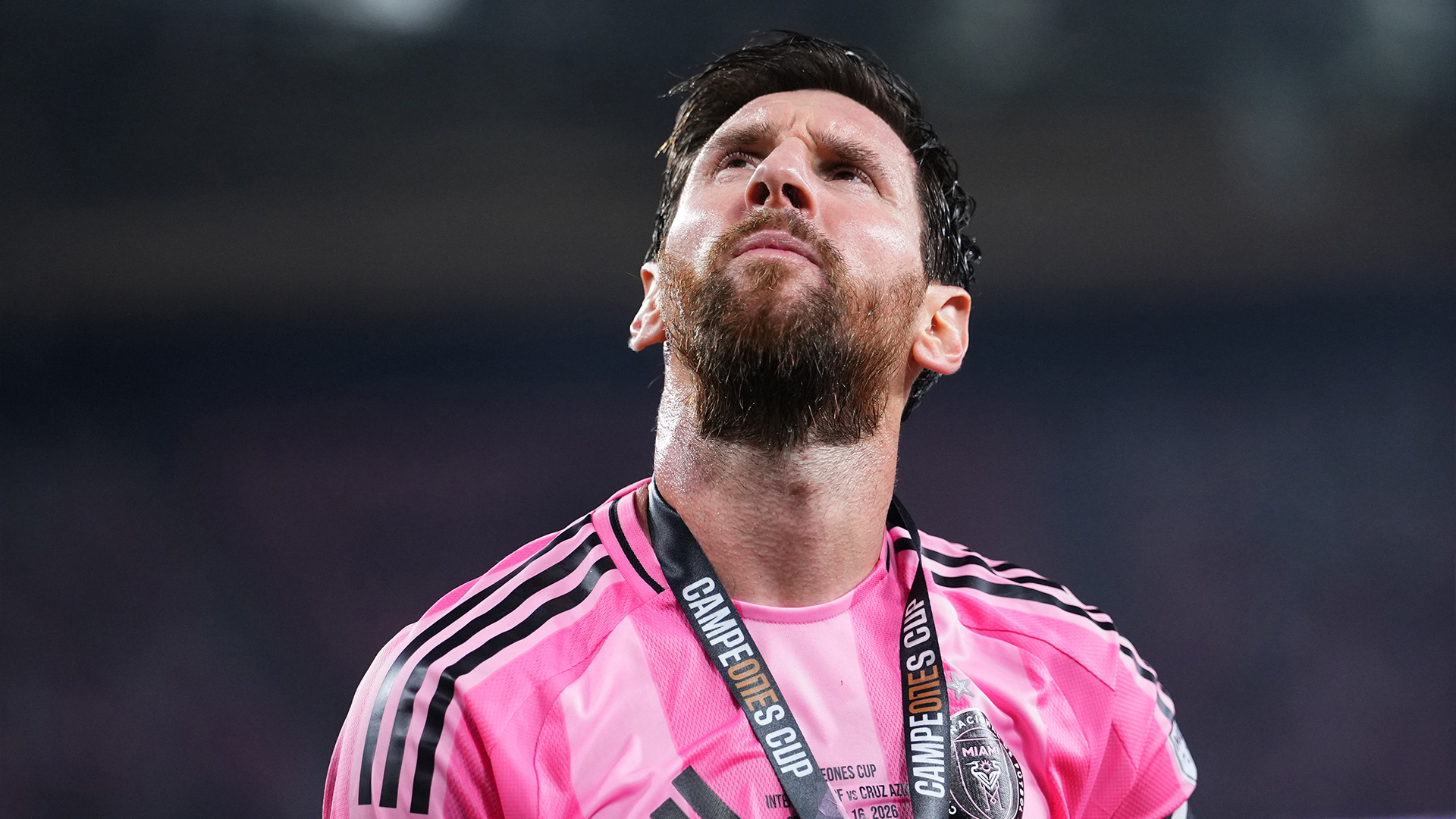
One finger point. One tense exchange. Suddenly the entire soccer world leaned in.
Lionel Messi’s animated postgame interaction with MLS commissioner Don Garber after Inter Miami’s Campeones Cup final against Cruz Azul became the defining image of the week. Fox Sports and Bleacher Report both captured the moment: Messi speaking intensely, pointing repeatedly toward Garber during a conversation that quickly lit up timelines across the sport. No official explanation landed immediately. No polished statement cooled it off. And that silence? It only made the moment louder.
This is what happens when the biggest player on the planet stops playing diplomat for a minute.
Messi has transformed MLS visibility, attendance, global reach, and relevance since arriving in Miami. Every camera follows him. Every tunnel walk matters. So when frustration shows publicly, people pay attention fast. Not because of gossip. Because stars at that level rarely choose visible confrontation unless something genuinely hit a nerve.
The clip itself carried the energy. Messi pointing. Garber listening. No smiles for the cameras. No easy laugh-it-off body language. Just tension sitting in plain sight after one of the league’s marquee crossover events.
That’s not theory. That’s leverage.
Fox Sports highlighted the repeated finger-pointing during the exchange, while Bleacher Report framed it as visibly heated. Beyond that, details remain limited. But the reaction around the sport filled in the rest of the atmosphere. Fans debated whether Messi was frustrated about officiating, scheduling, broader league issues, or something tied specifically to the final. Without confirmation, speculation stays speculation. Still, the larger takeaway does not require decoding every word from the conversation.
MLS suddenly had a very public reminder of the balance it now lives with.
The league spent years chasing legitimacy through infrastructure, expansion, academies, and visibility. Then Messi arrived and accelerated the timeline overnight. More eyeballs. More pressure. More scrutiny. The upside is massive. The downside is that every frustration involving the league’s biggest attraction becomes global content in seconds.
And there’s another layer here. Campeones Cup was designed as a showcase event connecting MLS and Liga MX competition. These games are supposed to signal growth, ambition, and international traction. Instead, the viral image coming out of the night centered on visible tension between the face of Inter Miami and the commissioner himself.
That changes the conversation.
For years, MLS controlled much of its own narrative cadence. This week showed how quickly that disappears when Messi enters the frame emotionally instead of commercially. The league can market around highlights. It cannot fully control moments like this once cameras roll.
Short clip. Big ripple.
The soccer world also understands something else: Messi is not a player who manufactures drama for entertainment value. That reputation matters. When his demeanor shifts publicly, observers assume substance behind it, even if the specifics remain unclear. That creates immediate pressure on MLS to project stability while also avoiding escalation.
Bleacher Report’s coverage amplified the visual intensity of the exchange because the footage itself did most of the storytelling. No dramatic narration required. Sports fans know what visible frustration looks like. They know what a commissioner getting confronted on the field after a final looks like. And they know those moments tend to linger longer than carefully crafted press conferences.
This is the modern sports ecosystem in one snapshot. A few seconds of body language can dominate a news cycle faster than the match itself.
There’s also competitive weight attached to all this. Inter Miami remains one of the league’s defining attractions, and every tournament involving Messi carries broader stakes for MLS credibility internationally. Games against Liga MX opposition are watched differently. They are measuring-stick events, whether executives admit it or not. So when the postgame story becomes conflict instead of celebration, it naturally raises questions about pressure points behind the scenes.
No one around the league wants unnecessary friction with the player who changed its economic ceiling.
That’s the reality.
The smart move now is clarity, calm, and avoiding performative outrage. Viral moments age badly when leagues overreact publicly. They age even worse when nobody addresses obvious tension at all. Somewhere in the middle sits the path MLS probably wants: acknowledge the moment, keep focus on competition, and avoid turning one heated exchange into a season-long distraction.
Because the soccer calendar does not slow down for discourse. Matches keep arriving. Stakes keep climbing. And Messi remains the center of gravity every time Inter Miami steps onto the field.
Looking Ahead: All eyes now follow the response, not just the clip itself. MLS will want the conversation redirected toward meaningful games and postseason pressure instead of commissioner drama. But cameras will stay glued to every Messi interaction for a while. That part is unavoidable now. September sharpens quickly. October gets louder.