
 College Basketball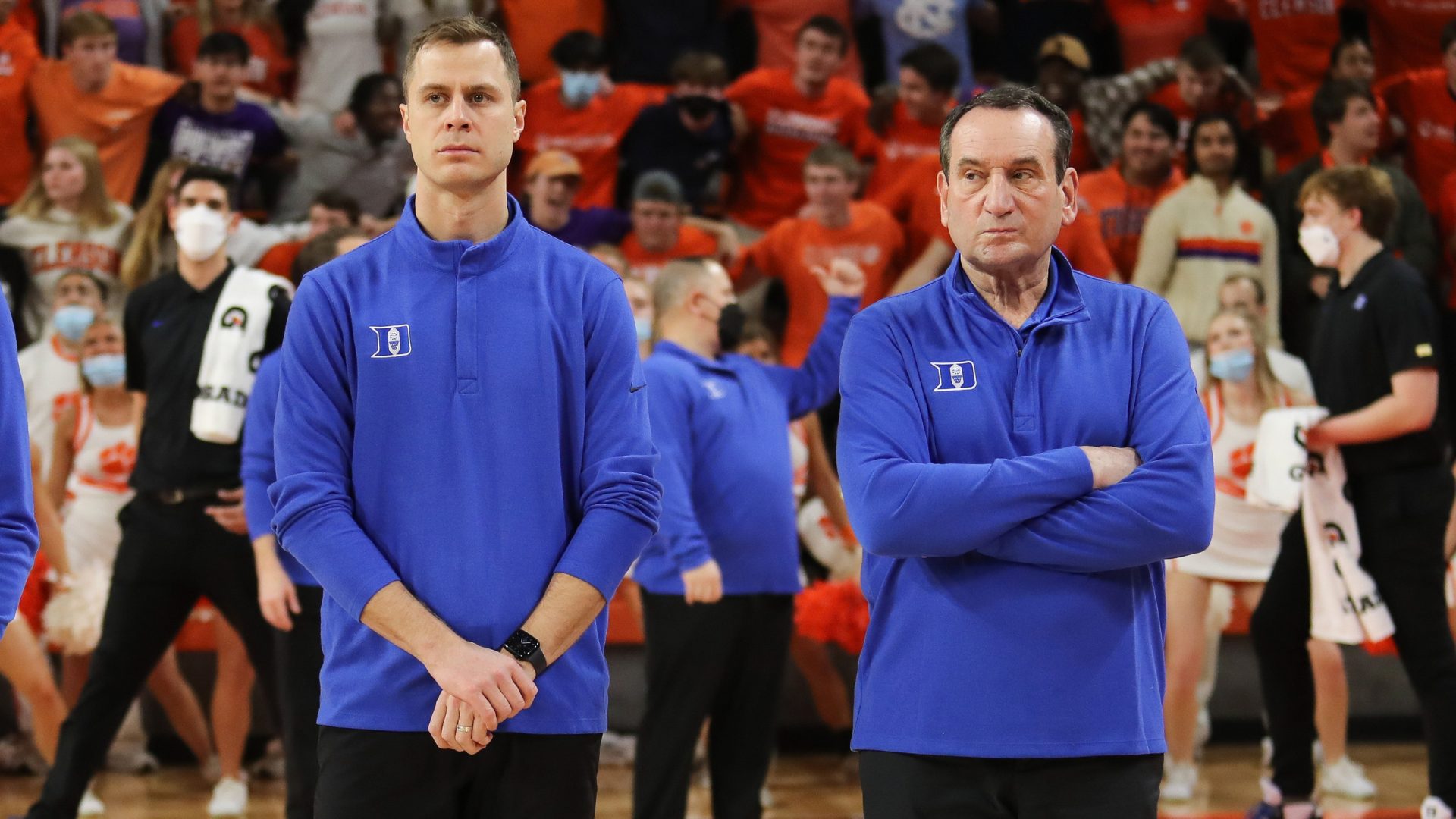
College basketball never really sleeps anymore. Coaches jump jobs overnight. Rosters flip in a weekend. Entire programs can feel temporary by February. Then Jon Scheyer stepped into the noise this week and pushed the opposite message. In an interview with CBS Sports and Jon Rothstein, Duke’s head coach made it clear he sees Durham as home for the long haul. Not a stepping stone. Not a short chapter. A career play.
That matters because Duke is still one of the few jobs in the sport that bends the entire conversation around it. The pressure did not disappear when Mike Krzyzewski walked away. If anything, it sharpened. Scheyer inherited the rarest assignment in college basketball: replace a living institution while everyone compares every possession to the previous era. Most coaches would spend years trying to escape that shadow. Scheyer leaned directly into it.
Short leash. Giant expectations. National microscope.
That chair does not offer grace periods.
Scheyer also spoke about lessons learned from Coach K, and the timing of that reflection says plenty. College basketball is in a full-speed identity crisis right now. Money moves faster. Player movement dominates headlines. Programs are trying to balance development, recruiting, retention, and survival all at once. Duke could have drifted into becoming another brand reacting to the chaos. Instead, Scheyer is signaling continuity. Discipline. Program culture over panic.
**That is not nostalgia. That is positioning.**
The smartest thing Duke can sell in this era is certainty. Elite recruits still want NBA pathways and big-stage games, but they also want structure. Families want stability. Donors want a clear vision. Players want to know who is steering the program two years from now, not just next month. Scheyer publicly planting his flag matters because stability has become a competitive advantage in a sport addicted to churn.
There is another layer here too. Coach K’s influence on Duke basketball has always been bigger than tactics. It was standards. Preparation. Pressure management. The expectation that every season carries Final Four weight before the first tip even happens. Scheyer acknowledging what he learned from Krzyzewski was not ceremonial. It was practical. Duke’s challenge is no longer preserving history. It is translating that standard into a completely different version of college athletics.
And make no mistake, the modern ACC landscape demands that evolution. Traditional powers no longer win simply because the logo is famous. Recruiting battles are more aggressive. Retention battles are harder. National contenders emerge faster than ever. The gap between blue bloods and everyone else keeps shrinking every season. That means Duke’s edge cannot just be banners hanging in the rafters. It has to be alignment from the top.
Scheyer’s comments landed because they cut against the transactional tone surrounding the sport. No dramatic coaching carousel whispers. No flirtation language. No vague corporate answers about future opportunities. Just a direct commitment to Duke. In 2026, that almost feels disruptive.
One-line promises are easy in college sports.
Building an actual era is harder.
That is why this week mattered more than a routine media hit. The interview framed where Duke believes it sits entering the next phase of the Scheyer era. The program does not want to be viewed as surviving after Coach K. It wants to be viewed as continuing. Different voice. Same standard. The balancing act is brutal, but Duke has never been interested in aiming lower just to ease the pressure.
**Programs chasing relevance move fast. Programs protecting legacy move carefully. Duke is trying to do both at once.**
There is also a recruiting ripple in all this. Stability still sells, especially at a place where expectations never soften. Players choosing Duke are choosing scrutiny, national television, and immediate stakes. Scheyer embracing the long-term view sends a message that the infrastructure around those players is not temporary. In a sport where uncertainty can kill momentum overnight, that consistency becomes part of the pitch.
CBS Sports framed the conversation around Scheyer’s relationship with Coach K and his commitment to the program, but the larger takeaway sits underneath it all: Duke believes its transition phase is over. The handoff is no longer the story. The stewardship is.
That does not guarantee banners. It does not guarantee dominance. College basketball has become far too volatile for easy forecasts. But programs still reveal themselves through tone, and Duke’s tone this week was unmistakable. Confident. Grounded. Uninterested in running from expectation.
Looking Ahead: Duke’s next chapter will not be judged by speeches or sentiment. It will be judged by meaningful March games, roster development, and whether Scheyer can turn continuity into championships in the modern era. The pressure remains enormous. That is the deal at Duke. February tightens. March doesn’t wait.