
 Tennis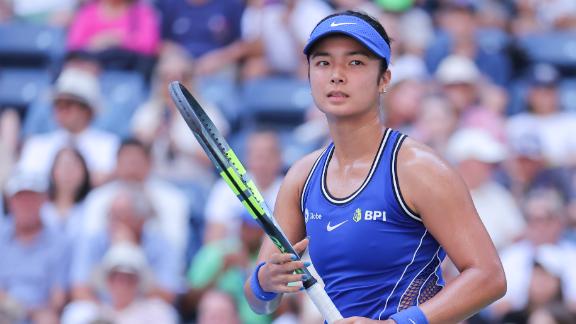
Tennis did not need a trophy ceremony this week to deliver a statement. It got one anyway. Just without the confetti. ESPN pushed the conversation into focus when Obiena spoke about Alex Eala and the sacrifices tied to chasing elite-level success. The quote hit because it landed clean: not everyone would make that sacrifice. In a sport that markets glamour, private jets, bright lights, and polished center courts, that line cut through the noise fast.
And it matters because tennis remains one of the loneliest climbs in sports. No weekly roster protection. No guaranteed minutes. No hiding in a system when momentum slips. The calendar keeps moving and the pressure travels with it. Eala’s name has increasingly lived inside that conversation because the commitment attached to elite tennis development is not theoretical anymore. It is visible. The ESPN feature did not try to dress it up as easy, balanced, or comfortable. Good. The sport does enough of that already.
This is the part casual fans usually miss. The sacrifice is not just physical training. It is repetition. Travel. Separation. Routine built around uncertainty. A player can spend months grinding for one breakthrough week, then wake up the next morning with rankings pressure already back at the door. That reality gives Obiena’s words extra weight. The point was not drama. The point was cost.
Shortcuts do not survive in modern tennis.
Neither does hesitation.
That is why Eala’s story continues to carry traction even in quieter tournament weeks. The conversation has moved beyond simple prospect talk. It now lives in the bigger debate about what high-performance development actually asks from athletes at a young age. ESPN’s coverage framed it through sacrifice, and that framing stuck because it reflects the sport honestly. Tennis rewards obsession before it rewards visibility.
There is also a bigger cultural angle underneath this. Fans love breakthrough moments, but they rarely see the years spent building toward them. One interview can suddenly reconnect the audience to that hidden side of the grind. That happened here. Obiena did not present sacrifice as romantic. He presented it as uncommon. Important distinction. Plenty of athletes want the spotlight. Fewer accept the isolation and repetition required to earn staying power once the spotlight arrives.
That is not motivational poster material. That is leverage.
The timing matters too. Tennis sits in a stretch of the season where physical wear and mental sharpness become impossible to separate. Energy drops. Margins tighten. Careers can feel one strong run away from acceleration or one rough stretch away from reset mode. In that environment, discipline becomes currency. Conversations like this resonate because they remind fans what sits underneath every ranking jump and every headline result.
There is another layer here that the sport quietly wrestles with all the time: expectation management. Once a player becomes associated with potential, every result starts getting measured against future projections instead of present growth. That pressure can distort the conversation around development. The ESPN piece cut against that tendency by focusing on process instead of hype. Smart move. Tennis development is rarely linear, and the athletes who survive longest usually build from resilience before they build from attention.
One-line headlines rarely explain elite sports accurately. This one came close.
Not everyone would make the sacrifice.
That sentence stayed alive all week because people inside and outside tennis immediately recognized the truth inside it. The sport keeps asking for more. More travel. More discipline. More emotional endurance. More patience when progress slows. Athletes either lean into that reality or eventually drift away from it. There is not much middle ground at the top level.
Looking Ahead: Expect the conversation around Alex Eala to keep growing as more eyes lock onto the long-term arc instead of short-term flashes. Tennis never stops testing belief, and stories centered on commitment tend to gain momentum when the season gets tougher. The spotlight gets brighter from here. So does the pressure. No noise. Just signal.