
 NASCAR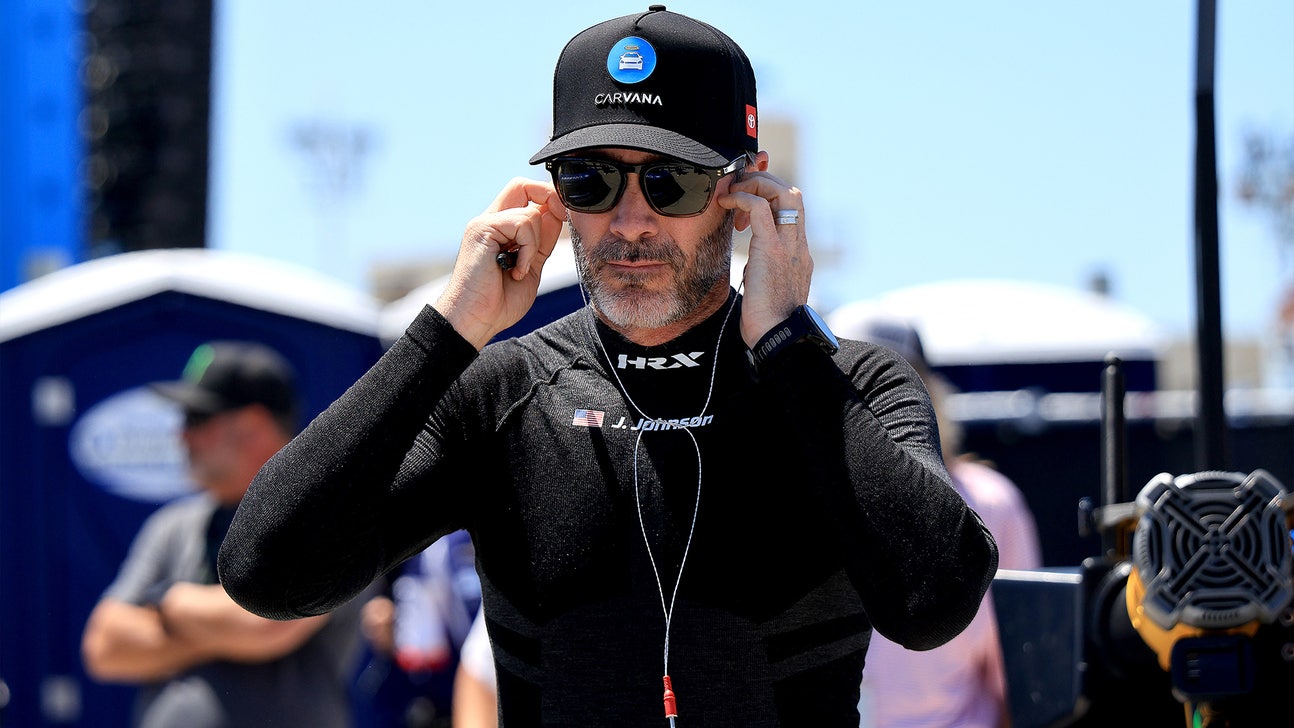
NASCAR has never struggled to find speed. Attention is the harder race. This week, Jimmie Johnson’s Legacy Motor Club grabbed both.
FOX Sports reported that Bryce Harper, Andy Roddick, and other investors joined Johnson’s NASCAR organization, adding a new layer of star power to a garage that already carries one of the sport’s biggest modern names. Johnson built his reputation on seven Cup Series championships and relentless precision behind the wheel. Now the play shifts from driver legacy to ownership leverage. Different race. Same competitive instinct.
This is bigger than a celebrity headline. Bigger than famous names wandering into motorsports for a photo op and a firesuit fitting. Harper is one of baseball’s marquee stars. Roddick remains one of the most recognizable American tennis names of his era. Their involvement signals something NASCAR has pushed toward for years: crossover relevance that stretches beyond race day diehards.
That matters.
Because modern motorsports runs on visibility as much as horsepower. Teams need sponsorship gravity. They need cultural pull. They need people who can widen the conversation beyond pit strategy and playoff points. Johnson’s group just widened the room.
FOX Sports framed the investment wave around “big-time winners,” and that tracks. Johnson is surrounding the organization with athletes who understand pressure, branding, expectation, and long-season endurance. Different sports. Same ecosystem. Elite competitors tend to recognize each other fast.
And there is timing baked into this move.
NASCAR’s current era lives in a constant battle for younger audiences, broader media attention, and mainstream crossover moments. Formula 1 spent years cashing those chips. NASCAR has been hunting its own lane back into that national spotlight. Celebrity ownership groups, athlete investors, and entertainment-adjacent partnerships are part of that push whether traditionalists love it or not.
Legacy Motor Club clearly understands the assignment.
The organization is no longer operating like a team content to stay inside racing’s old walls. Johnson’s move positions the club as a modern sports property, not just a collection of cars on a Sunday grid. There is a difference. A real one.
That’s not theory. That’s leverage.
The value of names like Harper and Roddick is not limited to capital. It is audience transfer. It is social reach. It is opening NASCAR conversations inside baseball circles, tennis circles, entertainment spaces, and sponsor meetings that may not have previously centered stock car racing. Every modern league fights for relevance against fragmented attention spans. NASCAR included.
Johnson knows that game now.
And there is another layer here worth watching. Johnson’s credibility inside the sport gives this entire move weight. This is not an outside celebrity parachuting into racing with vague enthusiasm and a branded jacket. Johnson is one of the defining drivers of his generation. His resume carries authority in every garage stall in America.
That credibility lowers skepticism instantly.
The move also reflects how ownership in sports keeps evolving. Athlete investors are no longer sticking strictly to their own leagues. Cross-sport investment has become part business strategy, part cultural positioning. Players and former stars want long-term equity plays tied to growing entertainment properties. NASCAR teams increasingly fit that description.
And the optics matter. A lot.
When nationally recognized athletes attach themselves to a racing organization, it sends a message that NASCAR remains commercially valuable in a crowded sports landscape. That attracts sponsors. Media interest follows. Casual fans start paying attention. The ripple effect can move quickly if the on-track side delivers alongside the headlines.
Because eventually, every flashy ownership story circles back to the same truth: race results still decide legitimacy.
Johnson’s organization now carries extra visibility and extra expectation. That pressure is real. Celebrity-backed teams do not get quieter coverage. Every strong finish gets amplified. Every stumble gets replayed louder. That is the tradeoff.
Still, this feels calculated rather than cosmetic.
Johnson has spent years evolving from champion driver into long-game builder. This investment group suggests Legacy Motor Club is thinking aggressively about future scale, future partnerships, and future relevance. NASCAR teams are no longer just race operations. They are entertainment brands competing in a national sports economy.
And in that economy, attention wins first.
Looking Ahead: The next question is simple. How aggressively does Legacy Motor Club use this momentum? New investors create buzz, but sustained relevance comes from performance, visibility, and consistency over time. NASCAR’s playoff pressure will keep tightening, and organizations looking to climb the sport’s competitive ladder cannot rely on headlines alone. Johnson’s team just added serious outside firepower. Now comes the harder part — turning attention into traction.
If you missed it, you’re behind.