
 NASCAR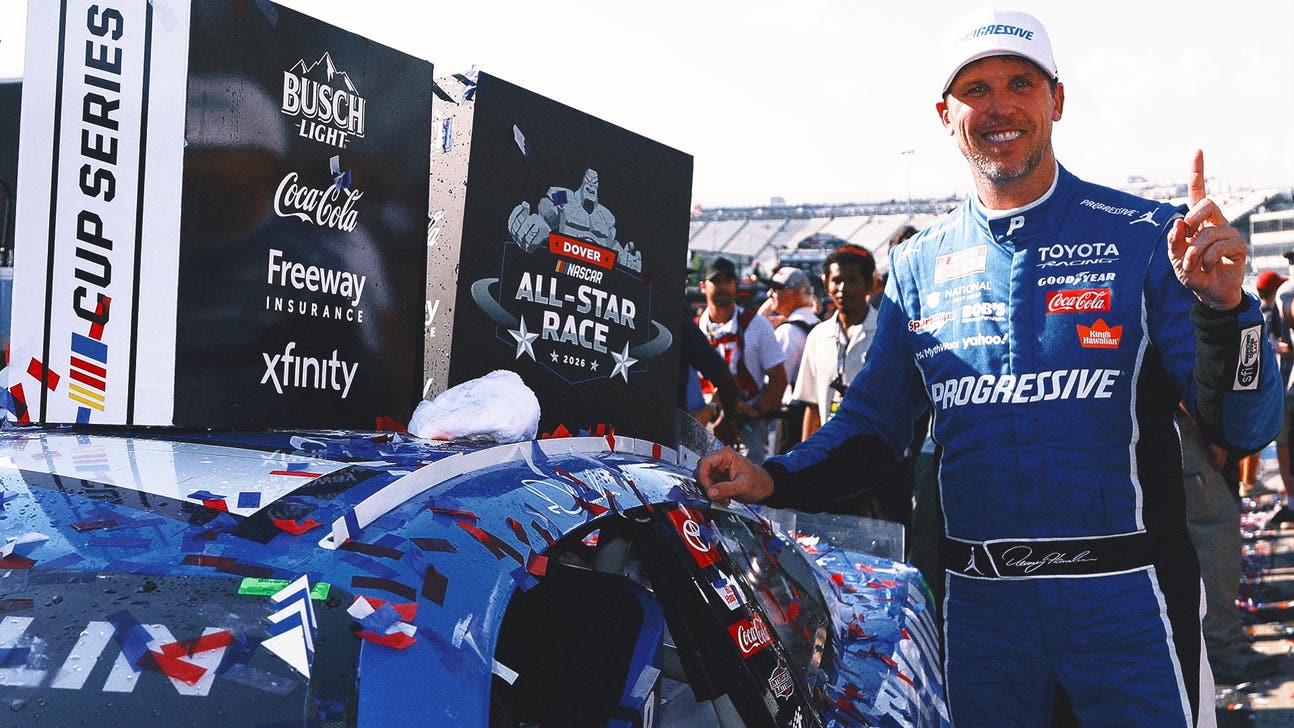
Denny Hamlin walked into the Monster Mile and walked out with the checkered flag.
Fox Sports confirmed what the field felt all afternoon at Dover: when it was time to decide the NASCAR All-Star Race, Hamlin had the answer. He beat Chase Briscoe to the line and took the win on one of the circuit’s most demanding tracks. No points on the table. Just pride, pace, and a reminder that closing still matters.
Dover doesn’t gift anything. It grinds. Concrete, banking, rhythm. You either stay disciplined for the long haul or the track exposes you. Hamlin stayed clean and stayed fast. That combination still wins races.
Short version? He handled the pressure.
Briscoe pushed him. That’s the headline inside the headline. The gap wasn’t about coasting to a trophy; it was about finishing the job with another contender in the mirror. Briscoe’s runner-up shows he’s not just filling space in these spotlight events. He’s in the fight when the intensity spikes. But second at Dover in an All-Star setting still means watching someone else celebrate.
That’s not theory. That’s leverage.
For Hamlin, this wasn’t just another trophy for the shelf. All-Star races are statements. They don’t pad the standings, but they do shift perception. They sharpen reputations. Winning in this format—against a field built for spectacle—adds weight. It says the speed is real and the execution is tighter than the rest. In a sport where momentum can swing on one restart, one pit call, one mistake, grabbing a headline win keeps the narrative tilted in your favor.
And Dover is no soft touch. The Monster Mile has a way of exposing imbalance. If your car drifts, you feel it. If your focus fades, it punishes you. Hamlin didn’t blink. He managed the rhythm of the race and sealed it when it counted most. That’s veteran poise meeting opportunity.
One race. One message.
Briscoe’s presence at the front adds intrigue as the season rolls forward. Running down a driver like Hamlin at a place like Dover isn’t accidental. It signals pace and composure under bright lights. Falling just short will sting, but it also establishes him as part of the conversation in high-stakes environments. If this becomes a pattern, not a cameo, that’s when the garage starts adjusting.
The All-Star Race also carries its own internal pressure. There are no long-term points calculations to hide behind. It’s about winning now, on the day, in front of everyone. That clarity tends to reveal who can manage urgency. Hamlin did. He absorbed whatever the race threw at him and controlled the finish. Clean execution beats chaos every time.
This is where experience flexes. Dover demands patience, tire feel, and a willingness to stay measured while others overdrive. Hamlin’s win reinforces that blueprint. Let the race breathe. Keep the car underneath you. Strike when it matters. It’s not flashy. It’s effective.
The ripple effect? Expect the spotlight to track Hamlin a little closer in the coming weeks. Wins—even exhibition-style ones—have a way of sharpening confidence. Teams feed off that. Pit crews tighten up. Strategy feels bolder. Rivals take note. The garage never forgets who just beat them straight up.
For Briscoe, this becomes fuel. Being that close at Dover proves the baseline is strong. The next step is turning late-race presence into late-race control. There’s a difference between chasing and dictating. The margin is thin. The lesson is clear.
Momentum is fragile in NASCAR. One week you’re trending. The next you’re scrambling. Hamlin’s All-Star triumph at the Monster Mile plants a flag. It doesn’t rewrite the season by itself, but it reinforces who still knows how to close under pressure. And closing is currency.
Looking Ahead: The calendar doesn’t slow down. The field rolls on, carrying whatever confidence—or frustration—Dover handed them. Hamlin leaves with hardware and heat. Briscoe leaves with proof he belongs at the front. The rest of the grid? They just got a reminder. Execution wins. Every time.