
 NASCAR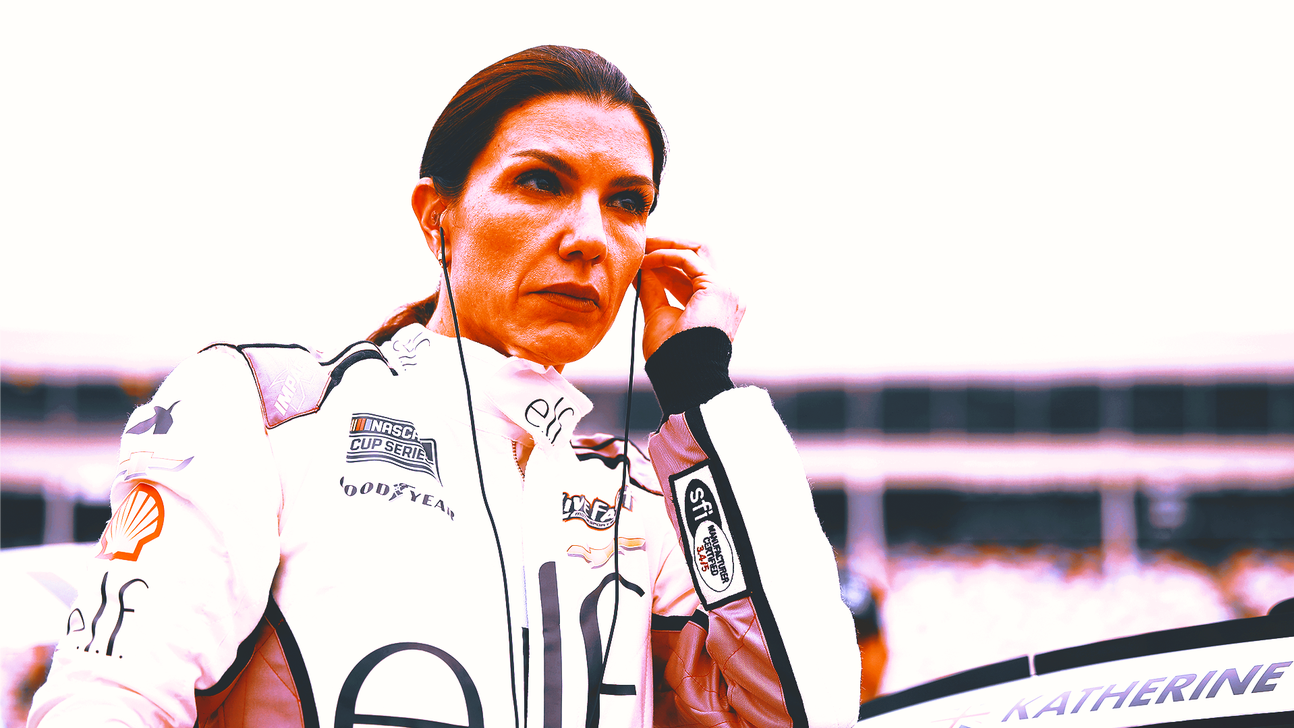
The Double is motorsport’s marathon flex. Two crown jewels. Two states. One day. And this year, Katherine Legge stepped into that fire. The Indy 500 didn’t give her a storybook first chapter. It gave her a wreck.
Fox Sports tracked Legge’s historic attempt to run both the Indianapolis 500 and NASCAR’s Coca-Cola 600, a feat that demands precision, stamina, and a little bit of luck. The luck ran thin at Indy. Her 500 ended early in a crash, cutting short the open-wheel portion of a day designed to test the limits. No soft landing. No gradual fade. Just the sudden stop that makes this challenge so unforgiving.
That’s the risk baked into the Double. You’re threading needles at 230 mph in the morning, then expected to strap into a stock car and grind 600 miles by night. It’s not just physical. It’s mental recalibration on command. Different cars. Different racing styles. Different rhythm. Legge signed up for all of it.
And that matters.
The Indy 500 wreck changes the tone, but it doesn’t erase the significance. Simply attempting the Double in 2026 keeps NASCAR tied to one of the most ambitious traditions in American motorsports. The Coca-Cola 600 isn’t just another points race. It’s NASCAR’s longest night, a race that demands endurance and punishes even the smallest lapse. Pairing it with Indy amplifies everything.
Fox Sports’ double tracker spotlighted the scope of Legge’s effort—one of the few drivers willing to cross disciplines on the sport’s biggest stage. The Indy setback is the headline, but the larger story is the ambition. Drivers don’t chase the Double for comfort. They chase it for legacy. For the thin air where versatility lives.
That’s not theory. That’s leverage.
When a veteran racer lines up for both events, it pushes NASCAR into a broader spotlight. It invites open-wheel fans to peek into Charlotte under the lights. It forces conversations about adaptability and crossover talent. And it reminds everyone how punishing 1,100 miles in a single day really is.
The immediate question now is recovery and readiness. Details beyond the early Indy exit are still emerging, and the focus shifts to whether Legge can reset for the Coca-Cola 600 grind. The physical toll of a crash isn’t just about the sheet metal. It’s about turnaround time. Hydration. Focus. Clearing the mental fog that can linger after impact. The 600 doesn’t ease you in. It drags you through four stages of attrition and dares you to fade.
One wreck. No margin.
The Double doesn’t promise redemption. It demands resilience.
For NASCAR, the stakes sit in perception as much as points. The Coca-Cola 600 is already a pillar—longest race on the calendar, prime-time spotlight, Memorial Day weekend gravity. Add the Double narrative, and it becomes a measuring stick for toughness across disciplines. If Legge takes the green in Charlotte after the Indy setback, it’s a statement about durability. If the day’s damage proves too steep, that’s part of the brutal math that makes the attempt so compelling.
Either way, this week belonged to the idea of the Double. The early Indy crash sharpened the edges. It’s a reminder that motorsports rarely reward bold plans with smooth execution. Sometimes the headline is the hit itself. Sometimes it’s the comeback.
Looking Ahead: The Coca-Cola 600 looms as the final act of this high-wire day. The focus turns to Charlotte, where 600 miles wait under the lights and the sport’s longest night tests whoever answers the bell. February built anticipation. May cashes it in.