
 MLB
MLB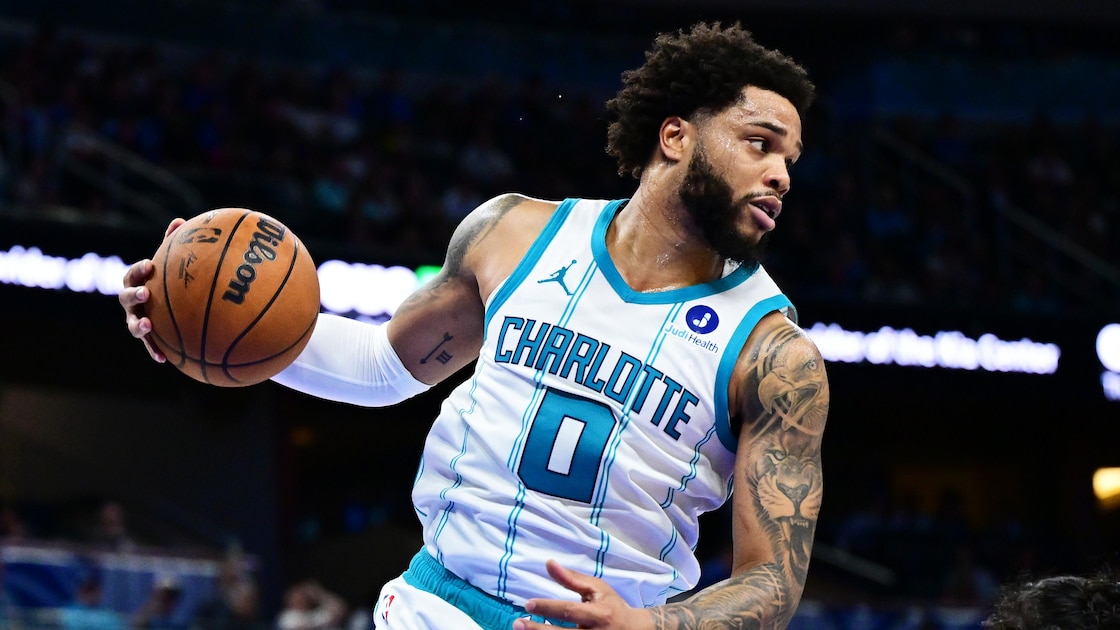
The offseason doesn’t ease in. It detonates.
Bleacher Report detailed a seismic move this week: the Phoenix Suns have reportedly acquired Miles Bridges from the Charlotte Hornets, a deal that lands one of Charlotte’s most prolific scorers in the desert. The full return was revealed in the report, marking another aggressive swing by Phoenix and a clear signal that Charlotte’s roster reset is real.
Start with the headline energy. Bridges is production. He’s been one of the Hornets’ primary offensive engines, a forward who can pressure the rim, stretch the floor, and carry scoring bursts when possessions stall. Moving that kind of output is not a tweak. It’s a pivot. Charlotte had already made waves with a LaMelo Ball deal prior to this, and flipping Bridges right after cements the direction: this is a franchise reshaping its identity, not rearranging deck chairs.
For Phoenix, this is about doubling down. The Suns aren’t collecting names. They’re stacking firepower. Adding Bridges gives them another dynamic piece who can run, finish, and create mismatches in space. It’s a bet on versatility and scoring elasticity—more ways to win the math battle every night. In a Western Conference that punishes predictability, that matters.
This is pressure basketball.
And Phoenix just volunteered for more of it.
The report outlines the full return going back to Charlotte, underscoring that this wasn’t a salary shuffle or a marginal swap. It was a transaction with weight. For the Hornets, the calculus is timeline and flexibility. Moving a high-usage scorer signals belief that the next competitive core will look different from the last. That’s not subtle. That’s structural.
**Charlotte isn’t chasing the eighth seed. They’re chasing clarity.**
The Bridges move also lands in the broader context of player movement volatility. When a team parts with one of its most productive players, the message hits the locker room and the league simultaneously. To veterans, it says the organization is recalibrating. To young players, it says opportunity is coming—along with responsibility. Development minutes are about to mean something.
Phoenix, meanwhile, is operating from the opposite mindset. Contention windows don’t stay open out of courtesy. They demand urgency. By bringing in Bridges, the Suns are choosing acceleration over patience. The Western Conference isn’t forgiving, and talent density wins series. The move suggests Phoenix believes another versatile scorer can tilt playoff matchups that stalled them before.
One move. Two timelines.
There’s also the stylistic layer. Bridges thrives in tempo. He runs lanes hard, finishes above the rim, and forces defenses to collapse. In a playoff environment where half-court execution tightens, having a forward who can generate offense without elaborate setup is currency. Phoenix is buying that currency now rather than hoping to draft or develop it later.
On the Charlotte side, the sequencing matters. The LaMelo Ball deal came first. Now Bridges follows. That’s not random. That’s coordinated. It suggests front-office conviction that incremental tweaks weren’t enough. The Hornets appear committed to reshaping the roster foundation rather than patching it. Fans may bristle in the short term—scoring leaving the building tends to sting—but rebuilds don’t whisper. They announce themselves.
**This is what commitment to a direction looks like.**
Bleacher Report’s detailing of the full return frames this as a balanced exchange on paper, but paper doesn’t play games. The real evaluation will unfold over seasons. Did Phoenix maximize its competitive window? Did Charlotte convert present production into future leverage? That’s the wager on both sides.
And let’s be clear: moves like this ripple. Rotation hierarchies shift. Usage rates bend. Defensive assignments get reimagined. A forward of Bridges’ caliber doesn’t slide quietly into a lineup; he alters its geometry. Coaches adjust schemes. Opponents adjust scouting reports. The chessboard resets.
There’s also expectation management. When a contender adds a name with scoring pedigree, patience evaporates. Every slump becomes a segment. Every hot streak fuels belief. Phoenix didn’t just add talent; it added scrutiny. That’s the trade-off when you push chips to the center.
Charlotte’s scrutiny will look different. It will be about progress markers. Development arcs. Asset conversion. The win-loss column may not tell the full story in year one of a pivot, but trajectory will. The Hornets have chosen long-term oxygen over short-term applause.
Looking Ahead: Free agency noise won’t slow, and trade chatter rarely sleeps this time of year. The Suns now face the integration test—talent accumulation is step one; cohesion is step two. Charlotte begins the harder journey of patience and projection. The offseason clock is ticking, and both franchises just made sure they’re part of the headline cycle.
The league moves. We call it.