
 Boxing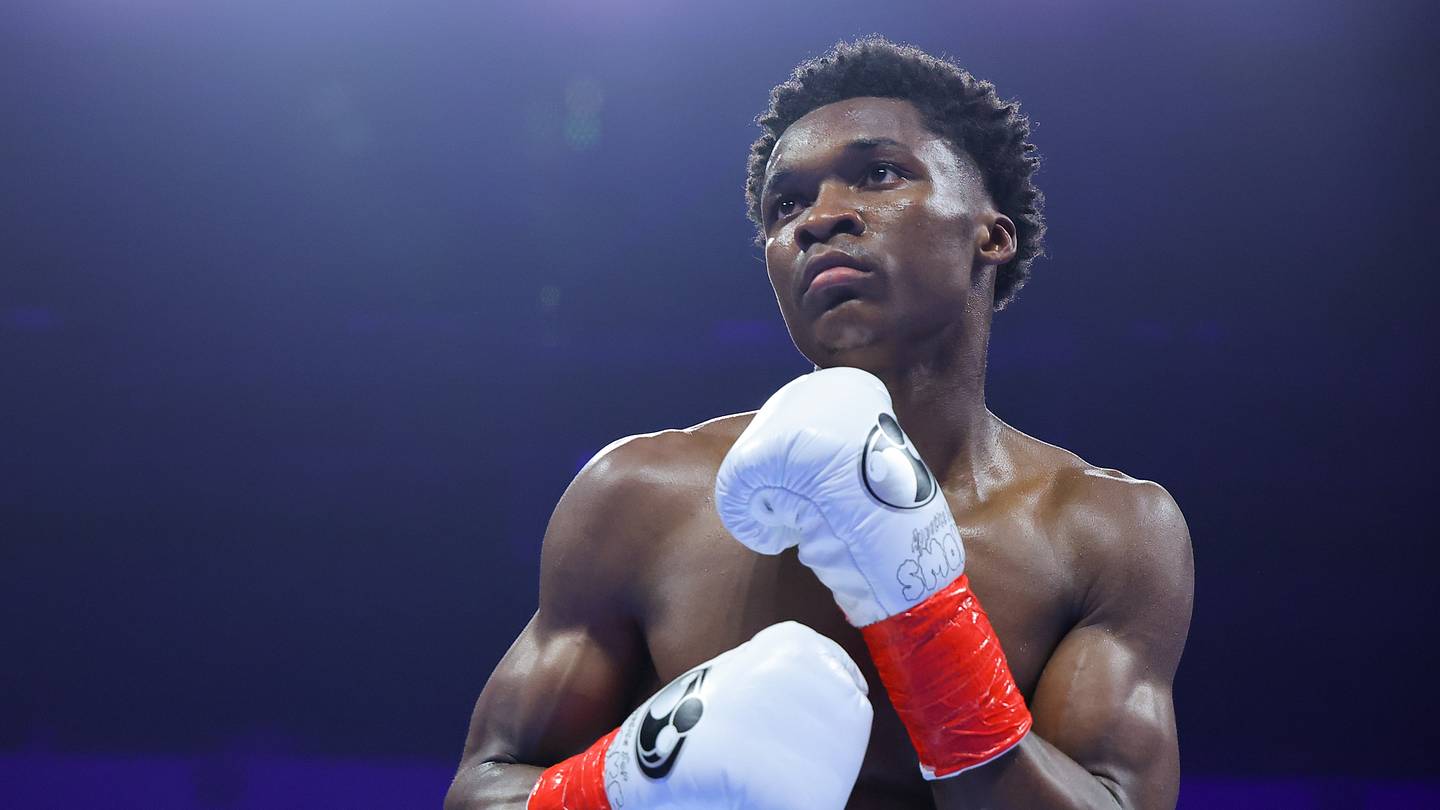
Boxing loves a clean rise. Undefeated records. Viral clips. Highlight-reel finishes wrapped in neat timelines. Then the sport throws a little chaos into the script and asks the real question: what happens when momentum gets punched in the mouth? Abdullah Mason gave a pretty convincing answer this week.
Sports Illustrated covered Mason’s latest win over Albert Bell, a fight that quickly turned into more than a routine title defense. Mason had to rally. Had to reset. Had to show another layer. That matters in this sport because talent gets attention, but recovery earns respect. Fighters can dominate for years against the right style and the right pace. The elite names survive moments where the night suddenly tilts sideways.
Mason storming back to secure his first title defense was the headline. The subtext carried even more weight. Young contenders often look untouchable right up until adversity arrives. Bell forced Mason to answer difficult questions in real time, and the response came with urgency instead of hesitation. No drift. No panic. Just adjustments and pressure.
That changes the temperature around a fighter.
A comeback win lands differently than a smooth decision or a quick stoppage. It creates belief inside the locker room and outside of it. Opponents now know Mason can fight through turbulence instead of simply controlling ideal conditions. Fans saw composure under stress. Promoters saw marketability expand in real time. Lightweight divisions move fast when a fighter starts checking every box at once.
And make no mistake, this was leverage.
A successful first title defense is not just another number on a résumé. It is the moment where prospects start separating themselves from temporary hype. Defending a belt carries expectation. Every opponent studies weaknesses harder. Every round gets judged with a little more scrutiny. Mason walked into that pressure and walked out with momentum still attached.
Bell deserves credit for making the fight meaningful. Too many rising stars collect victories that feel procedural, nights designed more for preservation than competition. This one forced engagement. It demanded reactions. Mason earned his way through it instead of coasting around it. Boxing notices that kind of thing immediately.
Short nights create excitement.
Hard nights create contenders.
The timing matters too. Boxing continues searching for young names capable of crossing from respected prospects into must-watch attractions. Mason’s ability to rebound inside a title defense gives the division another storyline with real traction. Fans do not just want polished skills anymore. They want volatility. They want to see whether a fighter can regain control after losing it for a moment. Mason delivered exactly that kind of tension.
There is also something important about the pacing of his development. A fighter can pile up wins and still leave questions unanswered. This week felt different because the performance added texture. Mason did not merely defend a title. He expanded the conversation around what kind of champion he could become if the competition keeps rising.
That is how future main-event fighters are built. Not through careful insulation forever, but through nights where adjustments matter more than flash. The lightweight scene does not hand out patience. One shaky outing can cool momentum instantly. One resilient performance can launch a fighter into another tier of discussion. Mason leaned into the second category.
Looking Ahead: The next move around Mason now carries more intrigue than before this defense. Another routine matchup will not satisfy the growing attention around him. The division is going to test him again, probably sooner rather than later, because that is what happens when a young champion proves he can survive uncomfortable rounds and still close the show. July already brought heat. The rest of the summer just got louder.