
 F1
F1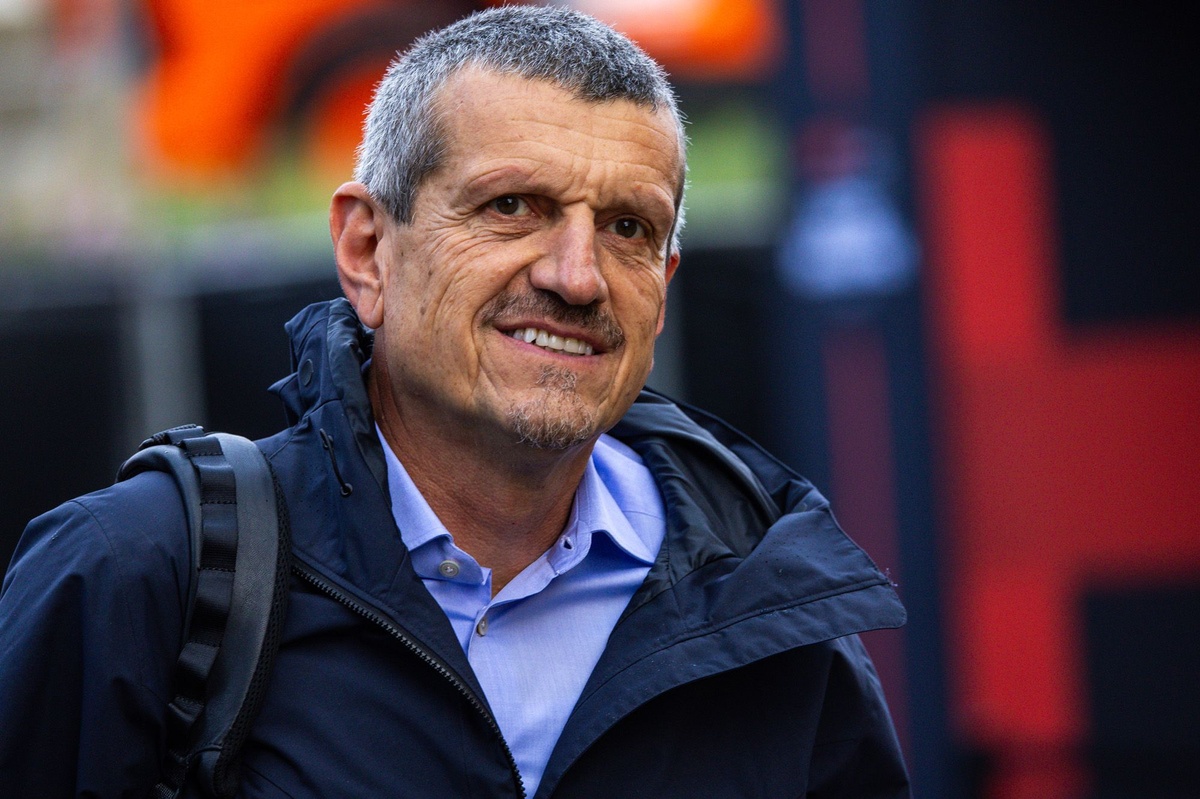
Formula 1 hates dead air. Silverstone delivered plenty of noise, then ended with a wet blanket. The British Grand Prix safety car finish still hung over the paddock this week, and the backlash came fast. Fans wanted a sprint to the line. Teams wanted consistency. Former Haas boss Guenther Steiner wanted something bigger: structural change inside race control. Motorsport.com detailed Steiner’s call for the FIA to move toward permanent, full-time stewards while increasing the use of artificial intelligence to help officiating decisions. That conversation is no longer fringe. It is parked right in the middle of the sport.
The frustration is easy to understand. Formula 1 sells tension better than almost any sport on earth. Every lap is theater. Every restart feels loaded. Then Silverstone closed under safety car conditions after a race packed with energy, strategy swings, and crowd momentum. It left a strange taste. Not outrage exactly. More like the feeling of a heavyweight fight ending on a technicality while both corners were still yelling for one more round. Steiner’s point landed because it attacked the larger issue: F1 keeps asking part-time officials to manage billion-dollar pressure in real time while the margins get thinner every season.
That is not a small conversation anymore.
Steiner’s proposal centered on two pressure points. First, the FIA relying on rotating stewards has created recurring debates about consistency from race to race. Second, technology could reduce reaction delays and improve decision-making during incidents, especially in moments where safety calls collide with competitive spectacle. Motorsport.com noted his push for stronger AI integration after the Silverstone controversy, and while the exact mechanics remain unclear, the message was direct: modern F1 moves too fast for outdated systems.
That’s not theory. That’s leverage.
The AI angle will split the grid and probably the fanbase too. Purists hear “automation” and immediately picture the sport losing its human edge. But nobody is asking a computer to wave the checkered flag on instinct alone. The bigger idea is support. Pattern recognition. Faster analysis. Cleaner communication between race control and the stewards’ room. Formula 1 already lives on data. Teams process endless streams every lap, every corner, every tire phase. Race control staying comparatively analog has become harder to defend, especially after high-profile endings trigger backlash that lasts longer than the podium celebrations.
There is another layer here, and it matters. Credibility. The FIA has spent years trying to quiet arguments around consistency, penalties, and race management. Some weekends pass cleanly. Others explode into multi-day debates about procedure and interpretation. Silverstone reopened all of it in one shot. Steiner calling for permanent officials cuts directly into that instability. Full-time stewards would mean deeper preparation, clearer standards, and less reliance on rotating judgment calls that can vary depending on the circuit and personnel involved. In a championship environment where tenths of a second decide front rows and strategy windows close instantly, inconsistency becomes gasoline.
And F1 already has enough sparks.
The timing is important too. The sport continues expanding globally, drawing larger audiences, bigger sponsorships, and heavier scrutiny. Every controversial finish now detonates across social media before the cooldown lap even ends. The FIA does not just govern races anymore. It manages perception at internet speed. That changes the stakes. A safety decision that once lived quietly inside paddock debate now becomes worldwide discourse in minutes. Steiner’s comments felt aimed at that reality as much as the Silverstone finish itself. Faster systems. Sharper oversight. Less ambiguity. The old ways are under pressure because the sport around them has accelerated.
None of this guarantees immediate reform. Formula 1 governance rarely moves overnight, and AI integration inside officiating would raise obvious questions about transparency, accountability, and competitive trust. Teams will want clarity on how decisions are reached. Drivers will want confidence that racing instincts are not being filtered through black-box processes. Fans will want proof that technology improves drama instead of sterilizing it. Those debates are coming. Silverstone simply shoved them to the front of the line sooner than expected.
Looking Ahead: Expect the stewarding conversation to stay hot heading into the next race weekend. The FIA now faces pressure from multiple directions — competitive integrity, fan reaction, and the broader image of the sport. Silverstone may end up remembered less for the winner and more for the questions it forced into the open. F1 moves fast. The governance side may have to catch up even faster. No noise. Just signal.