
 MLB
MLB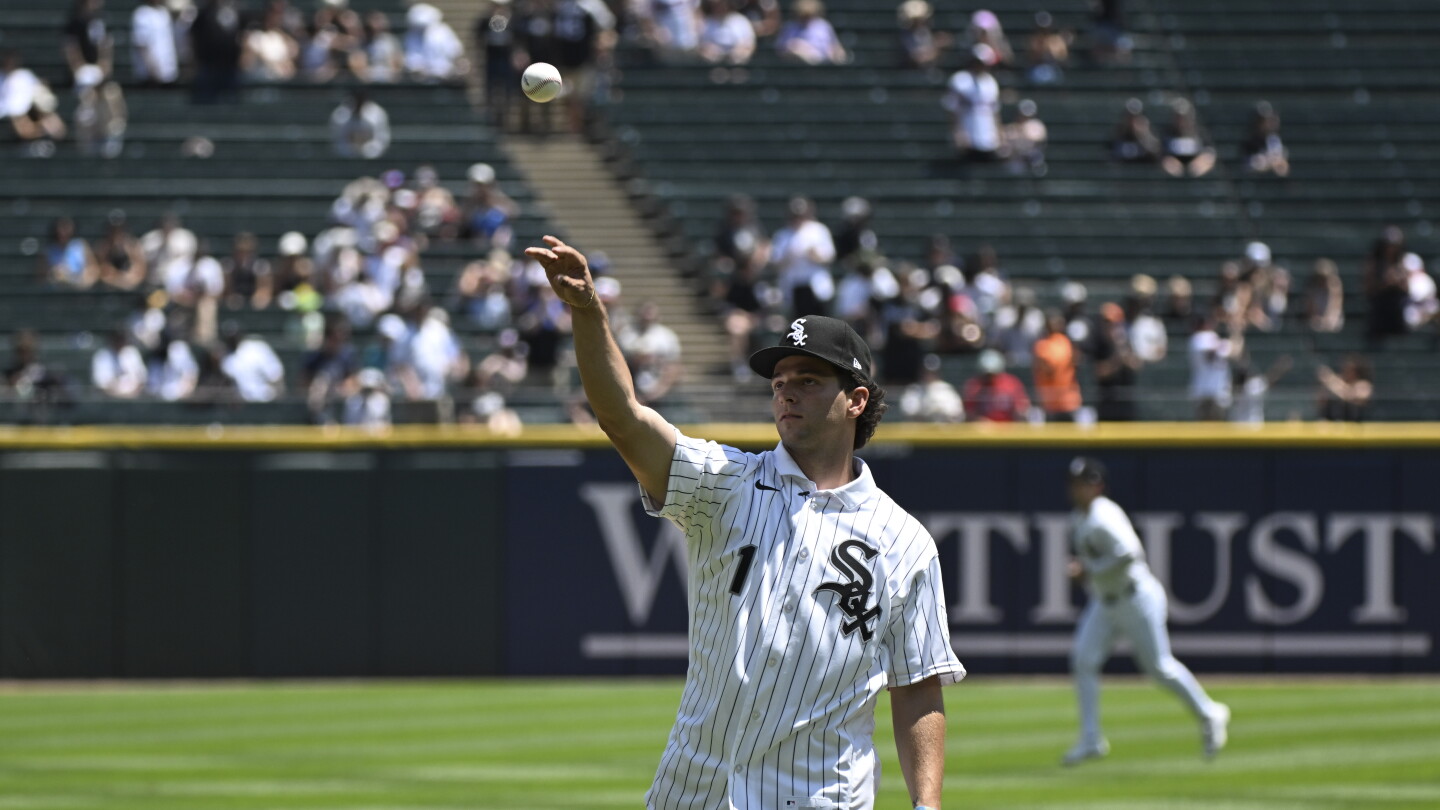
The biggest MLB headline of the week did not come from a pennant race, a dugout eruption, or a blockbuster trade rumor. It came from a signing bonus. Roch Cholowsky, the No. 1 overall pick, reportedly agreed to a $10.35 million bonus with the White Sox, a number NBC Sports noted as the largest signing bonus tied to a draft pick. Bleacher Report framed it exactly how the league sees it: historic money, historic expectations, and a franchise planting its flag on one player.
That number matters beyond the headline. Teams do not hand out record bonuses because they feel good about a projection sheet. They do it because they believe they have a cornerstone. Chicago made the loudest possible statement about where the organization thinks Cholowsky fits in the next era of White Sox baseball. The club did not hedge. It did not slow-play negotiations. It moved aggressively and put a giant financial stamp on the future.
One player. One number. One very public bet.
The timing lands hard because the White Sox have spent recent seasons trying to stabilize direction and identity. Drafting first overall already puts a spotlight on an organization. Following it with a reported record-setting deal turns the spotlight into stadium lights. Every prospect carries pressure. A No. 1 pick with a historic bonus walks into pro baseball carrying an entire city’s timeline in his equipment bag.
That is not theory. That is leverage.
NBC Sports reported the deal at $10.35 million, while Bleacher Report emphasized the bonus as a record-breaker before Cholowsky even plays a professional inning. The reaction around baseball was immediate because front offices track these numbers closely. Draft bonuses are not just accounting figures. They reveal organizational conviction. Chicago could have treated this like a routine draft process. Instead, the White Sox made the deal feel definitive.
And the league notices when a franchise moves with certainty.
There is also the broader MLB angle here. Draft conversations usually drift into future projections and long development timelines, but this story cut through because the economics changed the tone. Fans understand records. Fans understand commitment. A record bonus says the White Sox believe Cholowsky is worth building around, worth marketing, worth patience, and worth pressure. That creates excitement fast, but it also shortens the runway for public expectations. The minute a number like this hits the timeline, every future update gets magnified.
That is the tradeoff.
The White Sox now own one of the defining stories of the baseball week without needing a game to create it. In a sport where relevance can swing wildly by market and momentum, this kind of move resets attention. Chicago moved from draft winner chatter into long-view franchise conversation. The organization effectively told its fans that rebuilding language only matters if elite talent eventually arrives. Cholowsky is now attached to that mission in permanent ink.
There is another layer to this worth watching. Record bonuses often become comparison points across future drafts and negotiations. Agents track them. Executives track them. Players track them. Once a ceiling gets pushed, the next elite prospect enters negotiations with a fresh benchmark. The White Sox did not just complete a deal. They potentially shifted the temperature for future top selections across baseball.
That is ripple-effect business.
The challenge now becomes development, patience, and narrative control. Baseball prospects rarely move in a straight line. Some explode immediately. Some stall. Some need years before the talent fully arrives. But when a player enters the league attached to a historic number, the conversation speeds up before the career even begins. Every at-bat eventually gets weighed against the bonus. Every ranking update gets debated harder. Every promotion becomes a headline.
That pressure is real. So is the opportunity.
For the White Sox, this week was about declaring intent. The organization identified its guy, paid like it believed in him completely, and accepted the spotlight that comes with it. Around MLB, few stories carried more long-term significance than that. Not because a championship changed hands. Because one franchise decided the future was worth paying for immediately.
Looking Ahead: The next phase is simple but massive. Development starts now, expectations rise instantly, and the baseball world watches how quickly Cholowsky becomes the face of Chicago’s next era. The league moves fast. Prospect clocks move faster.