
 MLB
MLB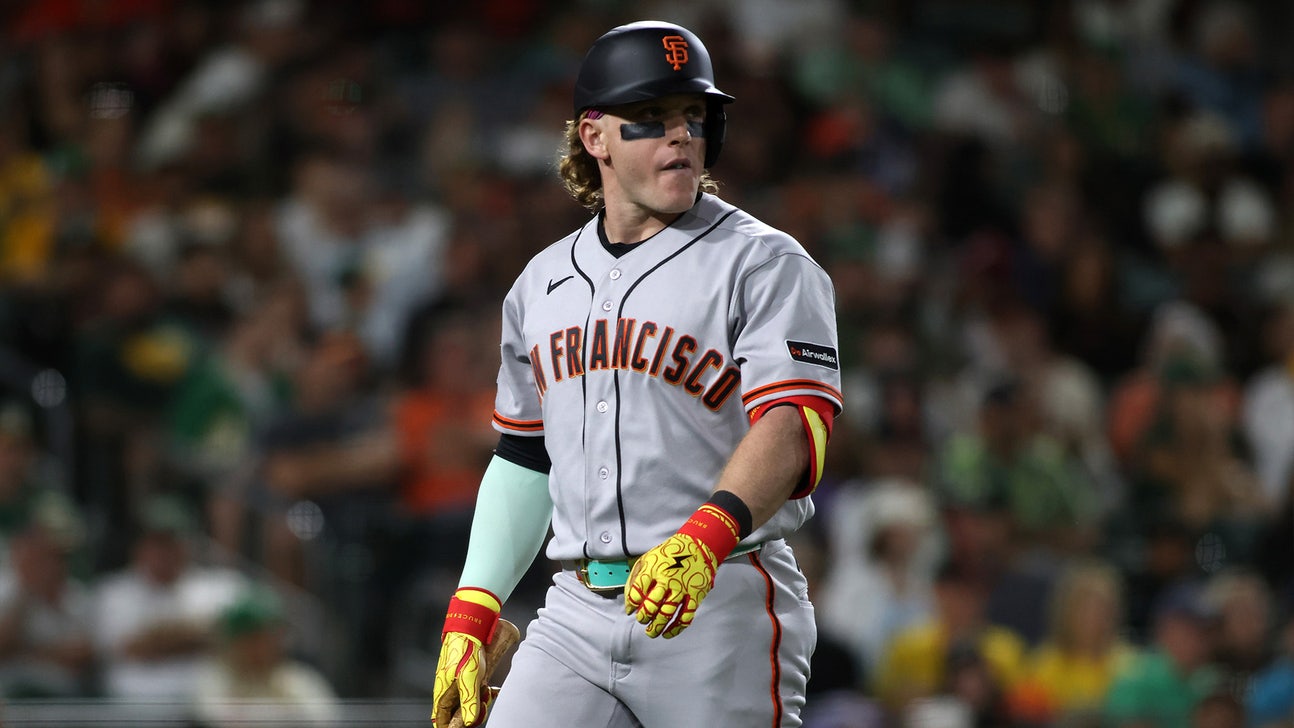
The Giants did not wait around for the noise to settle. They moved fast, hit pause on payments to Harrison Bader, and turned what first looked like a brutal accident into one of the sharpest MLB labor flashpoints of the week. Fox Sports and Bleacher Report both detailed the club’s decision after Bader suffered a season-ending foot injury in a scooter accident now under investigation. That single phrase changes the temperature immediately. Investigation means uncertainty. Uncertainty means leverage. And suddenly this stopped being only about a player unavailable for the stretch run.
The timing is brutal for everybody involved. San Francisco loses an experienced center fielder for the remainder of the season, and the front office now has to answer two questions at once: what happened, and whether the circumstances violated terms tied to player conduct or contractual obligations. The Giants are not framing this as routine housekeeping. Suspending payment is a serious organizational move, especially this late in the year when teams are either clawing for postseason positioning or trying to keep a difficult season from drifting completely sideways.
That is not small print baseball stuff.
That is roster pressure, financial pressure, and public pressure colliding in the middle of a pennant race atmosphere.
The details surrounding the scooter accident are still emerging, which leaves a giant vacuum around the story. Baseball fills vacuums with speculation fast, especially when money enters the equation. The Giants clearly believe the situation warrants scrutiny before business continues as usual. Whether that ultimately leads to a longer dispute or gets resolved quietly behind closed doors remains unclear. But the organization made one thing obvious: this is not being treated as simple bad luck.
And from Bader’s side, the stakes are enormous. A season-ending injury is already devastating in a sport built around durability and timing. Add an investigation and suspended payments on top of that, and suddenly recovery is only one part of the battle. Availability matters in Major League Baseball. So does trust. Teams invest heavily in veteran players expected to stabilize lineups and defend critical innings over six grinding months. When an off-field accident removes that player from the equation, every internal conversation changes tone.
The ripple effect reaches beyond one clubhouse. Around the league, executives and player representatives notice these moments immediately because they touch one of baseball’s oldest tensions: how much control organizations should have over what players do away from the field. Clubs preach professionalism and risk management constantly. Players push for personal freedom and fair treatment. Most of the time that tug-of-war stays buried in contract language nobody reads until something goes wrong. Then one accident drags everything into daylight.
The Giants now have a balancing act on their hands. Go too hard publicly and the story turns into an ugly labor optics fight. Go too soft and questions start about accountability, especially with the team already absorbing the competitive hit of losing Bader for the year. There is also the unavoidable baseball reality here: center field depth does not magically appear in August. A season-ending absence reshapes rotations, defensive alignments, lineup flexibility, and late-game strategy. One injury can force three or four additional roster decisions before the week is over.
Baseball seasons pivot on weird moments. A strained hamstring. A rain delay. A bad hop. This one came on a scooter, and now the fallout feels larger than the accident itself. The story grabbed attention because it cut through the normal trade chatter and standings debates with something sharper: responsibility. Fans understand injuries. They are less forgiving when avoidable risk enters the conversation. The Giants know that. That explains the immediate response.
Short week. Massive implications.
And there is another layer here that should not get ignored. Clubhouses watch how organizations handle situations like this. Veterans notice consistency. Younger players notice consequences. Even if details remain unclear, the message from San Francisco landed loudly: the organization intends to examine every angle before moving forward. In a league where front offices often hide behind vague statements and carefully sanded language, this move carried unusual force.
Looking Ahead: the next phase depends entirely on what the investigation uncovers and whether the Giants maintain their current stance on Bader’s payments. Until more details emerge, the baseball side of this remains simple and unforgiving. San Francisco has to keep moving without a key outfielder, while one of the week’s biggest MLB stories hangs unresolved over the rest of the season. August tightens fast. Baseball never waits.
No noise. Just signal.