
 MLB
MLB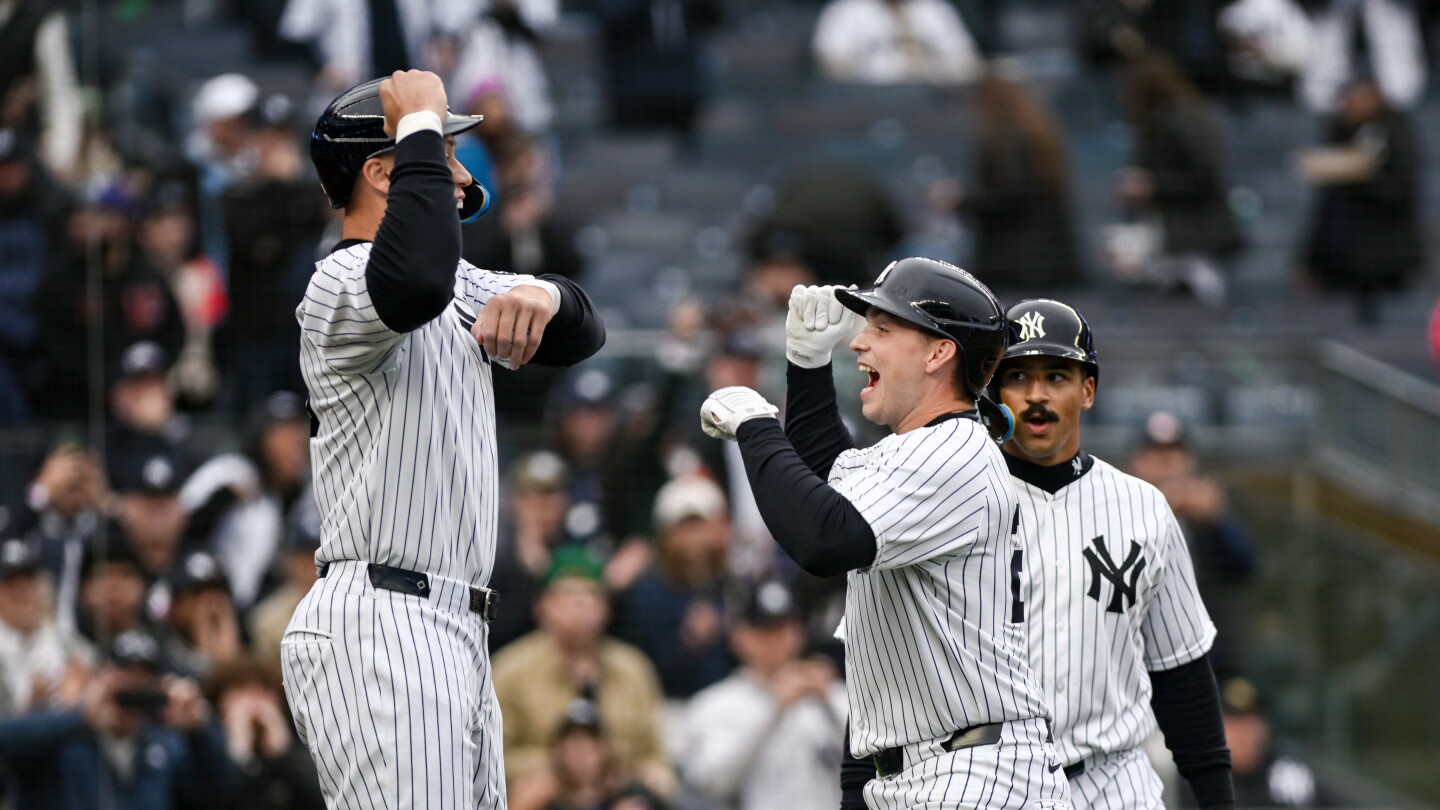
MLB tried to press fast-forward. The Yankees and Marlins proved time is a negotiation, not a mandate. Three hours, forty-nine minutes—nearly four for nine innings—set a record for the pitch clock era. NBC Sports dropped the note straight: this is now the longest regular-season game since MLB installed its time-saving gadgetry. Except on Sunday in the Bronx, time barely noticed the new rules.
That’s not theory. That’s leverage.
Every mound visit, every mid-inning chess move—managers pressed every second when it mattered. High-leverage situations don’t trim fat, they add drama. MLB’s pace-of-play reforms forced a lighter regular rhythm, but give a tight contest, and the pendulum swings back. The data? Time of game is shrinking league-wide, but competitive tension in meaningful matchups can bend all timing efforts. This Sunday, the Yankees and Marlins played a playoff-style nine-inning marathon in April. Three hours and forty-nine minutes. Zero innings wasted.
The intent behind the pitch clock wasn’t to erase drama, just dead air. But as NBC Sports highlights, when so much rides on a handful of moments, dead air turns into strategic stillness. The result: a tug-of-war between innovation and tradition. Sunday night, tradition won.
For the players, nothing about it felt casual. Every pause built tension. Every extra minute skewered nerves. And for the league office, watching that game clock drag, it was a reminder—rules can shape an average weeknight, but they can’t domesticate a clutch game.
Flash: “Fast” is philosophy, not destiny. The Bronx bared its teeth.
Managers and players know: if the margin’s thin, you ride every technicality to its final tick. The league wanted fewer marathons. What it got was clarity—when it matters most, nobody’s making deals with the clock.
Don’t read this as regression. Baseball now balances: weeks won’t be slowed by dead space, but landmark games—rivalries, near-postseason showdowns—might stretch anyway. That’s the exchange. Meaningful games over managed losses. The pitch clock changed the default, but not the DNA.
Looking Ahead: MLB won’t throw out the pitch clock. But every contender saw what happened when urgency and regulation collide. Sunday set the tone: the clock dictates the rhythm, but the moment still commands the room.
No noise. Just signal.