
 NBA
NBA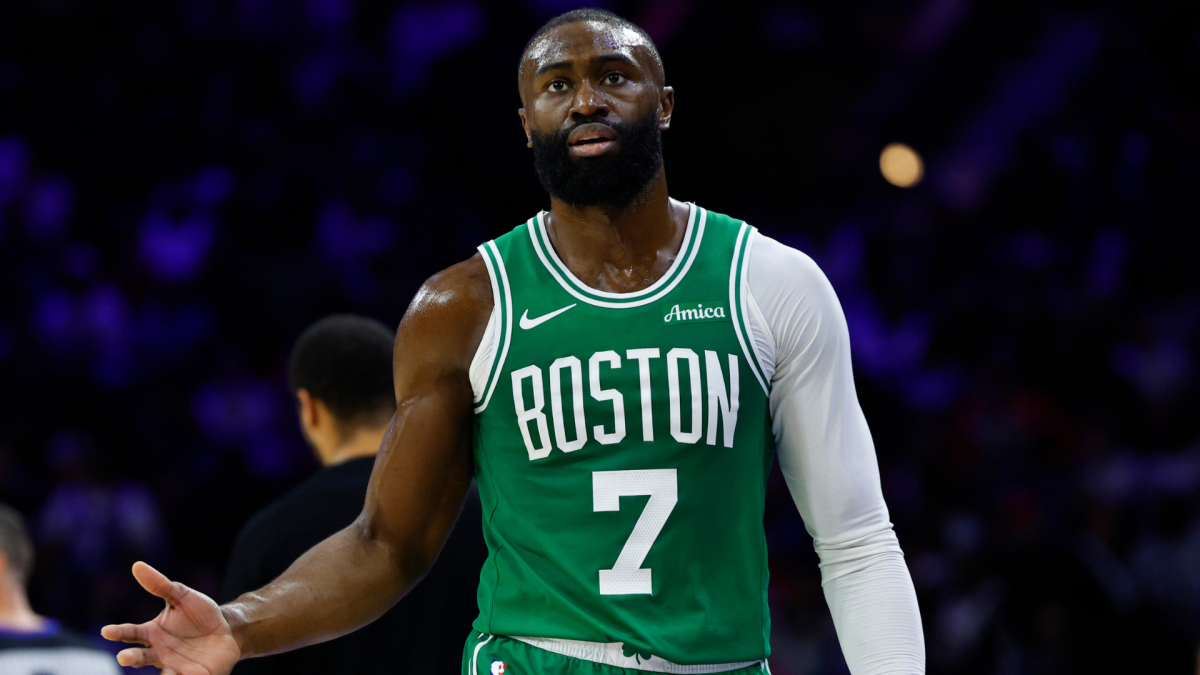
The handshake line barely cooled before the temperature shot back up.
Less than 24 hours after Boston’s Game 7 loss to the Philadelphia 76ers, Jaylen Brown went live on Twitch and let it fly. CBS Sports detailed Brown calling out Joel Embiid for flopping and questioning whether NBA referees have an “agenda” against him. Bleacher Report also captured the moment, noting the timing — raw, immediate, and very public.
That’s not just frustration. That’s a star processing a season-ending punch in real time.
Philadelphia moves on. Boston goes home. And instead of quiet locker-room reflections, the conversation flipped to officiating, physicality, and whether Embiid’s style tilts the whistle. Brown’s comments weren’t buried in a postgame scrum. They were broadcast to a live audience, replayed, clipped, and dissected across the league’s digital bloodstream.
It matters because of who said it. Brown isn’t a fringe voice. He’s a cornerstone in Boston, a player expected to anchor deep playoff runs. When he questions how the game is being called — and directly names Embiid — it reframes the series after the fact. The outcome is official. The emotions are not.
Short version? The rivalry just found new oxygen.
Embiid has long been a force who lives at the free-throw line, leveraging size, skill, and timing. Brown’s accusation of flopping hits at the core of that identity. It’s an old playoff argument dressed in fresh elimination pain: is it savvy, or is it selling contact? Brown clearly believes the line has been crossed. And by suggesting referees carry an “agenda” against him, he widened the scope from one opponent to the system itself.
That’s a serious charge.
The league office doesn’t need to respond publicly for the ripple to be felt. Players hear it. Coaches hear it. Front offices hear it. Every postseason whistle now carries a little more scrutiny when Boston is involved. The Celtics-76ers dynamic was already heavyweight theater. Now it has a subplot that stretches into next season.
And let’s be clear — this wasn’t a random February gripe. This came after a Game 7. Win-or-go-home. Emotions at their peak, margins at their thinnest. Boston’s title path closed by Philadelphia, with Embiid central to that result. Brown’s decision to speak out ensures the elimination won’t fade quietly into offseason trivia.
There’s risk here. Publicly criticizing officiating can invite league attention and fines. It can also harden reputations. Officials are human. Narratives linger. Brown betting on transparency over silence suggests he believes the cost of staying quiet is higher than the blowback.
**That’s not theory. That’s leverage.**
At the same time, this is fuel for Philadelphia. Embiid doesn’t need bulletin-board material, but he just got some. When next season’s schedule drops and these teams circle each other, this clip will resurface. Rivalries thrive on moments like this — unscripted, emotional, sharp-edged.
Boston now enters an offseason layered with more than roster questions. There’s the basketball side — how to get over the hump after another deep run ends short. And there’s the psychological edge. Brown’s comments signal a team that believes it was battling more than just an opponent. Whether that belief galvanizes or distracts will define the next chapter.
One thing is certain: the Celtics-76ers storyline didn’t end with the final buzzer of Game 7. It extended to a live stream, into headlines from CBS Sports and Bleacher Report, and across every debate show that thrives on friction.
This is what playoff exits do. They expose nerves. They amplify grievances. They turn respect into tension.
Looking Ahead: The offseason won’t cool this. Expect league scrutiny on officiating narratives, expect Embiid’s physical style to stay under the microscope, and expect Boston to remember every whistle next time these two collide. The calendar flips soon. The memory won’t.
If you missed it, you’re behind.