
 NASCAR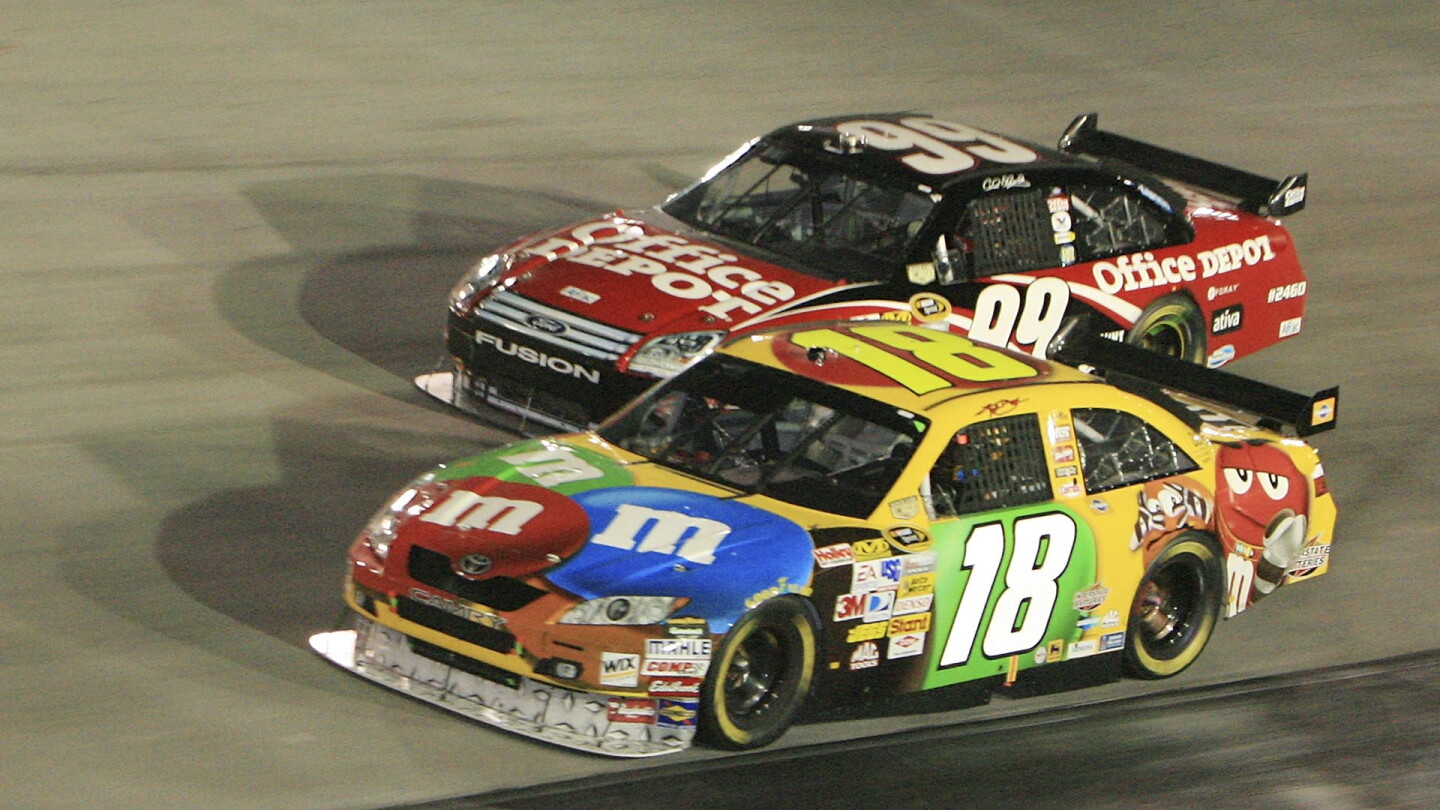
The past week in NASCAR didn’t hinge on a checkered flag. It pivoted on memory, edge, and unfinished business.
energy? Not quite. This was legacy talk—with teeth.
NBC Sports dropped a look back at Kyle Busch’s best rivalries during his NASCAR Cup Series career, and it hit on something bigger than nostalgia. It’s about how conflict builds stars, how tension fuels Sundays, and how Busch has never needed a polite introduction to make his presence felt. Over the years, his battles—personal, competitive, sometimes combustible—have become part of the Cup Series’ modern identity.
Busch’s career hasn’t been defined solely by wins or championships. It’s been defined by friction. By moments where the air felt tighter on pit road. By restarts that carried more than points. NBC Sports spotlighted those rivalries as cornerstones of his run, reminders that Busch has long thrived in the space where competition tips into confrontation.
Short version? He never backed down.
Longer version? He rarely had to.
Rivalries in NASCAR aren’t scripted. They’re born from contact, from aggressive blocks, from late-race decisions that leave one driver celebrating and another fuming. Busch has been on both sides of that equation. That’s why his name consistently surfaces when the conversation turns to the sport’s most intense head-to-heads. The NBC Sports feature makes clear: when Busch locked in on someone, it wasn’t background noise. It was appointment viewing.
And here’s what that means now. The Cup garage still carries echoes of those showdowns. Younger drivers grew up watching Busch push limits—sometimes over them. Veterans measured themselves against him. Every rivalry sharpened the field. Every feud forced evolution. **Competition like that doesn’t just create headlines. It raises the standard.**
There’s a reason NASCAR leans into these flashpoints. Rivalries drive ratings. They drive narratives. But they also drive performance. When a driver knows a specific competitor won’t yield an inch, preparation changes. Strategy tightens. Risk tolerance recalibrates. Busch’s rivalries weren’t side plots. They were catalysts.
One week you’re trading paint. Next week you’re trading mind games.
That’s stock car racing at its most raw.
NBC Sports’ revisit arrives at a moment when the Cup Series is again thick with parity. The margins are thin. The tempers? Thinner. Busch’s history is a reminder that today’s dust-ups could be tomorrow’s defining arcs. Rivalries aren’t distractions from the championship chase—they are the chase. They influence stage points, playoff positioning, and how aggressively teams call races when familiar adversaries line up nose-to-tail.
There’s also the personal layer. Busch has never shied away from playing the villain when the situation called for it. That edge has made him polarizing. It’s also made him indispensable to the sport’s drama. The NBC Sports breakdown underscores how often his rivalries transcended single incidents and turned into multi-season chess matches. That kind of sustained tension is rare. It requires talent on both sides. It requires memory. And it requires a willingness to risk being the bad guy.
**That’s not chaos. That’s competitive gravity.**
As the Cup calendar rolls forward, the lesson is clear. Rivalries aren’t relics from Busch’s peak years; they’re templates. The next flashpoint is always one bump away. And when it comes, the drivers who lean in—who understand the value of standing their ground—are the ones who shape the narrative of a season.
This past week didn’t deliver a new feud. It delivered context. NBC Sports pulled the curtain back on the battles that built one of the sport’s most consequential careers. In doing so, it reminded the garage that legacies aren’t built in isolation. They’re forged against resistance.
Looking Ahead: As the Cup Series heads into the heart of its schedule, keep an eye on the pairings that feel a little tighter on track. The next rivalry won’t announce itself politely. It will arrive in a corner, under pressure, with everything on the line.
No noise. Just signal.