
 NASCAR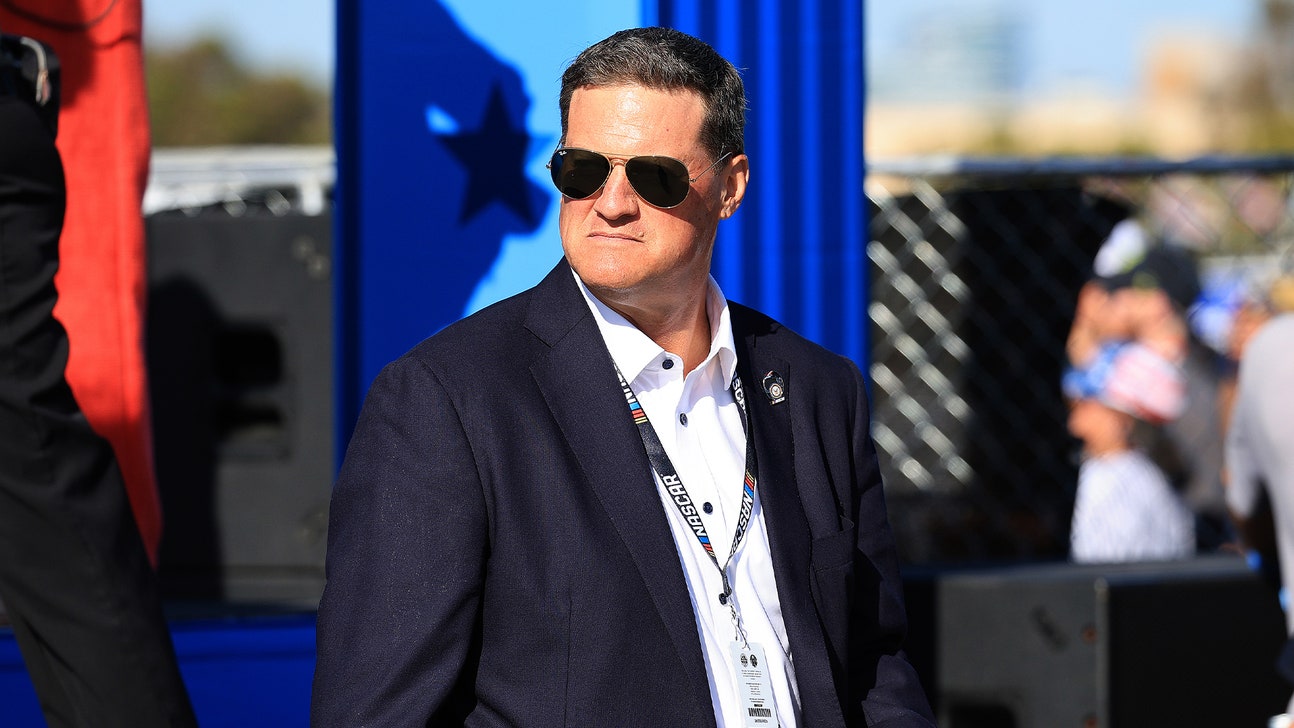
NASCAR spent this week away from the banking and the burnouts. The sport rolled into Washington D.C. with new CEO Steve O’Donnell leading the charge, and that matters more than it sounds on first read. Fox Sports detailed the visit as a move to promote the league and amplify the impact of motorsports. Translation: NASCAR knows the next era is not just about race day. It is about influence, economics, visibility, and making sure stock car racing keeps a seat at every major table in American sports.
That is not small-picture thinking.
This was one of the first high-profile public moves tied directly to O’Donnell since taking over as CEO, and the timing jumps off the page. NASCAR is trying to push momentum forward while the sports landscape keeps shifting around it. Media rights conversations never really stop. Sponsorship pressure never sleeps. Every league in America wants attention, younger audiences, and stronger political relationships. NASCAR heading to D.C. was not ceremonial. It was strategic positioning in plain sight.
And the sport has a story to sell.
Motorsports still drive major tourism dollars, massive event weekends, manufacturing conversations, and regional business impact across the country. NASCAR has long understood its footprint stretches well beyond the track itself. Washington gives the league a platform to reinforce that message with decision-makers who shape infrastructure, commerce, and national visibility. Fox Sports framed the visit around promoting the league’s impact, and that wording matters. NASCAR was not there asking for relevance. It was reminding people it already has it.
THIS IS ABOUT STAYING POWER.
The challenge for every legacy sports property right now is balancing tradition with modern attention spans. NASCAR feels that pressure every season. The sport still delivers scale, loyal fan bases, and iconic venues, but the competition for audience share is relentless. Formula 1 keeps expanding its American footprint. Streaming changes viewing habits by the month. Fans expect access, speed, personality, and spectacle all at once. O’Donnell stepping into Washington this early signals a leadership style that understands the fight is happening on multiple fronts.
Short version? NASCAR is trying to control its own narrative before somebody else does.
There is also symbolism attached to where this happened. Washington has become a crossroads for major sports leagues looking to strengthen visibility and relationships outside their traditional lanes. The NFL does it. The NBA does it. NASCAR showing up in that environment places stock car racing inside the same broader national conversation. That does not guarantee wins tomorrow. It does show intent. And intent matters in a sports economy built on perception as much as performance.
One-line reality check: leagues that disappear from public conversation eventually disappear from leverage.
O’Donnell now carries the responsibility of guiding NASCAR through a complicated stretch where growth has to look modern without alienating the fan base that built the sport. That balancing act is tougher than any restart at Talladega. Fans want authenticity. Sponsors want reach. Partners want innovation. Drivers want platforms. Everybody wants bigger numbers. The CEO chair comes with no caution flags.
The D.C. trip also lands at an interesting moment for motorsports culture in America overall. Racing remains deeply tied to identity in huge parts of the country, but the battle for national attention has become sharper and more crowded. NASCAR promoting itself beyond race weekends is an acknowledgment that visibility cannot be seasonal anymore. The league wants to stay present in conversations tied to business, policy, technology, and entertainment. That approach may not create instant headlines like a last-lap pass, but over time it shapes how powerful the sport can remain.
That is not theory. That is leverage.
There is still plenty unknown about how O’Donnell’s tenure ultimately unfolds. One Washington appearance does not define a leadership era. But first impressions matter, and this one came with a clear message: NASCAR intends to stay aggressive about expanding its reach and protecting its position in a crowded sports world. The league did not arrive in D.C. looking nostalgic. It showed up looking active.
And in modern sports, active beats comfortable every time.
Looking Ahead: NASCAR now heads back toward the rhythm fans know best: race weekends, playoff positioning pressure, and the weekly scramble for momentum. But this week showed something bigger. The sport is pushing off the track as hard as it pushes on it. Summer moves fast. The standings tighten faster. No noise. Just signal.