
 College Football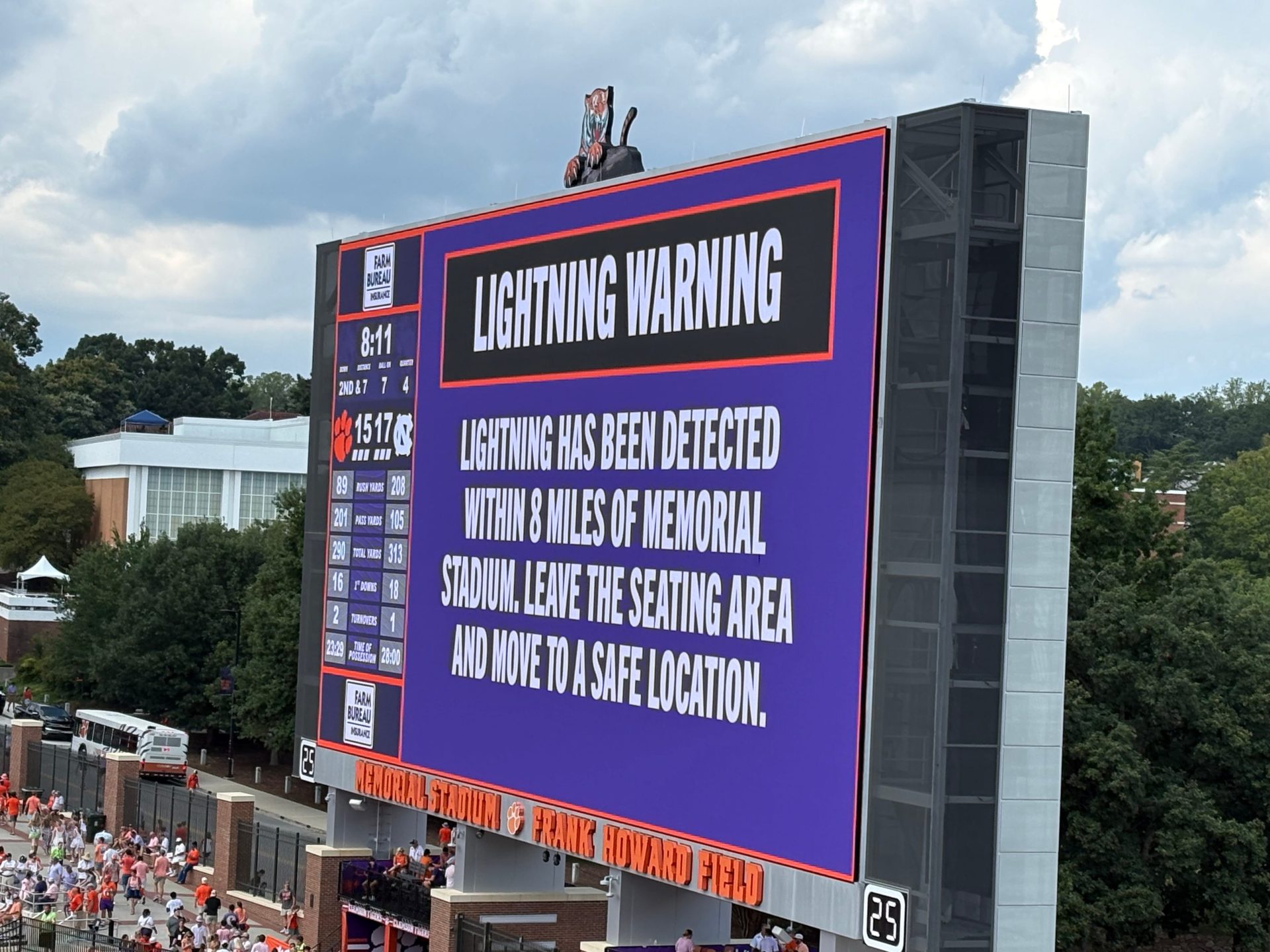
College football spent the week talking about rankings, rivalries, and playoff positioning. Then the weather showed up and grabbed the remote. Lightning delays and shifting kickoff windows scrambled ESPN’s coverage plans across the country, turning a routine Saturday into controlled chaos. Front Office Sports detailed how networks adjusted in real time as storms rolled through key matchups, including a lightning delay involving North Carolina and Clemson. The games still mattered. The stakes still counted. But the rhythm of the sport took a direct hit.
That is the thing about college football Saturdays. They are built like a giant domino line. One weather delay lands, and suddenly producers are moving cameras, talent crews are reshuffling, and viewers are bouncing between windows trying to find live action that has not been paused by a weather alert. ESPN found itself managing overlapping delays and extended broadcasts while fans dealt with the modern version of football whiplash. Momentum on the field disappeared. Momentum on television did too.
And this was not just a programming headache.
It changed the feel of the entire day.
The North Carolina-Clemson delay became one of the defining visuals of the weekend. Players standing idle. Fans waiting out lightning. Energy leaking from the stadium one minute at a time. College football thrives on emotion and pace. Storm delays flatten both. Teams spend hours preparing for controlled bursts of violence and timing. Then nature walks in and tells everyone to wait.
That matters more in late September than people admit. Conference races tighten now. Playoff narratives harden now. A disrupted game environment can swing momentum, preparation, and execution. Coaches talk constantly about routine because routine wins games. Weather does not care about routine. Networks do not either once the windows begin collapsing on each other.
The television side became its own competition. Front Office Sports described ESPN’s balancing act as delays stacked up and games drifted outside their planned slots. Viewers saw the ripple effect immediately. Kickoffs overlapped. Broadcast crews stretched coverage. Studio programming adjusted on the fly. It was messy, but also revealing. College football’s media machine is massive, polished, and relentless right up until the moment a thunderstorm parks itself over a stadium.
That is not theory. That is leverage.
Weather can reshape exposure, ratings flow, and audience attention in a single afternoon.
There is also a bigger conversation forming here about scheduling and season structure. September football increasingly runs headfirst into dangerous weather pockets across the South and East Coast. Lightning protocols are necessary and non-negotiable, but they also create marathon viewing days that test players, fans, and broadcasters alike. The sport sells intensity. Endless delays drain it. Nobody tunes in hoping for radar updates and empty fields.
Still, there was something unmistakably college football about the chaos. Fans stayed locked in. Social feeds lit up with game-window confusion and weather shots from packed stadiums. ESPN kept maneuvering. Teams kept waiting for their moment to restart. The machine bent but did not break. That resilience is part of the appeal. Saturdays feel alive because they are unpredictable in ways other sports rarely match.
One delay changes a quarter. Multiple delays change the national conversation.
Looking Ahead: More high-stakes conference games are coming fast, and so is the pressure surrounding playoff positioning. Networks will keep juggling massive windows, and schools across weather-heavy regions will hope the radar stays clean. Because once delays start stacking, the entire sport feels it. October is close. The margin gets thinner from here.