
 F1
F1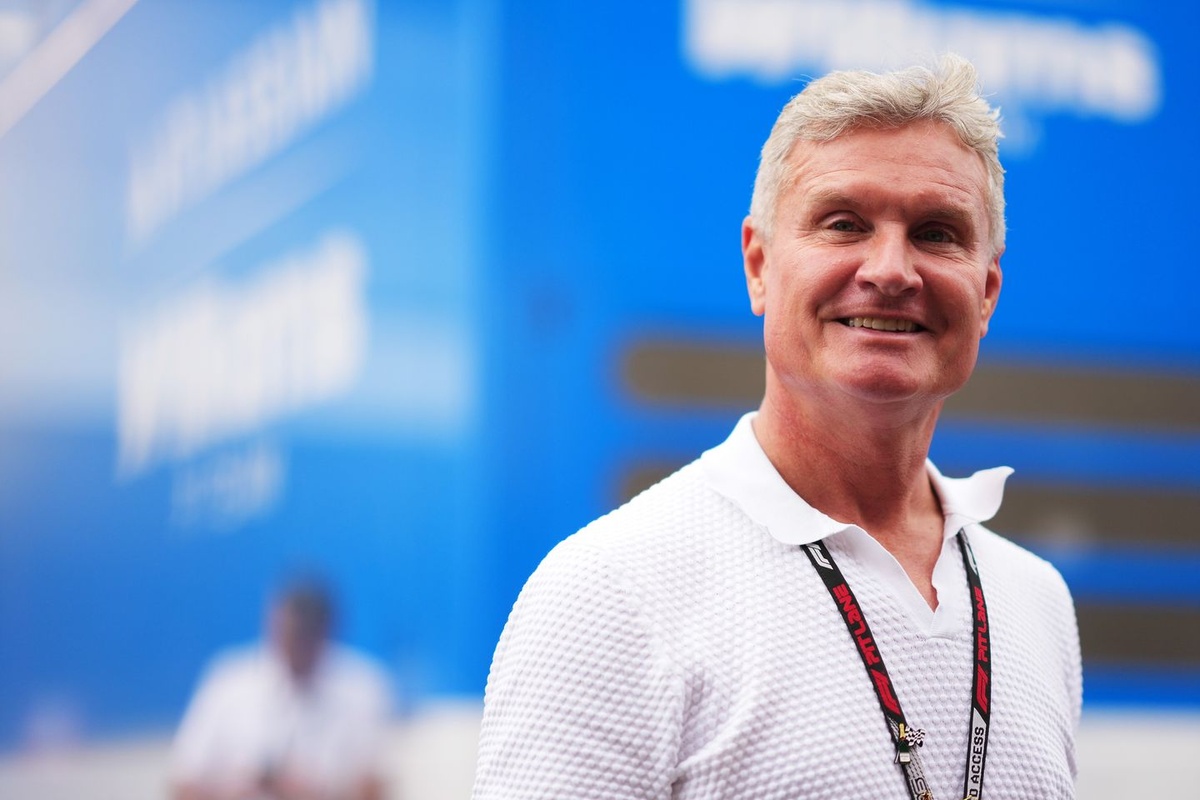
Formula 1 never stays quiet for long. One week it is strategy gambles and tire whispers. The next, it is the people controlling the race itself under the spotlight. This week, that spotlight landed squarely on the FIA after David Coulthard pushed for quicker safety car decisions in the wake of the Spanish Grand Prix. The former F1 driver told Motorsport.com there is clear “room for improvement” when it comes to neutralising races. Simple point. Massive implications.
Because in modern F1, timing is everything. A delayed safety car call is not just a procedural hiccup. It can flip race strategy, erase gaps, hand momentum to one side of the grid and leave another staring at a lost weekend. Teams build entire race plans around reaction speed. Drivers gamble on tires, fuel windows and track position measured in seconds. The governing body cannot move in slow motion while everyone else operates at race pace.
That tension is now impossible to ignore.
The Spanish Grand Prix became the latest flashpoint. Coulthard’s comments landed because they hit a nerve that already existed inside the paddock and across the fanbase. F1 has spent years polishing the show into a global heavyweight product built on precision and urgency. Every radio call matters. Every pit stop gets dissected frame by frame. When race control decisions appear hesitant, the contrast feels even sharper.
McLaren and Lando Norris were part of the conversation surrounding the race management fallout, adding another layer to the debate. Front-running teams are fighting for margins so thin they practically disappear on telemetry. In that environment, delayed intervention changes outcomes. Not theoretically. Directly. That is why this discussion carries weight beyond one grand prix.
That is not theory. That is leverage.
Coulthard’s criticism also lands at a moment when the FIA continues balancing two competing pressures: safety and spectacle. Neutralise a race too quickly and critics argue the sport interferes too heavily. Wait too long and the governing body risks looking reactive instead of decisive. There is no easy setting for that balance. But hesitation is its own decision, and F1’s ecosystem moves too fast for uncertainty to feel acceptable.
The modern grid amplifies every delay. Cars close gaps rapidly under changing conditions. Teams feed drivers constant data. Broadcasters replay incidents before stewards finish initial reviews. Fans consume everything in real time and expect race control to match that speed. That expectation may not always be fair, but it is absolutely real. Formula 1 has evolved into a sport where operational sharpness matters almost as much as outright pace.
One delayed call can reshape an entire Sunday.
And this is where the broader championship tension creeps in. Every late-season race carries multiplied pressure. Drivers are no longer simply chasing podiums; they are protecting title hopes, constructor points and long-term momentum heading into the final stretch. A safety car decision that changes tire strategy or compresses the field can swing far more than one race result. It can redirect an entire campaign.
That reality explains why voices like Coulthard’s resonate. Former drivers understand the emotional side of these moments, but they also understand the competitive mechanics underneath them. Drivers trust race control with both safety and fairness. Once hesitation enters the conversation consistently, scrutiny follows immediately.
Formula 1 does not have the luxury of slow narratives anymore. The sport lives online every second of the weekend. Controversies become debates before cars even return to parc fermé. The FIA now faces a familiar challenge with renewed urgency: improve communication, tighten reaction windows and remove unnecessary ambiguity from race management.
Because the sport itself is too fast for blurred edges.
There is also a deeper optics issue here. F1 has worked aggressively to present itself as elite-level precision entertainment. Teams operate like aerospace labs. Pit crews deliver tire changes in barely measurable moments. Drivers process chaos at 200 miles per hour. Against that backdrop, indecision from race control stands out even harder. Fans accept mistakes. What they struggle with is inconsistency.
That is where this story gains staying power beyond one weekend in Spain. Coulthard did not frame the issue as outrage. He framed it as improvement. That distinction matters. Calls for sharper procedures are not attacks on the sport; they are recognition of the standard Formula 1 claims to represent.
Looking Ahead, expect race control decisions to remain under heavy examination over the next run of grands prix. Every caution period, every neutralisation and every delayed response will now carry extra attention after the Spanish Grand Prix fallout. The FIA may not overhaul procedures overnight, but the pressure to tighten execution just increased. September moves fast. The championship moves faster.