
 Tennis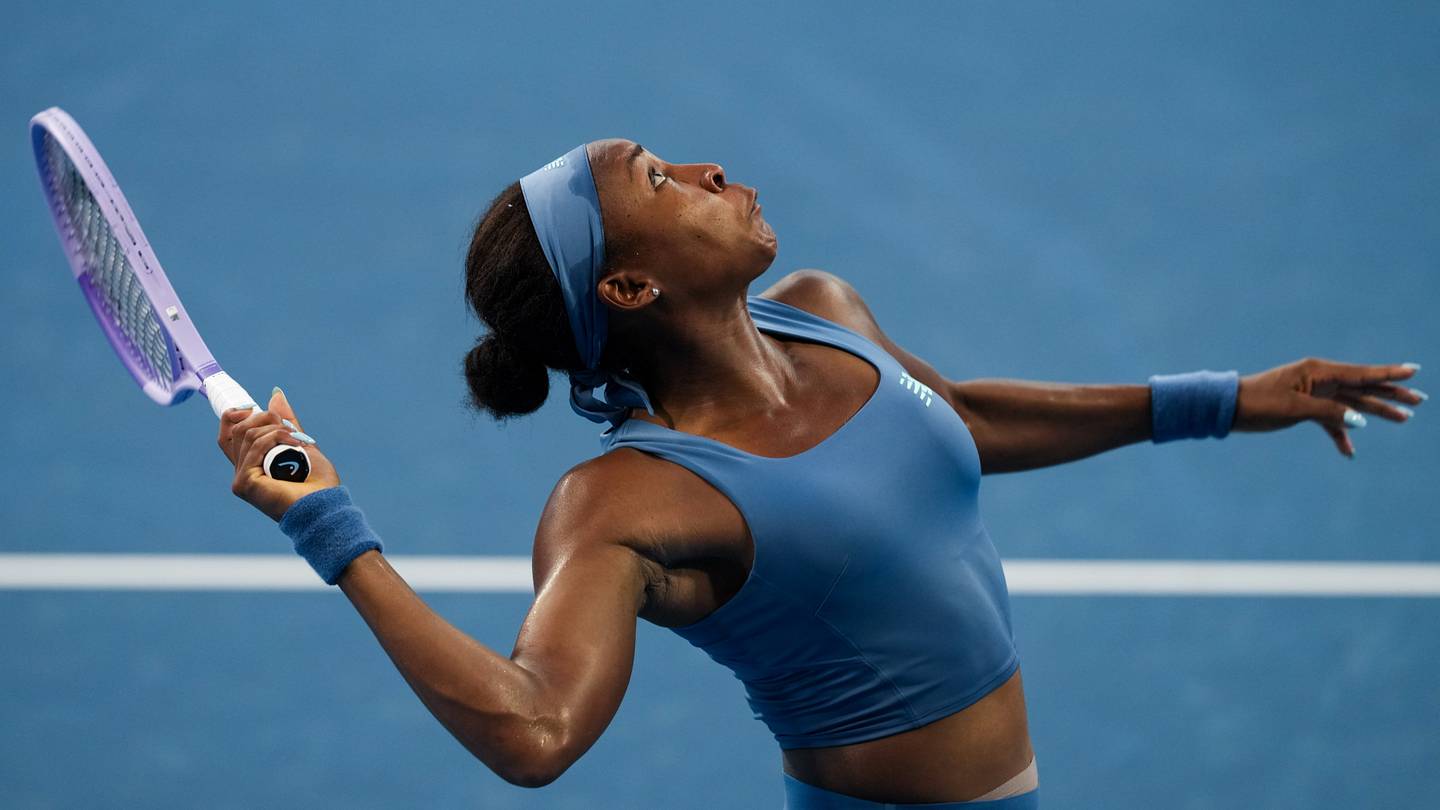
Tennis does not hand out overnight fixes. Not at the top level. Not when every flaw gets freeze-framed, replayed, and dissected from every angle possible. That is why the biggest story from this past week hit with real weight: Coco Gauff’s serve transformation. Bleacher Report spotlighted how Gauff reshaped one of the most scrutinized parts of her game in a single year, and the significance stretches far beyond mechanics. This is about trajectory now. About ceiling. About whether one adjustment can flip a player from dangerous contender to week-after-week problem.
For a stretch, the serve conversation around Gauff followed her everywhere. Double faults. Rhythm issues. Tension in big moments. Opponents knew there were windows to attack. That kind of vulnerability spreads fast on tour because elite players feast on patterns. The second a returner senses hesitation, pressure builds before the toss even leaves the hand. The Bleacher Report feature made clear that the change was not cosmetic. This was a full recalibration. Cleaner motion. Better timing. More trust. And maybe most important, less visible stress around the shot itself.
That matters because modern women’s tennis is brutal on second serves. There is almost no safe harbor anymore. If the delivery leaks power or confidence, rallies start downhill immediately. Gauff already possessed the movement, defense, and baseline elasticity that force opponents into extra shots. Add a steadier serve to that package and suddenly the math changes. Service games become shorter. Energy gets conserved. Scoreboard pressure swings the other direction.
That’s not theory. That’s leverage.
The fascinating part is how quickly perception can shift in this sport. One season ago, discussions around Gauff often circled back to what needed fixing. This week, the conversation felt different. The focus moved toward what becomes possible when a young star patches the most glaring weakness in her arsenal. Tennis history is full of players who hovered near the top until one technical breakthrough unlocked consistency. The sport rarely rewards incomplete games for long. Gauff appears determined to erase the obvious target entirely.
And the timing is loud.
The tour does not slow down for development projects. Players either evolve or get swallowed by the depth of the field. Gauff’s adjustment signals something bigger than technical cleanup. It suggests adaptability under pressure, which may be the most valuable trait in elite tennis right now. Opponents scout tendencies relentlessly. Coaches search for cracks. Media cycles magnify every wobble. The ability to absorb criticism, make changes, and return sharper carries serious weight inside locker rooms.
Bleacher Report framed the transformation through the lens of a single year, but the deeper takeaway sits in the patience behind it. Tennis fans often expect instant reinvention. Real changes usually arrive in uneven stages. Timing breaks down before it stabilizes. Confidence disappears before it returns stronger. Gauff staying committed through that process says plenty about her competitive wiring. There is a reason the sport keeps circling back to her upside. Few players combine athletic range, defensive instincts, and star-level composure the way she does.
Now the serve no longer feels like the headline opponents can lean on.
That changes match psychology immediately. Returners cannot camp on uncertainty if the delivery is landing cleaner and carrying more intent. Pressure shifts to neutral rallies, and Gauff already thrives there. The ripple effect extends across tournaments too. Higher-quality service games preserve stamina over long weeks. Cleaner holds create scoreboard freedom. Momentum stacks faster when points start on your terms instead of in survival mode.
There is also something revealing about how this story landed across tennis media this week. Fans love visible growth. Not hype. Not projection. Tangible improvement. The sport can sometimes drown in future-tense conversations about potential, but technical development gives audiences something concrete to trust. Gauff’s serve evolution fits that lane perfectly because it is measurable, visible, and tied directly to match pressure.
That’s the kind of adjustment that echoes through a season.
Looking Ahead: the attention now shifts from the fix itself to the durability of it. Tennis has a way of stress-testing every improvement under brighter lights and tighter moments. Gauff enters that phase carrying renewed momentum and a different layer of credibility around her game. One year changed the conversation. The next stretch could change the hierarchy. February tightens. March doesn’t wait.