
 Tennis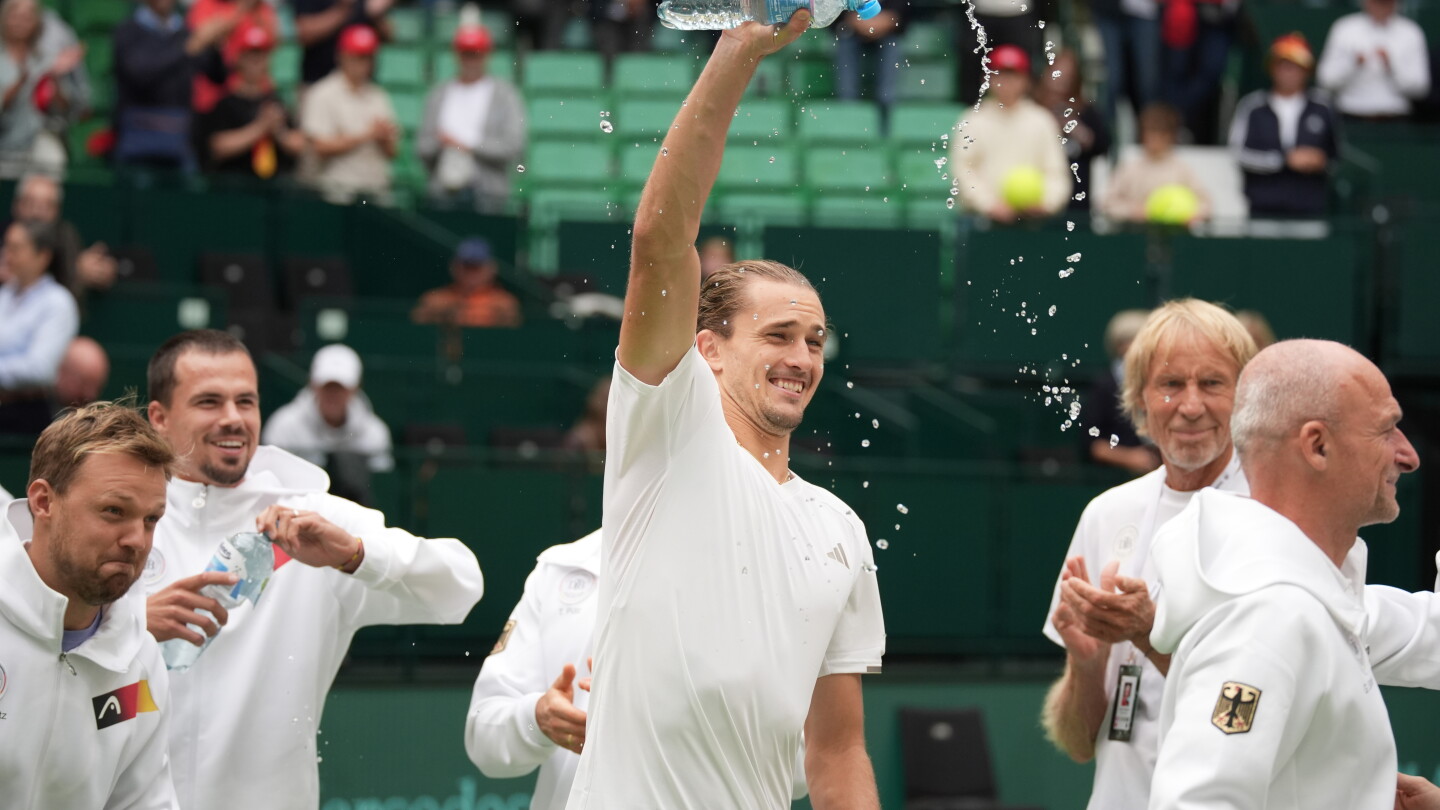
The Davis Cup always hits differently when the calendar tightens. Every match carries national pressure. Every service break feels louder. This week, Germany handled that pressure cleanly. Alexander Zverev powered past Prizmic in swift fashion, sending Germany into the Davis Cup Final 8, while Britain also secured advancement, as reported by NBC Sports. No wasted movement. No drawn-out drama. Germany came in looking like a team that understood the assignment from the first ball.
Zverev’s performance mattered beyond the win itself. The Davis Cup has a way of exposing hesitation, especially for top players carrying expectation on their backs. Instead, Germany got sharp execution and immediate control. Fast matches in this format are more than efficient. They preserve energy, stabilize momentum across the roster, and send a message to the remaining field that the group stage is not the place to search for rhythm. Germany already found theirs.
That changes the temperature around the tournament.
Because once a contender punches through early, everyone else starts recalculating.
NBC Sports framed the result as a decisive push into the Final 8, and that word matters here. Decisive. Not surviving. Not escaping. Germany advanced with authority, and Zverev sat right in the middle of it. Tennis still revolves around stars in moments like this. Team format or not, elite players tilt entire weeks. One dominant performance can flatten uncertainty for everybody standing behind it.
Britain moving on adds another layer to the bracket conversation. Davis Cup tennis rewards depth, composure, and adaptability more than highlight-reel bursts. Advancing teams do not always need perfect tennis. They need controlled tennis at exactly the right time. Britain did enough to keep its run alive, and now the pressure shifts toward sustaining that edge deeper into the competition. The field narrows. Margins disappear.
That’s where the tournament gets dangerous.
One rough set suddenly carries national consequences.
The biggest takeaway from this week is not just who advanced. It is how quickly the separation started to show between teams arriving with clarity and teams still trying to discover identity on the fly. Germany looked organized. Focused. Built for this specific environment. Davis Cup crowds create emotional chaos, but the strongest teams reduce the event back to fundamentals: first serves, clean returns, disciplined tempo. Zverev’s quick work against Prizmic reflected exactly that kind of controlled urgency.
And there is another layer sitting underneath all of it. The tennis calendar is long. Physically demanding. Mentally repetitive. Yet Davis Cup weeks can reset energy because players are competing for something larger than individual ranking points. That urgency showed up in Germany’s approach. There was no sense of pacing for later rounds. The attack came early.
That’s not theory. That’s leverage.
A fast path into the Final 8 can become a real competitive advantage if the schedule tightens further and physical wear starts creeping into the tournament. Every shortened match matters. Every conserved hour matters. Germany now carries both momentum and efficiency into the next stage.
Prizmic, meanwhile, ran into the hard reality that Davis Cup tennis can punish hesitation instantly. Younger players and emerging names often discover there is very little time to settle into these matches once an established star grabs control. The atmosphere amplifies every mistake. Experienced contenders know how to accelerate that pressure. Zverev did exactly that.
The broader picture around this week’s action is simple: the Final 8 field is beginning to take shape, and the emotional stakes are climbing with it. National-team tennis creates different storylines than the weekly tour grind. Fans react differently. Players react differently. Momentum swings harder. Countries ride confidence like a wave until somebody finally interrupts it. Germany now enters that next phase carrying one of the strongest signals of the week.
Looking Ahead: Germany and Britain move forward with momentum, but Davis Cup momentum is fragile by design. One cold start can erase a dominant week. The Final 8 will test depth, nerve, and recovery as much as raw shot-making. Germany already has the headline win. Now comes the harder part — proving it travels. February tightens. March doesn’t wait.