
 NASCAR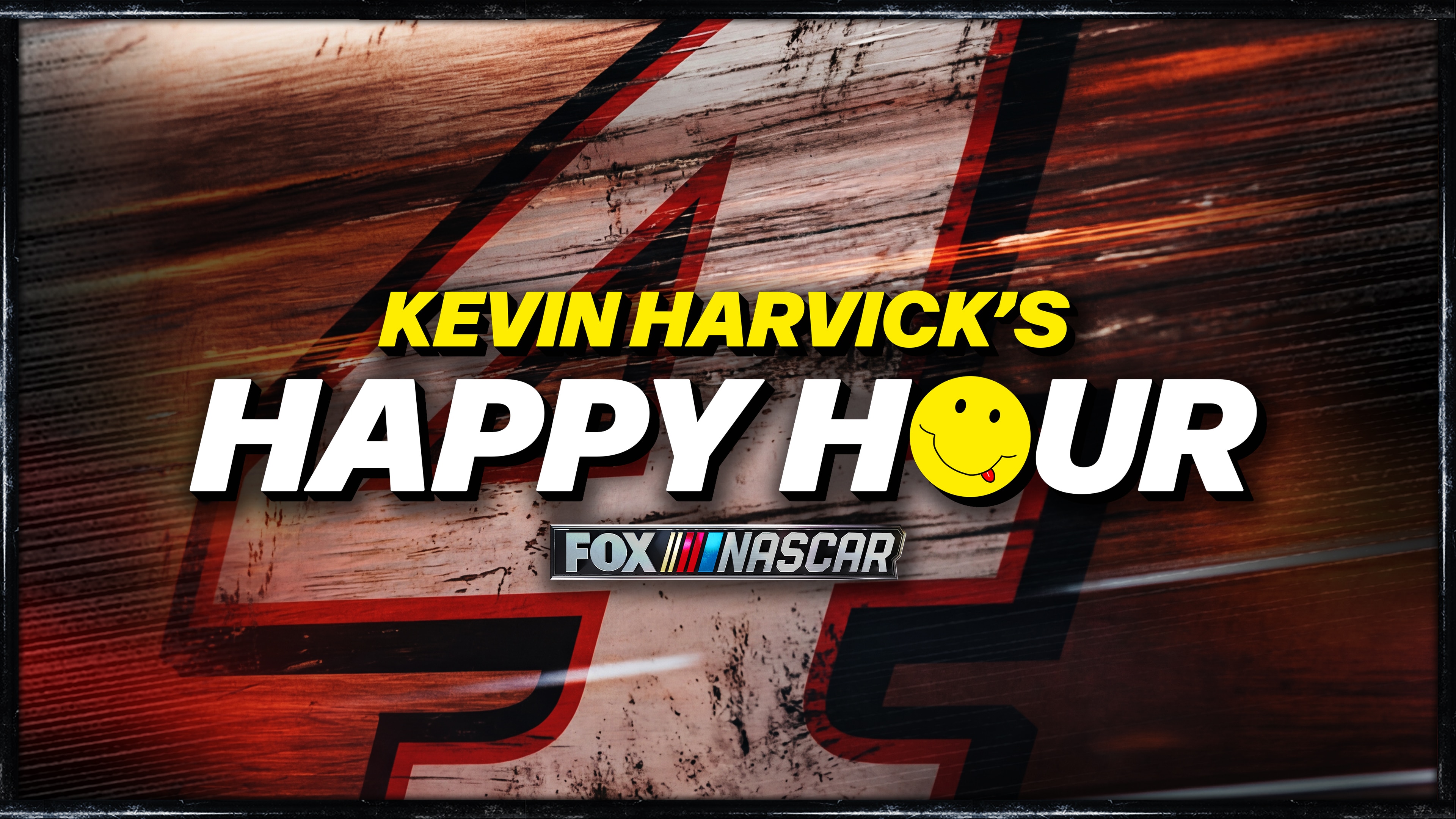
NASCAR never stays quiet for long. One week it’s playoff math. The next, it’s tempers, retaliation chatter, and the sport’s leadership stepping directly into the conversation. That’s where this week landed. Fox Sports dropped an exclusive replay featuring NASCAR CEO Steve O’Donnell alongside Kevin Harvick, and the timing mattered. The discussion centered on Carson Hocevar versus Ryan Blaney, the return of The Chase conversation, and NASCAR’s broader future. Three lanes. Same pressure.
The Hocevar-Blaney storyline grabbed immediate oxygen because NASCAR still runs on rivalry energy. Bristol fights always carry extra weight. Tight quarters. Short fuses. Long memories. O’Donnell stepping into that discussion publicly signals something important: NASCAR understands conflict drives attention, but it also knows the line between competitive edge and chaos gets thinner deep into the season. Fans don’t want sanitized racing. They want consequences that feel earned.
That’s the balancing act.
And NASCAR keeps walking it at full speed.
Fox Sports framed the conversation around the tension coming out of Bristol, and O’Donnell didn’t avoid the larger implications. When leadership addresses incidents involving names like Hocevar and Blaney directly, it becomes bigger than one moment on one track. It becomes a statement about how NASCAR wants competition to look heading toward the postseason stretch. Aggression sells. Recklessness costs. The sport is constantly negotiating between those two truths.
Kevin Harvick’s presence in the conversation mattered too. Former drivers carry a different credibility in these moments because they understand the emotional economy inside the garage. Every bump has context. Every retaliation has history. Every “racing incident” gets replayed from six different angles before the haulers even leave the track. Harvick knows that ecosystem. O’Donnell knows the league office perspective. Put them together and the conversation naturally shifts from one flashpoint to the bigger picture: what NASCAR wants its identity to be over the next few years.
That’s where The Chase return discussion added another layer. NASCAR has spent years adjusting formats, recalibrating postseason stakes, and trying to maintain urgency from February through the final laps of the championship run. The fact that O’Donnell addressed The Chase concept at all tells you the format conversation never truly disappears. Fans debate legitimacy. Drivers debate pressure. Executives debate engagement. Nobody in NASCAR treats playoff structure as settled business.
That’s not theory. That’s leverage.
The sport understands format changes alter behavior. Drivers race differently when elimination pressure enters the equation. Teams strategize differently. Manufacturers react differently. The entire garage shifts once every point suddenly feels expensive. Even revisiting The Chase discussion publicly creates noise around what NASCAR values most: consistency, spectacle, or survival pressure.
Then came the broadest topic of all — NASCAR’s future. O’Donnell’s appearance on Fox Sports wasn’t just about conflict resolution or nostalgia for older playoff systems. It was about positioning. NASCAR knows it’s competing in a crowded sports landscape where attention resets every week. The modern fan wants speed, personality, controversy, and stakes layered together. Bristol delivers that naturally. The challenge is carrying that intensity beyond one headline weekend.
Short-track emotion still hits differently.
Always has.
The conversation also reflects how NASCAR increasingly leans into transparency through media appearances instead of letting speculation spiral unchecked. That approach matters in a sport where fan loyalty runs deeply personal. When leadership addresses controversy directly, even without handing down sweeping declarations, it changes the temperature around the story. Silence creates vacuum. NASCAR chose visibility this week.
And visibility is part of the modern game now.
The broader takeaway from the Fox Sports feature is that NASCAR remains fully aware of its strongest currency: emotional investment. Fans care when drivers clash. Fans care when executives weigh in. Fans care when playoff systems get questioned. Those conversations are not distractions from the sport. In many ways, they are the sport. The trick is making sure the drama strengthens competition instead of swallowing it.
Looking Ahead: NASCAR heads deeper into the season with pressure building around every decision, every point swing, and every rivalry that refuses to cool off. Expect continued conversation around driver conduct, postseason intensity, and how the sport balances tradition with evolution. Bristol may be in the rearview mirror, but the tension it created is still riding shotgun. October gets loud fast.
If you missed it, you’re behind.