
 College Basketball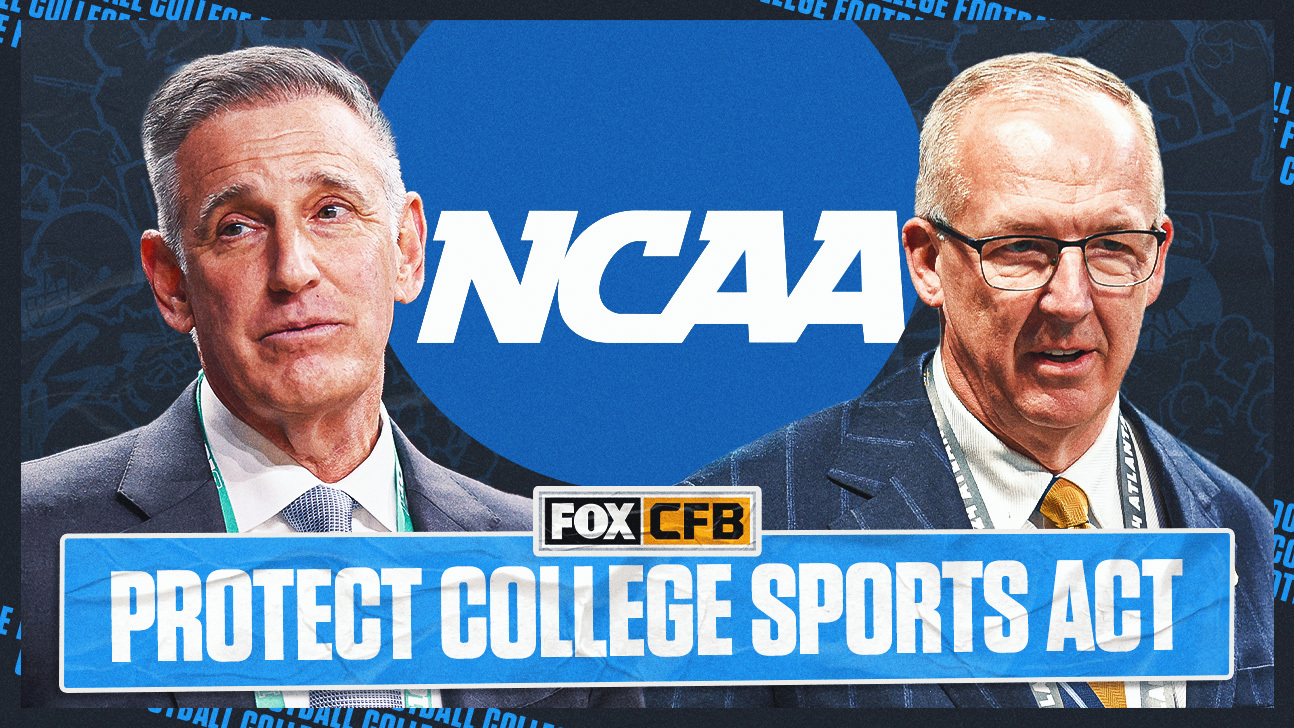
College basketball spent the week staring less at box scores and more at Capitol Hill. That’s the shift now. Recruiting never stops. NIL never sleeps. And the latest move in Washington could shape the next decade of roster building, player compensation, and competitive balance across the sport.
Fox Sports broke down the Protect College Sports Act this week, a bill that immediately grabbed the attention of athletic departments, coaches, collectives, and administrators around the country. The headline is simple: lawmakers are trying to create more structure around the chaos that has swallowed modern college athletics. The details still carry moving parts, but the pressure point is obvious. Schools want clarity. Conferences want protection. Athletes want freedom and leverage. Everyone wants rules that actually stick.
That tension is now the entire sport.
For college basketball, this matters in a hurry. Programs have spent the last few years operating in an environment where roster construction can flip overnight. A Sweet 16 core can disappear by spring. Mid-major stars can become high-major targets in a matter of days. Donor-backed collectives turned into recruiting power brokers almost instantly, and enforcement has struggled to keep pace. The Protect College Sports Act lands directly in the middle of that storm.
Fox Sports noted the bill could impact how NIL operates moving forward and how college sports are governed federally. That’s the kind of sentence that sounds procedural until you zoom in on what it actually means for basketball. Every coach selling stability to recruits is paying attention. Every athletic department trying to budget for revenue sharing is paying attention. Every fan base wondering why rosters look different every March is paying attention.
Because this is no longer just about recruiting rankings.
It’s about power.
The NCAA has spent years trying to regain control of a rapidly changing system, while conferences continue expanding influence and athletes continue pushing for broader compensation rights. The result has been a patchwork operation where schools often navigate state laws, conference rules, and NCAA guidance all at once. Clean lines barely exist anymore. The Protect College Sports Act represents another attempt to establish national guardrails before the system drifts even further into open-market chaos.
That’s not theory. That’s leverage.
Basketball coaches especially understand the stakes because roster turnover hits harder in the sport’s smaller lineup structure. One elite guard changes a season. One transfer changes a conference race. One NIL deal changes a commitment battle. Programs with financial muscle have already separated themselves in key recruiting wars, while smaller schools increasingly fight to retain breakout players after one strong season.
The concern around the sport isn’t only competitive imbalance. It’s uncertainty fatigue. Coaches want to know what rules will exist six months from now. Athletic directors want a framework that survives legal challenges. Players want transparent systems instead of shifting interpretations and public confusion. The current environment created opportunity, but it also created instability. That combination keeps pushing lawmakers deeper into the conversation.
And make no mistake, basketball is part of the front line here.
The sport has always adapted quickly. One-and-done changed recruiting. The transfer portal changed roster timelines. NIL changed the economics of commitment and retention. Now the conversation turns toward federal involvement and long-term governance. That’s a different level of pressure. Schools are no longer preparing only for opponents. They are preparing for policy.
The timing matters too. Preseason preparation is already ramping up around the country, and programs are trying to project future roster management models while the larger system remains unsettled. That creates hesitation in some corners and aggression in others. Some schools push harder into collective-backed spending. Others wait for more legal clarity before making major operational decisions. The gap between those approaches could define future conference hierarchies.
Fox Sports emphasized that key questions surrounding the bill and its long-term effects are still developing. That’s important. Nothing here feels final yet. But the signal is loud enough. College athletics is moving toward a more formalized structure whether programs are ready or not.
And if there’s one thing college basketball never handles quietly, it’s structural change.
Looking Ahead: Expect the conversation around the Protect College Sports Act to accelerate quickly as administrators, conferences, and athlete advocates weigh in publicly. Basketball programs heading toward the season want answers before another recruiting cycle detonates into uncertainty. February tightens. March doesn’t wait.