
 Boxing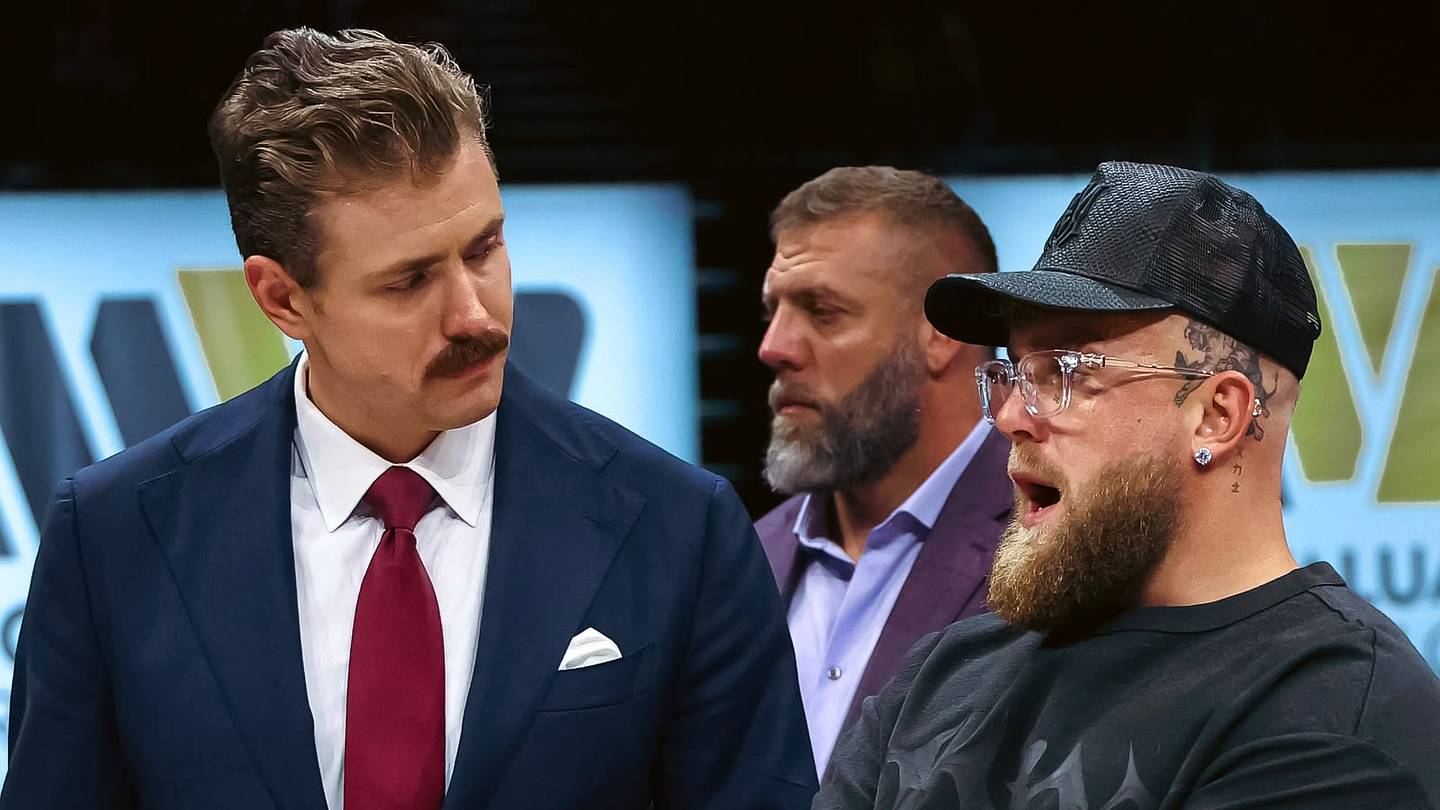
Boxing did not deliver a blockbuster fight headline this week. It delivered something quieter. Maybe more important long term. Sports Illustrated dropped a feature on Kody “Big Mo” Mommaerts and framed him as “the new voice of combat sports,” and the timing lands right in the middle of a sport still fighting for clean identity, consistent storytelling, and personalities that feel built for the current era instead of preserved from the last one.
That matters.
The gloves still sell. The knockouts still travel. But combat sports in 2026 are increasingly driven by who can command the conversation between the bells. Broadcasters, hosts, analysts, interviewers, digital personalities — they are no longer side characters orbiting the fight game. They shape how fans discover fighters, how rivalries breathe online, and how events hold attention long after the final scorecards are read.
Sports Illustrated’s profile positions Mommaerts as a crossover communicator in a crowded combat landscape. Boxing has been searching for exactly that kind of connective tissue. Not just somebody who can call action, but somebody who can carry energy across platforms, audiences, and promotions without sounding manufactured. Fans know the difference immediately. Combat sports audiences are ruthless with authenticity checks. Always have been.
And right now, boxing needs sharp communicators almost as much as it needs elite matchups.
That is not exaggeration. That is the current market.
The modern fight business moves at a strange pace. One weekend can feel electric. The next can disappear under streaming overload, fractured promotion schedules, and social media churn that turns even strong performances into 24-hour stories. The people who survive that environment are the ones who can hold attention before, during, and after the event itself. Sports Illustrated leaning into Mommaerts as a rising media figure says something about where the industry believes momentum is headed.
The old formula was simple: big network, famous promoter, championship belt. Done.
Now? Presence matters. Voice matters. Reach matters.
A fighter can win brilliantly and still lose the week online if nobody amplifies the moment correctly. Another personality can spark engagement with one sharp interview clip and suddenly shift public attention toward an undercard matchup that previously had no traction. That ecosystem is no longer secondary to boxing. It is part of the engine.
That is why this story carried weight beyond one profile piece.
Sports Illustrated did not frame Mommaerts as another temporary media personality cycling through combat sports content. The article leaned into the idea of ownership over the microphone space itself. “3 Rings, 1 Voice” is branding language, sure, but it also reflects where boxing sits culturally right now. Fans move between boxing, MMA, influencer cards, crossover events, and digital-first fight coverage faster than ever. The walls separating audiences are thinner every year.
The personalities capable of navigating all of it cleanly become valuable fast.
That’s not theory. That’s leverage.
The bigger implication for boxing is whether the sport finally embraces modern storytelling without sanding off its edge. Fight fans do not want polished corporate theater. They want tension. Rivalries. Personality clashes. Stakes that feel immediate. The strongest voices in combat sports understand that the best promotion is not forced noise. It is clarity. Who wants what. Who stands in the way. Who can actually back it up once the lights turn on.
Mommaerts stepping into that lane arrives during a period where boxing media itself is evolving in real time. Legacy outlets still matter. Independent creators matter too. Podcasts move narratives. Interview clips become headlines. Press conferences are now content events before they are promotional obligations. Every major boxing week has become a media war as much as a sporting event.
And the audience notices who can handle the room.
That pressure is different from simply being loud. Plenty of personalities can generate clips. Fewer can build trust with hardcore fans while remaining accessible to casual audiences drifting into the sport through crossover coverage. Sports Illustrated putting a spotlight on Mommaerts signals belief that he can bridge those spaces.
Boxing always gravitates toward strong narrators. The sport is built on mythology as much as competition. The voices attached to major eras become part of the memory itself. That lane never disappears. It only changes shape depending on where audiences consume the sport.
This week’s headline was not about rankings moving or belts changing hands. It was about positioning. About visibility. About who might help define the sound of combat sports moving forward while boxing continues wrestling with fragmentation and attention economics.
And in this climate, attention is currency.
Looking Ahead: boxing rolls deeper into the fall calendar with pressure building around who controls the conversation as much as who controls the ring. The next generation of fight personalities is arriving while traditional boxing media keeps adjusting to a faster, louder ecosystem. Sports Illustrated put a spotlight on one emerging name this week. The industry will decide quickly whether that spotlight sticks. October sharpens fast. The microphones get hotter.