
 NBA
NBA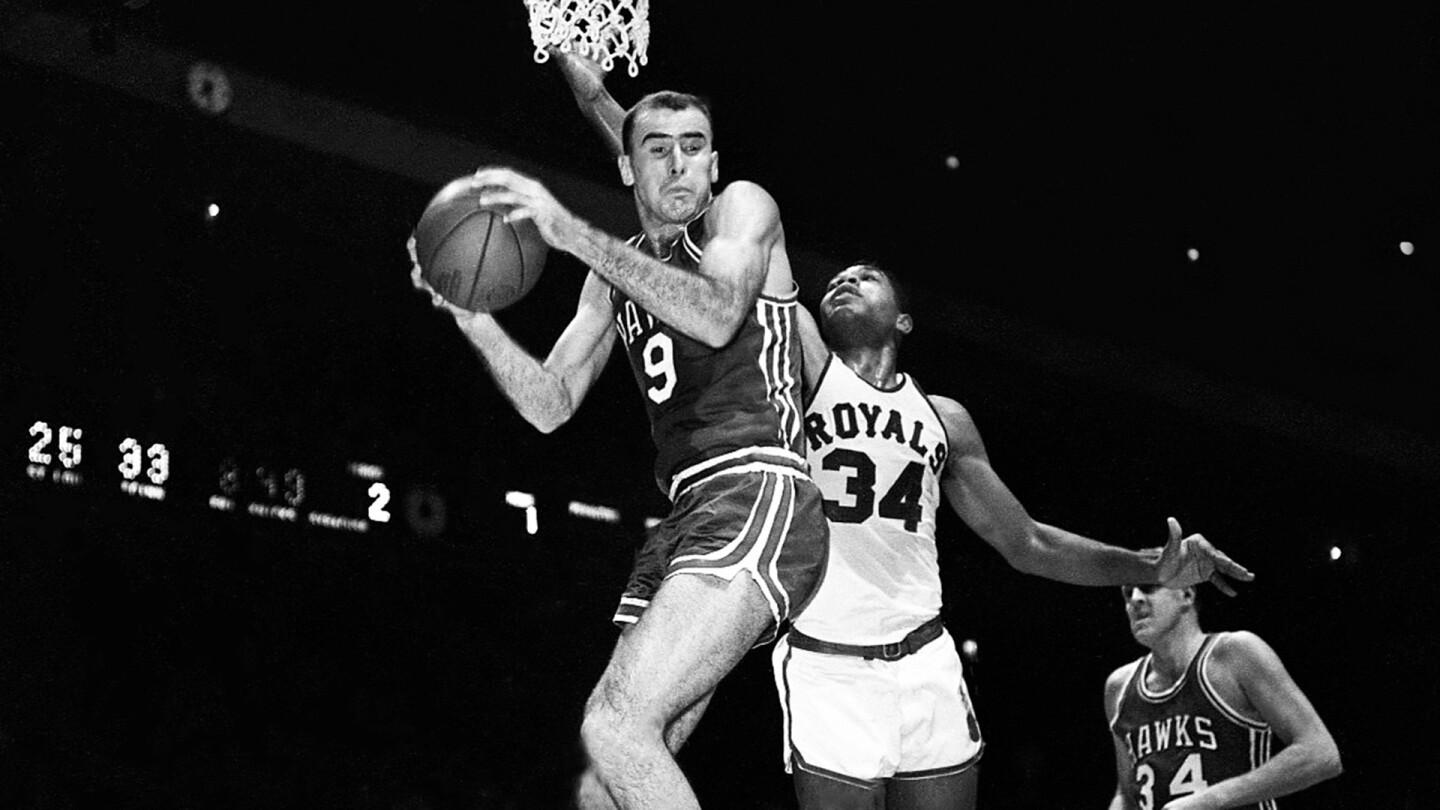
The NBA lost one of its original pillars this week. Bob Pettit, the Hall of Fame forward who became the league’s first MVP and helped shape pro basketball into something bigger than a regional curiosity, died at 93. NBC Sports and Fox Sports both confirmed the news, and across the basketball world the reaction carried a familiar tone: respect, awe, and a reminder that the league’s modern shine sits on foundations built decades ago.
Pettit’s résumé still lands with force even in today’s pace-and-space era. First NBA MVP. Two-time MVP overall. An NBA champion with the St. Louis Hawks. A relentless scorer and rebounder before stat inflation debates became daily programming. He played with a bruising edge and a star’s consistency, long before the league became a year-round content machine. Different era. Same dominance.
That matters.
Because basketball history has a habit of shrinking pioneers into black-and-white clips and trivia questions. Pettit was more than a historical footnote. He was one of the first players who forced the league to understand what a franchise superstar looked like. Production every night. Presence every night. Pressure on opponents every night. The numbers backed it up, but the impact reached further than box scores. Pettit helped drag professional basketball toward legitimacy at a time when the NBA still fought for national attention.
The timing of his passing also hit during a period when the league constantly debates eras, greatness, and how older stars would translate today. Pettit’s name belongs in those conversations whether casual fans realize it or not. His generation played a different brand of basketball, but dominance travels. Winning travels. Competitive obsession definitely travels.
And Pettit won.
The defining image remains the 1958 NBA Finals, when Pettit led the Hawks past the powerhouse Boston Celtics for the franchise’s only championship. That title still echoes through league history because of who stood on the other side. Beating Boston in that era meant surviving basketball royalty. Pettit didn’t blink. The Hawks took the crown, and Pettit cemented himself as one of the sport’s first undeniable stars.
That’s not nostalgia talking. That’s league architecture.
Modern NBA conversations revolve around branding, visibility, and superstar gravity. Pettit helped create the early blueprint. Long before social media clips and signature sneakers turned players into global icons, stars like Pettit carried franchises city to city and built fan loyalty from scratch. The league’s current scale exists because players from that era gave the sport staying power.
The response around basketball reflected that reality this week. Tributes focused not only on Pettit’s accolades, but on his role in helping establish professional basketball’s identity. There’s a reason the phrase “first NBA MVP” still carries weight. First means setting standards before standards exist. First means defining expectations for everyone who follows.
One more thing stands out now: durability of legacy. Basketball changes fast. Schemes evolve. Rules shift. Attention spans disappear by the quarter. Yet certain names survive every cycle because greatness keeps resurfacing no matter how many generations pass. Pettit remains one of those names. His story still connects because it represents a version of basketball built on nightly consistency and competitive force rather than spectacle alone.
Short version? The NBA lost a giant this week.
And the league remembered exactly why he mattered.
Looking Ahead: As training camps and preseason storylines begin to take shape around the league, this week served as a reminder that every new chapter in the NBA still traces back to foundational stars like Bob Pettit. The future always arrives fast in basketball. So does perspective. No noise. Just signal.