
 College Basketball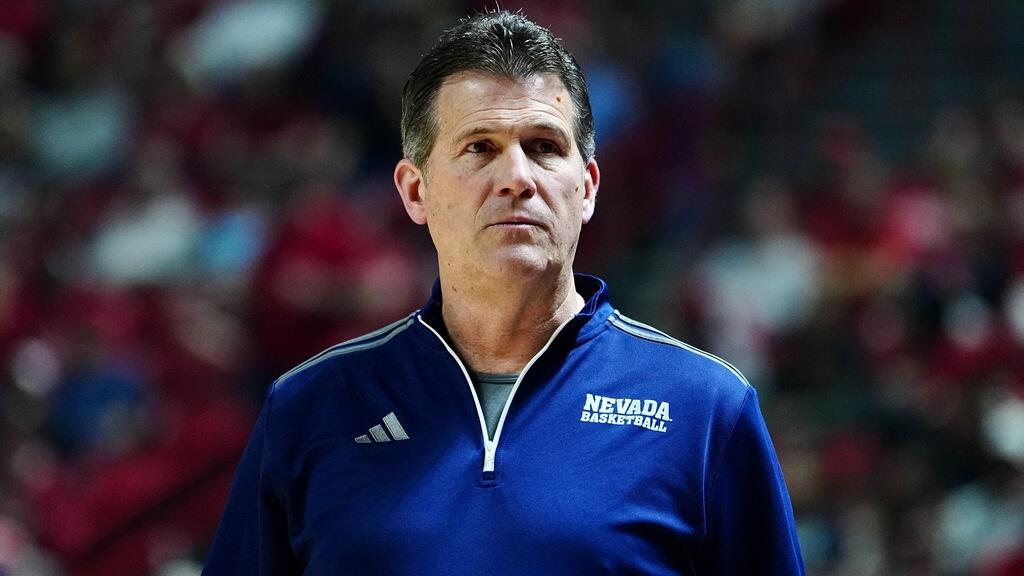
College basketball did not get a buzzer-beater headline this week. It got something heavier. A clock started ticking on one of the sport’s longest coaching runs. CBS Sports reported Nevada coach Steve Alford plans to retire after the 2026-27 season, bringing a 36-year college coaching career to a close. More than 700 wins. Multiple stops. Decades inside one of the most demanding jobs in sports. And now the runway is officially visible.
That changes the conversation around Nevada immediately. Not someday. Right now.
Programs operate differently once a retirement timeline becomes public. Every season becomes part farewell tour, part succession planning, part pressure test. Players feel it. Recruits feel it. Rival programs definitely feel it. The Wolf Pack now move into one of the trickiest balancing acts in college athletics: competing in the present while preparing for a future without the coach who has defined the program’s modern era.
Alford’s career numbers carry weight on their own. More than 700 college victories is not a cute milestone. That is longevity mixed with adaptation. Coaches do not survive 36 years at this level by accident. The sport changes too fast. Recruiting changes. Conference power shifts. Transfer movement accelerates. Expectations get louder. Yet Alford stayed standing through all of it.
And that matters in today’s game more than ever.
College basketball is moving through an identity sprint. Veteran coaches are exiting while schools chase younger hires, transfer-heavy roster construction, and constant reinvention. Stability has become rare currency. Nevada had it. Now the countdown begins on replacing it.
That’s not theory. That’s leverage.
The minute a respected coach announces an endpoint, every conversation around the program changes shape. Assistants become candidates. Donors start looking ahead. Rivals quietly test recruiting ground. Administrators start calculating risk versus continuity. Even if none of that becomes public immediately, it is already happening behind the scenes. That is the reality of modern college basketball.
For Nevada, the challenge now is making sure the final chapter does not become a distraction chapter. Programs can drift once retirement news lands early. Others sharpen. The best farewell seasons become rally points instead of nostalgia tours. The Wolf Pack still have time to shape how this era ends.
And college basketball has seen how quickly momentum swings once transition rumors start floating.
Short windows. Loud consequences.
Alford’s retirement news also lands during a broader generational shift across the sport. Veteran names continue moving toward the exit while athletic departments search for the next sustainable model in a landscape driven by roster turnover and nonstop pressure. Coaches with decades of experience increasingly stand out because there are fewer of them left.
That gives Alford’s exit a bigger context than one school or one season. This is another reminder that college basketball’s old guard keeps shrinking. Programs that once built around long-term identity now live year to year. Continuity used to be expected. Now it feels almost luxurious.
Nevada now gets one final stretch with a coach who built a career sturdy enough to survive every version of this sport. That alone deserves attention. Winning more than 700 games across 36 years means surviving bad seasons, surviving expectation spikes, surviving roster churn, surviving the industry itself. Plenty of coaches enter college basketball with momentum. Very few stay relevant for generations.
There is also something refreshing about clarity. No mystery timeline. No year-to-year speculation. No awkward “wait and see” messaging hanging over the program. CBS Sports laid it out cleanly: the 2026-27 season is expected to be the finish line. In a sport filled with uncertainty, direct timelines still cut through.
The next move matters just as much as the announcement itself. Nevada’s leadership now has time to plan deliberately instead of reacting under pressure. That could become a competitive advantage if handled correctly. Programs usually stumble when transitions become rushed. This one comes with warning lights well in advance.
Looking Ahead: Nevada enters the next phase with clarity but also pressure. The final seasons of long coaching careers rarely stay quiet for long, especially in college basketball. Every result, every recruiting move, every postseason push will now carry extra meaning around the Wolf Pack program. The sport keeps moving. So does the clock. February tightens. March doesn’t wait.