
 Soccer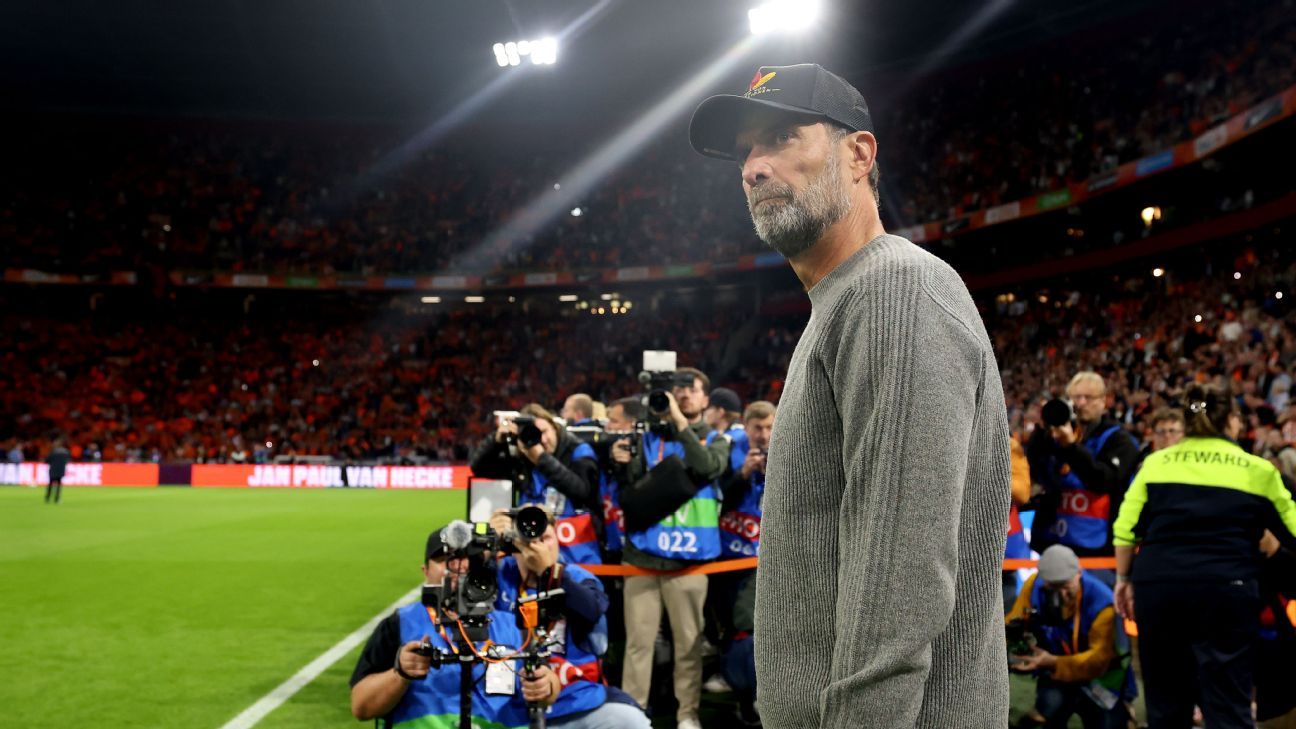
Jürgen Klopp is back in management after 858 days away, and Germany already feels louder because of it. ESPN dropped the headline that mattered all week: Klopp is taking over the national team and doing it his way. The early snapshot came in a 1-1 draw against the Netherlands, but the score almost felt secondary. This was about tone. Tempo. Presence. Germany did not hire Klopp to gently stabilize the room. They hired him to drag one of world soccer’s heavyweight programs back into emotional relevance.
That matters because national teams rarely get long runways anymore. Every match becomes a referendum within minutes. One draw turns into a crisis. One win becomes prophecy. Klopp knows that ecosystem better than most managers alive. ESPN framed the opening performance as a glimpse of what is coming, and that is the real headline. Germany is not searching for a caretaker. Germany is searching for conviction.
Short version? Klopp walked back into the sport and immediately shifted the gravity.
The fascinating part is how quickly the conversation changed. Before the appointment, Germany’s questions felt familiar and stale. Identity. Direction. Energy. The usual giant-program anxiety when results stop matching reputation. Klopp changes the emotional math because his teams historically play with visible intent. Even when imperfect, they rarely look passive. The Netherlands draw showed enough edge to keep the optimism moving without drifting into fantasy territory.
That’s not theory. That’s leverage.
ESPN’s reporting leaned into the idea that Klopp intends to run this on his own terms, which is exactly why this move landed so hard across the soccer world. Big federations often talk about modernizing while simultaneously sanding every sharp edge off the manager they hire. Klopp does not really operate that way. His appeal has always been tied to intensity, clarity, and emotional buy-in. Players either jump into the current or get left standing on the bank.
And Germany needs current right now.
The timing also sharpens the stakes. International soccer has become brutally impatient at the elite level. Heavyweight nations are judged less on long-term construction and more on whether they look dangerous in the present tense. Klopp inherits all of that pressure immediately. Every lineup decision becomes debate fuel. Every tactical tweak becomes national discourse. That is the cost of taking over a program with Germany’s expectations and Klopp’s reputation attached to it.
Still, the early signal matters. A 1-1 draw against the Netherlands is not a parade result, but it also avoided the kind of flat opening that can sour momentum before a project even breathes. ESPN pointed toward visible signs of Klopp’s imprint already emerging, and that is enough to keep anticipation high heading into the next stretch of matches. Germany supporters do not just want victories. They want a team that feels alive again.
That emotional piece cannot be dismissed as fluff. Modern elite soccer runs on psychology as much as tactics. The top national teams carry pressure into every camp, every tournament, every international break. Managers who survive those environments usually create belief before they create silverware. Klopp has built an entire career on that sequence. Convince first. Accelerate second. Win third.
One week in, the temperature around Germany already changed.
There is also the unavoidable reality that Klopp’s return instantly raises the entertainment ceiling for international soccer. Big personalities matter. Managers with defined styles matter. The sport thrives when major programs feel distinctive instead of interchangeable. Germany now has one of the most recognizable coaching identities in the game back on the sideline, and every opponent will feel the noise attached to that.
The pressure, though, cuts both ways. Klopp’s arrival guarantees scrutiny at maximum volume. If Germany surges, the praise machine will sprint. If results wobble, critics will sharpen quickly because expectation follows him everywhere. That is the tradeoff attached to elite-level charisma. The spotlight gets brighter, not softer.
Still, this week belonged to possibility. ESPN captured the sense that Germany’s new era is not aiming for cautious rehabilitation. Klopp’s return is built around force of personality and belief in a clear footballing idea. The Netherlands result did not close the debate. It opened it wider.
Looking Ahead: Germany now moves into the next phase of the Klopp era with every performance carrying amplified meaning. The tactical details will matter, but so will the emotional tone. That is the new reality. Germany hired energy as much as expertise. The next matches will show how fast that transformation can become tangible. February tightens. March doesn’t wait.