
 NBA
NBA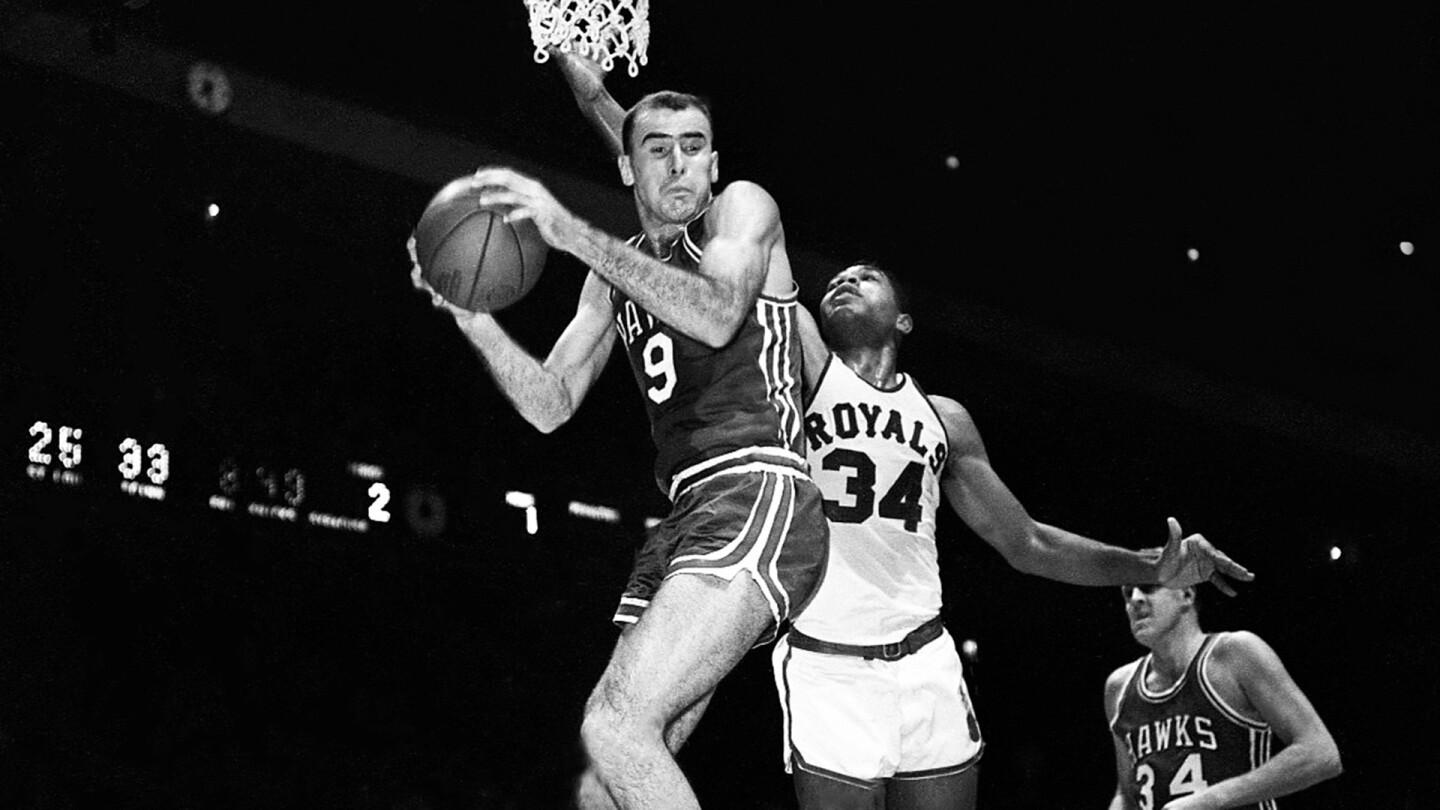
The NBA calendar usually moves at full sprint. Rumors. Training camp noise. Rotation debates before anyone has even broken a sweat that counts. This week hit different. The loudest story in the league was history itself after NBC Sports and Fox Sports confirmed the death of Bob Pettit at age 93. One of basketball’s earliest giants. The first NBA MVP. An imposing Hawks star from a version of the league that still fought for national oxygen.
That matters more than nostalgia.
Pettit’s passing pulled the conversation away from future projections and back toward the foundation of the sport. Modern NBA culture moves fast. Sometimes too fast. New stars arrive before old legends finish getting their flowers. Pettit forced a reset. The league spent the week acknowledging that before the billion-dollar arenas, before the endless content cycle, before every game became a social clip in under 30 seconds, there were players who built legitimacy one hard night at a time.
The phrase “first NBA MVP” carries weight for a reason. The award means dominance now. It meant survival then. Early-era stars did not inherit a polished global machine. They became the machine. Pettit’s era helped drag professional basketball into relevance, and that contribution lands differently when the league pauses long enough to remember it. NBC Sports framed him as an imposing Hawks great. Fox Sports echoed the same point. That word matters too. Imposing. Not decorative. Not symbolic. A force.
And the timing is sharp in its own way.
The modern NBA lives inside a constant argument about legacy. Every season becomes a courtroom. Rings. Awards. Eras. Comparisons stacked on top of comparisons until context disappears entirely. Pettit’s death cut through that noise because it reminded everyone what the early standard looked like. Players from that generation did not have today’s spotlight, money, travel conditions, or year-round media ecosystem. What they had was pressure to prove pro basketball belonged in the American sports conversation at all.
That’s not theory. That’s leverage.
The Hawks organization sits at the center of this week’s emotional gravity because Pettit remains inseparable from the franchise’s historical identity. Even as the NBA evolved into a perimeter-driven entertainment giant, names like Pettit stayed attached to the league’s backbone. His presence connected generations of Hawks basketball, from the grainy black-and-white years to today’s hyper-produced league presentation. Fans often treat franchise history like optional reading until a moment like this arrives and reminds everyone how much institutional memory matters.
Short week. Heavy news.
The reaction around the league also reflected something increasingly rare in modern sports discourse: universal respect without qualifiers. No debate packaging. No manufactured split-screen argument. Just acknowledgment. The first MVP is part of the architecture of the sport. Period. The NBA has become exceptional at celebrating the future, but this week became a reminder that honoring the past still resonates deeply across eras.
There is also a bigger basketball truth sitting underneath all of this. Great leagues survive because their stories survive. The NBA’s current dominance did not appear overnight. It came from decades of players creating standards before the league had the commercial power it now flexes effortlessly. Pettit belonged to that first wave of credibility builders. Every generation since has benefited from the work of players who carried the game before the spotlight fully arrived.
That’s the connective tissue people forget.
Modern stars inherit a global stage because earlier legends created demand for the product itself. Pettit’s era helped establish professional basketball as appointment viewing long before social media clips and nonstop highlights accelerated the game’s popularity. Even now, as teams prepare for another season driven by championship pressure and superstar expectations, this week became less about what comes next and more about who helped make “next” possible in the first place.
Looking Ahead: The league will soon pivot back toward training camp intensity, roster battles, and early contender talk. That machine never stops for long. But this week leaves a pause worth carrying forward. The NBA lost one of its foundational figures. The game kept moving, because it always does, but it also looked backward for a moment and recognized the shoulders underneath the spotlight. October approaches fast. History still travels with it.