
 Golf
Golf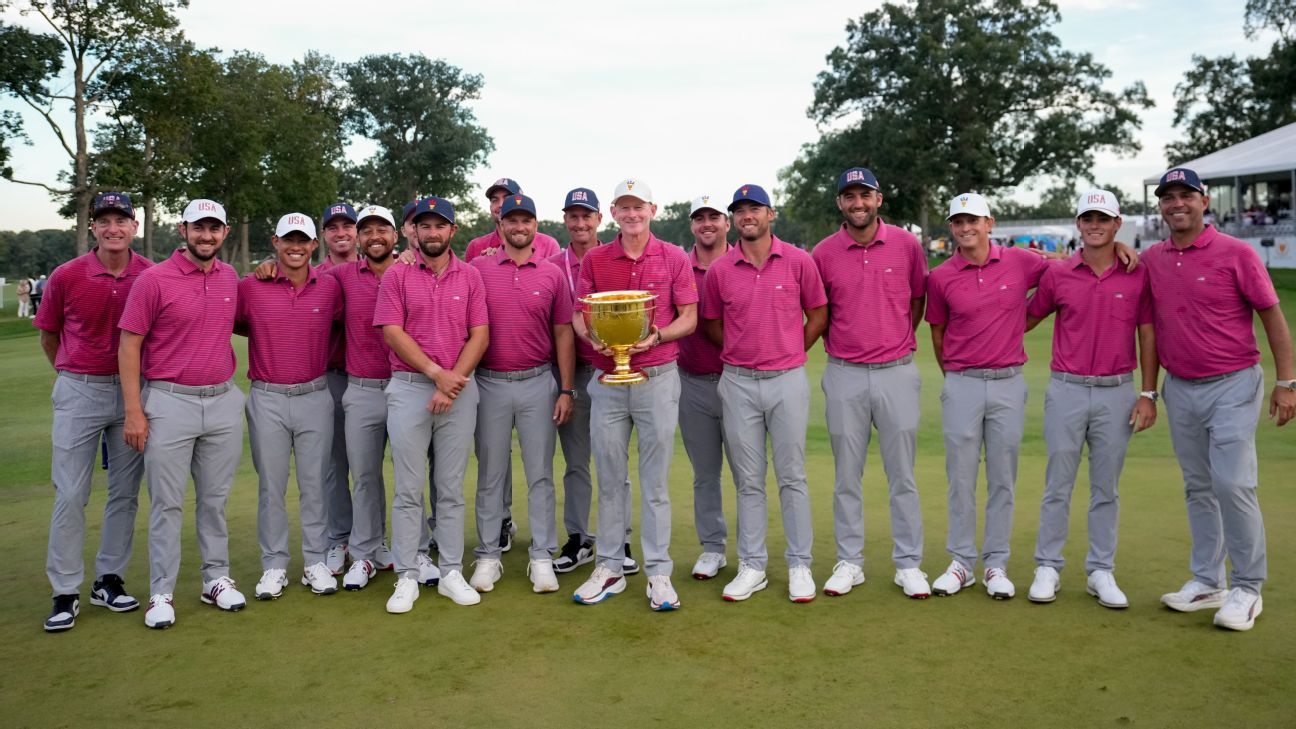
The United States walked out of the Presidents Cup with another win, but the real story was the way it happened. ESPN focused on the comeback, the pressure swings, and the players who answered late when the margin got thin. That matters. Team golf does not hand out style points. It exposes depth, nerve, and how quickly momentum can flip when every shot suddenly carries national weight.
The comeback angle jumps off the page because these events usually turn into emotional avalanches. One side grabs control, the crowd leans harder, and matches start disappearing in clusters. The U.S. avoided that spiral. Instead, the team found another gear when the event tightened. ESPN framed it around key moments and players stepping up at the exact right time, and that is the part that sticks moving forward. Not just talent. Timing.
That’s not theory. That’s leverage.
The bigger takeaway is the growing expectation around the American side in team competition. Winning is no longer the headline by itself. The standard has shifted toward how convincingly the group handles pressure and whether the roster can survive rough stretches without cracking. The Presidents Cup has become another checkpoint in that conversation. A comeback win reinforces the idea that the current U.S. pipeline is built for volatility, not just clean starts.
Short putts feel heavier in these events. Every tee shot suddenly has an audience reaction attached to it. ESPN highlighted the emotional swings tied to the rally, and that emotional management is becoming just as important as ball striking. The modern version of elite golf is not only about stacking birdies on Thursday afternoons. It is about absorbing chaos on Sunday with teammates staring from the ropes and momentum changing every 15 minutes.
That pressure creates separation fast.
The international side still pushed this thing into uncomfortable territory, and that matters too. A comeback only becomes meaningful if the opponent forces the issue. The Presidents Cup has spent years trying to shake the idea that the outcome feels inevitable before the first tee shot. A competitive event changes the temperature around the entire format. It creates urgency. It creates rivalry heat. Most importantly, it creates memory. Fans remember momentum swings. They remember tension. They remember teams looking vulnerable before finding answers.
The U.S. found answers again.
And now comes the part that really matters for the sport: sustainability. Team events thrive when both sides believe the margin is closing. ESPN’s reporting leaned into what the comeback says about the future, and the answer is layered. For the Americans, it reinforces confidence in the structure already in place. For everyone else, it sharpens the challenge. The gap is not impossible to close, but the pressure required to finish these events off against the U.S. remains enormous.
That changes strategy. It changes roster conversations. It changes how players are evaluated beyond weekly tour stops. Team chemistry used to sound like filler language tossed around during practice rounds. Not anymore. These events are exposing how quickly confidence can spread through an entire lineup. One clutch stretch shifts energy across the board. One collapse does the same thing in reverse.
There is also a visibility factor here that golf never ignores, even if it pretends otherwise. Team events pull in casual fans because the emotional stakes are cleaner. Red versus blue. Momentum versus panic. One side charging. The other trying to stop the bleeding. The Presidents Cup delivered enough tension to keep that formula alive for another cycle. That is a win for everybody connected to the event.
And there is a subtle pressure point hanging over all of it now. Expectations move fast in golf. Once a team proves it can rally under stress, every future deficit gets judged against that standard. Every captain decision gets second-guessed through the lens of previous comebacks. Every opponent understands that finishing the job against the U.S. requires sustained control, not just one hot session.
That’s where this result carries weight beyond a trophy photo.
The Americans did not just win another Presidents Cup. They reinforced the identity attached to this era of team golf: resilient, deep, and difficult to bury when momentum starts tilting. ESPN captured the mechanics of the comeback. The larger meaning sits underneath it. The U.S. continues to operate like a team expecting pressure instead of fearing it.
Looking Ahead: The next stretch of global team golf conversation now shifts toward whether international squads can turn competitiveness into closure. Close is interesting. Finishing changes history. The calendar keeps moving, and so does the pressure. No noise. Just signal.