
 NBA
NBA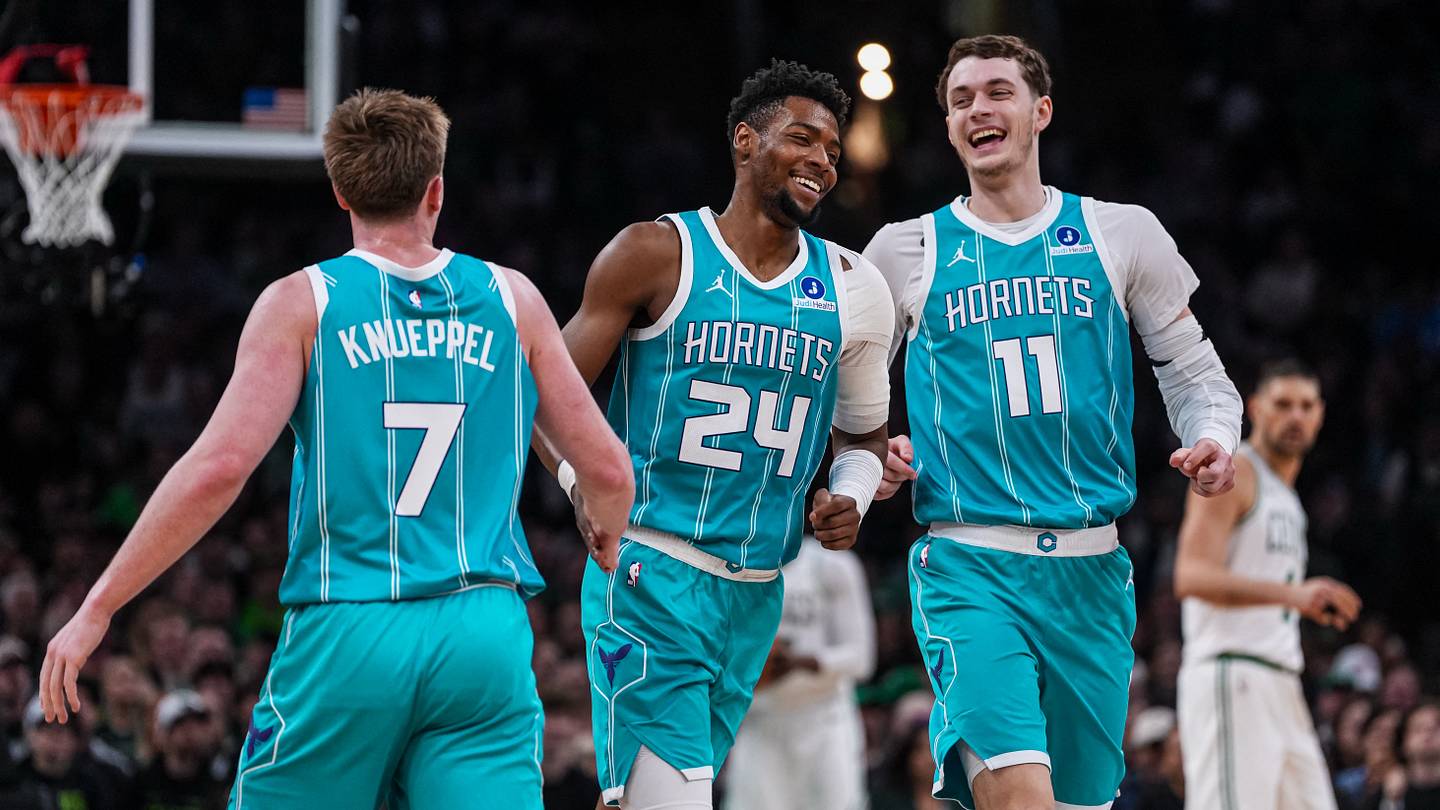
The NBA calendar never really sleeps. One headline lands, one expectation changes, and suddenly a young player goes from “future piece” to centerpiece. That was the temperature around Brandon Miller this week after Sports Illustrated examined what still stands between the Hornets forward and true No. 1 option status on a winning team. Not a highlight debate. Not a potential debate. Winning. Different weight class.
That matters because the league eventually stops grading young stars on flashes. The conversation shifts to control. Can the offense run through him late? Can defenses tilt toward him every night without breaking his rhythm? Can a franchise build meaningful games around his decisions instead of just his scoring talent? Those are the questions now sitting on Miller’s desk.
And that shift tells the real story.
Charlotte does not need another intriguing scorer. The Hornets need direction. Sports Illustrated framed the challenge clearly: if Miller wants to become the lead option on a serious team, the production has to connect to winning habits and nightly command. That is where promising players either climb into another tier or stall out in the middle of the league’s crowded talent pool.
The pressure is different when defenses expect you. Different when every possession bends toward you. Different when losses start attaching themselves to the face of the franchise.
That is not punishment. That is the job.
The timing of the conversation is important too. Around the NBA, teams are getting less patient with long rebuild arcs that never harden into identity. Front offices want stars who accelerate timelines, not just decorate them. Miller’s development now carries organizational gravity. Every leap matters more because Charlotte needs clarity on what its ceiling actually is.
Sports Illustrated did not present the situation as doom or doubt. The tone was challenge. There is still obvious belief in Miller’s talent, but talent alone does not secure contention. The league is full of players who could score. The truly valuable names force structure onto games. They steady offenses when spacing shrinks. They create reliable advantages instead of occasional explosions.
That is where Miller’s next stage begins.
The interesting part is how quickly perception changes in the NBA. A young player spends years being praised for upside, then one season later the conversation becomes responsibility, leadership, and efficiency under pressure. The runway shortens. The microscope sharpens. Fair or not, that is the cost of being viewed as foundational.
And make no mistake, Charlotte’s future discussions are orbiting that exact idea.
**Potential gets attention. Winning keeps the lights on.**
The Hornets are not searching for a sidekick story here. They are searching for proof that a lead option can emerge from the current core. Sports Illustrated’s focus on Miller carried that underlying tension throughout: this is less about aesthetics and more about sustainability. Can he become the kind of player who raises the floor of the franchise every night instead of only lifting the ceiling in flashes?
That is the separator in today’s NBA. Consistency has become currency. Teams chasing relevance cannot afford stars who disappear between bursts of brilliance. They need dependable pressure creators. They need players who absorb defensive game plans and still dictate tempo. That expectation now follows Miller whether he wants it or not.
There is also a broader league reality at play. The Eastern Conference does not hand out development years forever. Teams that linger too long in “maybe later” territory usually get trapped there. Charlotte’s urgency may not sound loud publicly, but it exists. Young cores eventually face a defining question: are they building toward something real, or just collecting hopeful moments?
Miller sits directly in the middle of that answer.
**That is not theory. That is leverage.**
The next phase for him is less about proving he belongs in the NBA and more about proving he can bend a franchise upward. Those are entirely different standards. One gets players drafted high. The other changes the trajectory of organizations.
This week’s conversation around Miller felt important because it acknowledged that transition openly. No hiding behind youth. No endless patience language. Just the reality that Charlotte eventually needs a player capable of driving winning basketball instead of simply promising it someday.
And honestly, that is where the league becomes interesting. Expectations create clarity. The noise fades. What remains is whether a player can carry responsibility when defenses tighten and possessions matter.
Looking Ahead: The Hornets now move into a stretch where evaluation matters as much as results. Every strong performance from Brandon Miller will be measured through a bigger lens than before: not talent alone, but command, consistency, and whether winning basketball follows with it. February tightens. March does not wait.