
 College Football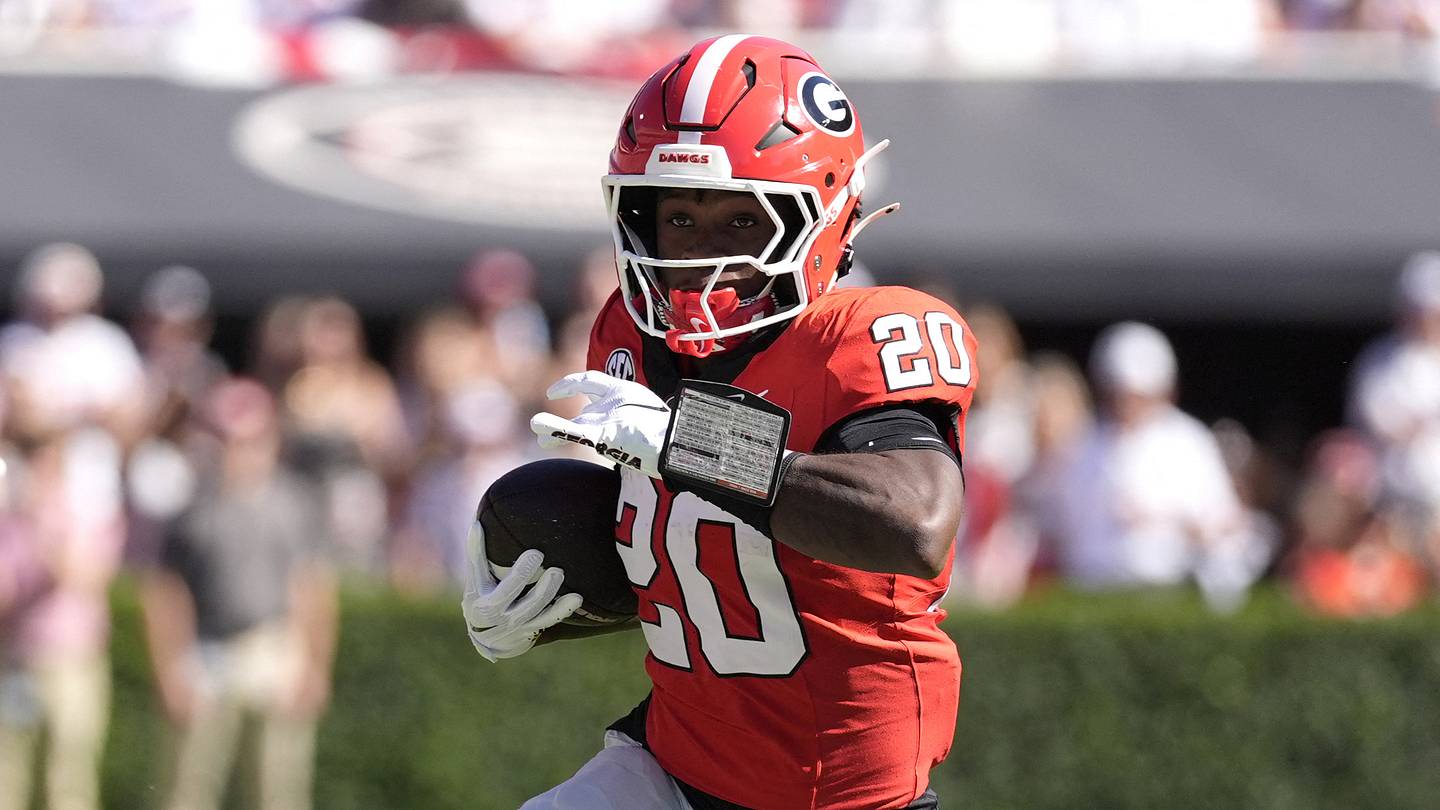
College football loves instant impact. Five-star freshmen arrive with camera crews. Transfers get graphics before they get locker assignments. Every depth chart move becomes a referendum by Tuesday morning. Then a story like Georgia’s running back breakthrough lands and reminds everyone that development still wins games in this sport.
Sports Illustrated spotlighted a Georgia running back finally getting his moment after waiting through the usual traffic jam that exists inside one of college football’s deepest programs. That matters beyond one carry total or one stat line. Georgia’s roster machine has become so stacked that patience itself feels rare. Young players either explode immediately or fans start scanning the portal rumors. This week pushed back on that cycle.
The Bulldogs have built a national identity around attrition football. Fresh legs. Relentless rotations. Bodies everywhere. A running back room at Georgia is not built for easy headlines because touches are earned in layers. Practice reps. Pass protection trust. Ball security. Physicality. Coaches in Athens do not hand over meaningful carries because recruiting rankings demand it. The player featured by Sports Illustrated stayed in the fight long enough to finally break through. In today’s game, that almost feels old school.
And old school still works.
That is the tension hanging over modern college football right now. The transfer portal changed timelines. NIL changed leverage. Fan pressure changed patience. But the elite programs still value internal growth because championship-level football eventually exposes shortcuts. Georgia has lived there for years. The roster churns. Expectations stay brutal. Yet the standard remains the same: earn it.
That’s not theory. That’s leverage.
The timing matters too. Late September is where depth stops being a luxury and starts becoming survival. Bodies wear down. SEC schedules tighten. Rotations become critical. A running back emerging now can shift the entire shape of a season because Georgia does not need one star carrying 30 touches every week. The Bulldogs need waves. Fresh power in the fourth quarter. Another runner defenses have not fully prepared for. One breakthrough can ripple across an offense fast.
Short-yardage snaps suddenly stabilize. Explosive-play pressure spreads wider. Defensive coordinators lose clean tendencies. Georgia has made a living off that kind of cumulative stress.
This is also where powerhouse programs separate from the highlight economy surrounding college football. The internet rewards flash. Coaches reward reliability. Georgia’s staff clearly believed this moment would come eventually, and the Sports Illustrated feature carried the tone of a player finally cashing in months or years of quiet work. No dramatic reinvention. No emergency roster move. Just persistence finally meeting opportunity.
That still resonates inside locker rooms.
Around the country, players are constantly weighing whether to stay or leave. Depth charts shift weekly. Backup players with talent rarely stay invisible for long anymore. Georgia getting a payoff story from a player who stayed patient sends a message that elite development pipelines still exist for athletes willing to wait through crowded rooms. That may not trend as loudly as portal movement, but coaches notice it. Recruits notice it too.
The bigger football angle is simple: Georgia remains built to absorb pressure. The Bulldogs do not rely on one answer offensively. They recruit enough talent to survive injuries, slumps, and grind-it-out conference games that flatten thinner rosters by midseason. A running back finding traction now strengthens that identity at exactly the right time.
And make no mistake, the SEC race does not care about sentiment. Every week turns into collision football once the calendar flips deeper into conference play. Teams with functional depth survive. Teams leaning too heavily on stars eventually crack. Georgia’s ability to uncover another trusted contributor in the backfield could become one of those small September developments that suddenly looks massive in November.
One player’s moment. One program’s philosophy.
That combination defined the week.
The Sports Illustrated story did not need oversized drama because the football truth underneath it already carried weight. Georgia’s culture remains centered on competition and delayed gratification in an era obsessed with immediate returns. Players still have to fight through stacked position rooms. Coaches still prioritize trust. And when somebody finally breaks through, it means something because nothing there comes easy.
Looking Ahead: Georgia now moves into the stretch where depth becomes weekly currency. If this emerging running back role continues growing, the Bulldogs gain another layer in an offense designed to wear teams down over four quarters. September creates opportunities. October cashes the checks. If you missed it, you’re behind.