
 NHL
NHL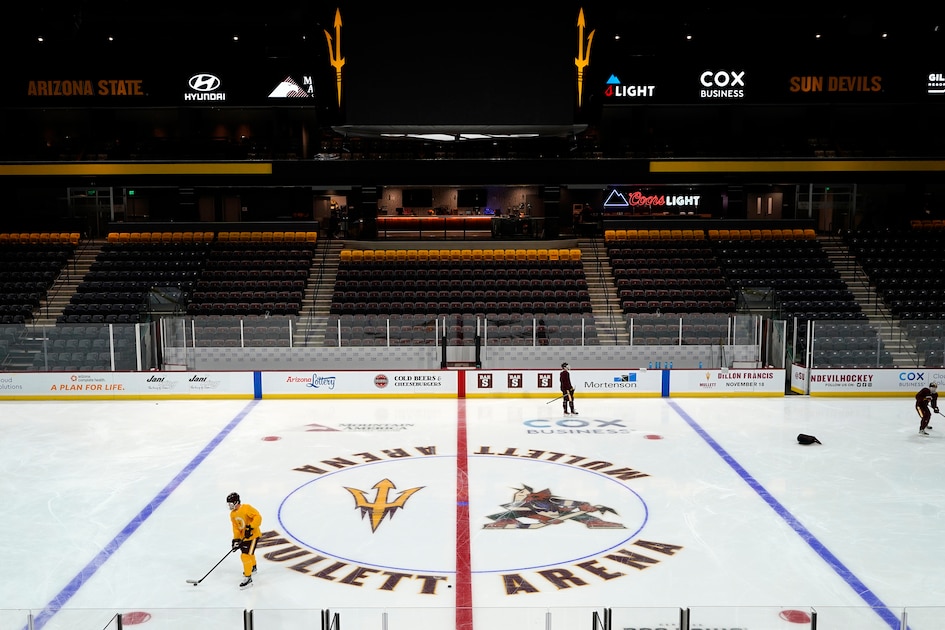
Hockey usually loves speed. Fast shifts. Fast answers. Move the puck, move the story, onto the next game. This week did not move like that. The loudest conversation around the sport came out of Tempe, where seven Arizona State hockey players sent a letter to school president Michael Crow regarding the collapse of a teammate, a story first circulated through reporting highlighted by Bleacher Report and Fox Sports. No scoreboard attached. No standings angle. Just a serious moment that immediately pushed player welfare and institutional accountability to center ice.
That changes the rhythm around the sport fast.
The details publicly available remain limited, and that matters. There is still a great deal unfolding around the situation itself. But the fact that multiple players chose to formally address university leadership tells its own story. Hockey culture has long celebrated toughness, silence, and internal handling of problems. Players rarely move collectively unless something has crossed a line internally. When athletes decide the issue belongs on the president’s desk, the temperature changes.
This is not noise around a random midweek headline. It is pressure.
Bleacher Report’s coverage, citing the Associated Press account from Tempe, noted that seven members of the Arizona State program sent the letter tied to the teammate’s collapse. Fox Sports carried the same reporting thread. Neither report leaned into speculation, and neither should anybody else. But even without full public detail, the broader implications are obvious. Programs across hockey — college and professional alike — operate inside a world where medical response, player trust, and transparency are under heavier scrutiny than ever. That scrutiny does not disappear because the games get louder.
And hockey has entered an era where players increasingly understand their leverage.
That’s not theory. That’s leverage.
Athletes speaking directly to leadership creates a different kind of pressure point than social media outrage or outside commentary. It forces institutions to answer internally first. It also shifts the conversation from rumor toward process: how teams respond during emergencies, how communication flows afterward, and whether players believe they are being heard. Those questions land hard in a sport built on closed doors and tight locker rooms.
The timing matters too. Early-season hockey energy is supposed to be about optimism. Rosters taking shape. Young players fighting for roles. Coaches searching for chemistry before the grind settles in. Instead, this story cut through the usual cycle because it touched something bigger than results. Hockey can handle criticism about systems or line combinations. Questions around player safety and institutional confidence hit differently.
Short bench for excuses now.
What makes this especially notable is the collective nature of the response. One player speaking out can be isolated. Seven names attached to a formal letter carries weight. It signals alignment inside the room, or at minimum a shared concern strong enough to move beyond private conversation. In any hockey environment, that matters. Locker rooms are ecosystems built on trust. Once players feel compelled to escalate concerns publicly or administratively, everybody notices.
College hockey also sits in a uniquely intense position right now. The sport continues growing nationally, with programs investing heavily in facilities, visibility, and recruiting reach. Arizona State has been one of the clearest examples of that ambition over the past several years. Expansion-level energy. Major-conference aspirations. Increased spotlight. With visibility comes another layer of accountability, especially in moments involving player health and program response.
And make no mistake, the broader hockey world watches these situations closely. Coaches watch. Parents watch. Recruits definitely watch. The way institutions respond during difficult moments often tells athletes more than any recruiting pitch ever could. Competitive programs want trust as part of their identity. Once trust becomes part of the public conversation, the stakes rise quickly.
The reporting from Fox Sports and Bleacher Report remained measured, which is the right lane while more information emerges. No rush to overstate. No manufactured drama. But the existence of the letter itself already made this one of the most consequential hockey stories of the week because it forced attention toward the human side of the sport. Not systems. Not power plays. People.
That lands harder than a highlight reel.
Looking Ahead: more clarity will likely determine where this story moves next, but the central issue is already established. Players want confidence in the environments around them, especially when health and emergency response enter the picture. Hockey institutions know the spotlight does not blink anymore once concerns become public. The game keeps moving, but this conversation is not fading quietly. October approaches. Pressure stays on.