
 Golf
Golf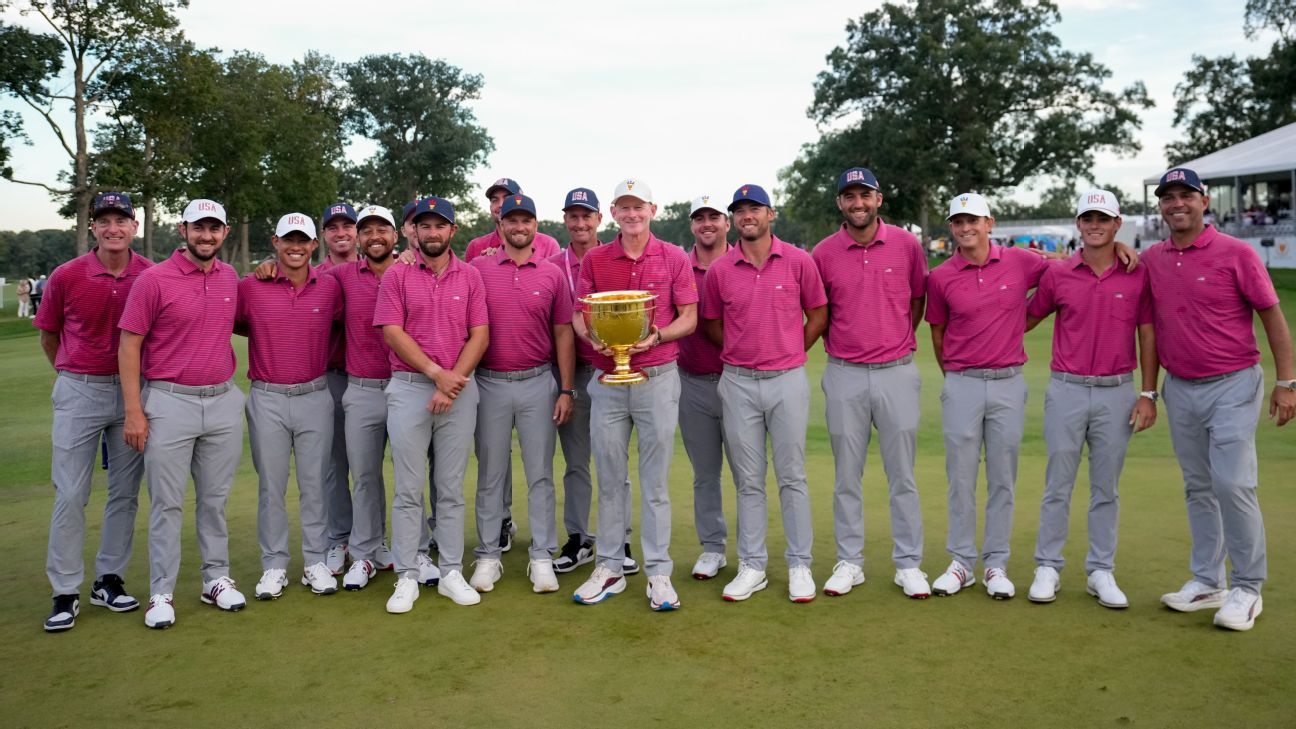
The Presidents Cup had the tension. The noise. The creeping feeling that the United States might finally get dragged into a real heavyweight fight deep into Sunday. Then the Americans did what elite teams do when the temperature spikes: they tightened the screws and took over the match. ESPN broke down the comeback and the key moments that swung the event, but the bigger takeaway sat underneath the scoreboard. This was not just another U.S. win. It was a reminder that the gap in top-end firepower still matters when pressure gets expensive.
The event turned on momentum swings and composure. Early uncertainty gave the International side a real opening, and for stretches this looked less like routine American control and more like a team searching for rhythm. Then the response arrived. Players stepped up in the exact spots where these events are usually decided: late-match execution, clutch putting, and refusing to hand away holes with mistakes. That combination flipped the emotional center of the Cup. One side tightened up. The other started hunting.
That’s not theory. That’s leverage.
ESPN focused on how the United States stabilized itself after falling behind, and that piece matters because these team events expose everything. Depth. Nerves. Leadership. Pairings. Energy. There is nowhere to hide when every hole swings momentum for an entire bench. The U.S. found answers quickly enough to stop panic from becoming narrative. Once the Americans regained footing, the pressure shifted completely onto the International side to answer punch after punch.
And that’s the lingering reality around this event. The International team continues to show flashes capable of making the Presidents Cup compelling, even dangerous for stretches. But the Americans still own the closing gear. When the tournament narrowed into decisive moments, the U.S. side trusted its stars, trusted experience, and played like a group that expected to win. That expectation changes everything. Teams either carry pressure or transfer it. The Americans transferred it.
Short putts suddenly felt longer for the opposition. Fairways tightened. Every missed opportunity carried extra weight because the U.S. lineup kept applying pressure instead of giving holes back. That cumulative effect is brutal in match play. Momentum becomes oxygen. Once the Americans grabbed it, they looked faster, looser, more aggressive. The comeback stopped feeling surprising and started feeling inevitable.
Big events usually leave one defining question behind. This one leaves two. First: can the International side turn competitive stretches into a complete week before momentum slips away again? Second: how long can the United States continue leaning on superior depth and proven closers before the field catches up? Right now, the answer to the second question still feels simple. The Americans remain the standard until somebody finishes the job against them over four full days.
One hot session can spark hope. Sustained execution wins Cups.
There is also a larger ripple effect hanging over the result. Team golf carries emotional residue into the broader calendar. Confidence travels. Players leave these weeks either feeling battle-tested or carrying missed chances into the offseason grind. The U.S. side exits with reinforcement that its structure still works under pressure. The International team leaves with another reminder that close is not the same as complete. In elite golf, that distinction can define entire eras.
The comeback itself matters because it avoided something the Americans desperately wanted to dodge: vulnerability becoming storyline. A flat finish would have fueled questions about chemistry, urgency, and whether the rest of the world was finally shrinking the competitive gap in these events. Instead, the U.S. walked away with a familiar image attached to the trophy — resilient, deep, and dangerous once momentum tilts in its direction. That image still carries weight every time elite players gather in team competition.
And the timing matters. Golf’s calendar never really sleeps anymore. Every marquee event becomes part of a larger argument about hierarchy, consistency, and who controls the sport’s biggest stages. The Presidents Cup added another chapter to that discussion. The Americans did not play perfect golf all week. They simply played their best golf when the event demanded it most. There is a difference. Championship teams understand that difference instinctively.
Looking Ahead: The fallout from the Presidents Cup will linger as players reset for the next stretch of the global schedule. Confidence swings matter in this sport, especially entering high-pressure events where momentum and chemistry can carry over fast. The United States leaves with validation. The International side leaves searching for the final step from threat to finisher. Golf moves quickly. Expectations move even faster.