
 Golf
Golf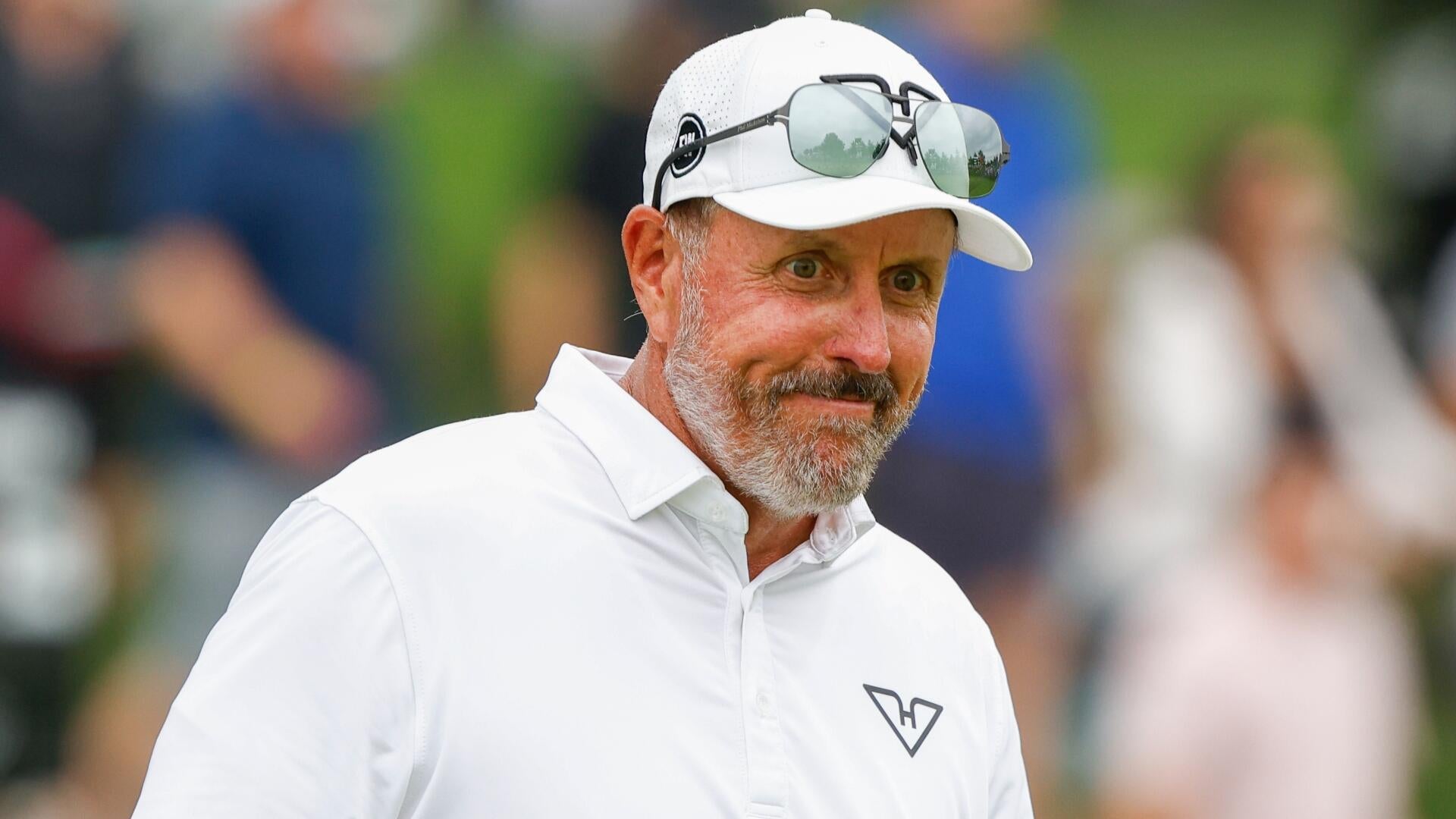
Some weeks in golf hit with fireworks. Some arrive with silence that carries more weight than a final-round roar on Sunday afternoon. This one landed in the second category.
CBS Sports reported that Phil Mickelson spent time earlier this year at a treatment facility while dealing with family trauma and addiction, playing in just one LIV Golf event during that stretch. The news immediately shifted the tone around one of the sport’s most polarizing and accomplished figures. Not because of a comeback. Not because of a trophy chase. Because for once, the conversation around Mickelson moved beyond leverage, tours, contracts, and headlines built for debate TV.
Golf has spent years orbiting around Mickelson’s every move. PGA Tour loyalists versus LIV defectors. Legacy arguments. Business arguments. Endless noise. This story cut through all of it. Human first. Golfer second.
That changes the temperature around everything connected to him.
Mickelson has always occupied a strange space in modern golf. Six major championships. Hall of Fame résumé. Massive influence on the LIV era whether fans liked it or not. He became both a catalyst and a lightning rod at the exact same time. Every appearance carried tension. Every quote became ammunition for one side or the other.
Now the lens is different.
CBS Sports noted that Mickelson stepped away while seeking treatment, and that absence suddenly reads less like competitive decline and more like a personal reckoning happening away from cameras. In a sport built on relentless visibility, where image management can feel almost as important as ball striking, stepping away matters. Particularly for a player who has rarely lived quietly.
That’s not theory. That’s gravity.
The timing also lands at an interesting point for professional golf. LIV Golf still fights for relevance in the broader sports landscape, trying to maintain momentum while the larger ecosystem waits for clarity around the future relationship between tours. Mickelson was one of the faces that gave LIV instant attention. His presence brought eyeballs, criticism, and legitimacy depending on who was talking. When a figure that central disappears from regular competition, people notice.
And they noticed this week.
The story does not suddenly erase the criticism that has followed Mickelson through the last several years. It does not rewrite the fractures inside professional golf. It does, however, force a more nuanced conversation around a player often reduced to caricature. The gambler. The disruptor. The salesman. The villain. The icon. Pick whichever label fit the argument of the day.
This week reminded everyone that public personas rarely tell the whole story.
Golf, maybe more than any major sport, has long sold the illusion of control. Calm swing. Calm mind. Precision under pressure. The image matters. That’s part of why this report resonated so sharply. Addiction and family trauma do not care about résumés, green jackets, private jets, or endorsement histories. They flatten the mythology quickly.
One-line scorecards suddenly feel pretty small.
There is also a competitive reality sitting underneath all of this. Mickelson’s reduced LIV participation this year naturally raised questions about where his game stood and what his long-term future might look like inside elite competition. Now there is context. Not complete answers. But context. And context changes how absence gets interpreted.
Professional golf is in a strange era where availability itself has become part of the story. Fans want stars visible. Tours need stars visible. Media ecosystems feed on stars being visible every week. Mickelson stepping away created a vacuum because, love him or dislike him, he still moves the conversation. Even now.
That kind of influence does not disappear overnight.
The bigger takeaway from the week is less about leaderboard movement and more about how golf handles vulnerability from major figures. Historically, the sport has preferred polish. Clean branding. Controlled narratives. Quiet struggles handled privately and rarely discussed publicly unless absolutely necessary. The CBS Sports report cut through that old-school instinct.
And honestly, the reaction around the sport felt more measured than cynical.
That matters too.
There is no confirmed timetable attached to what comes next competitively for Mickelson beyond the acknowledgment that he sought treatment earlier this year. The details beyond that remain limited. Which is probably appropriate. Speculation has surrounded him for years; this story does not need more of it layered on top.
Instead, the golf world heads into the next stretch with a rare pause in the noise cycle. No manufactured rivalry needed. No social-media proxy wars. Just the recognition that one of the game’s biggest names hit a point where stepping away became necessary.
Looking Ahead: Golf now waits to see when Mickelson fully re-enters the competitive spotlight and what version of him returns when he does. The larger tour battles will continue. The debates will continue. They always do. But this week carried a different kind of significance. Less transactional. More personal. The calendar keeps moving anyway. Fall golf doesn’t stop for anybody.
No noise. Just signal.