
 College Basketball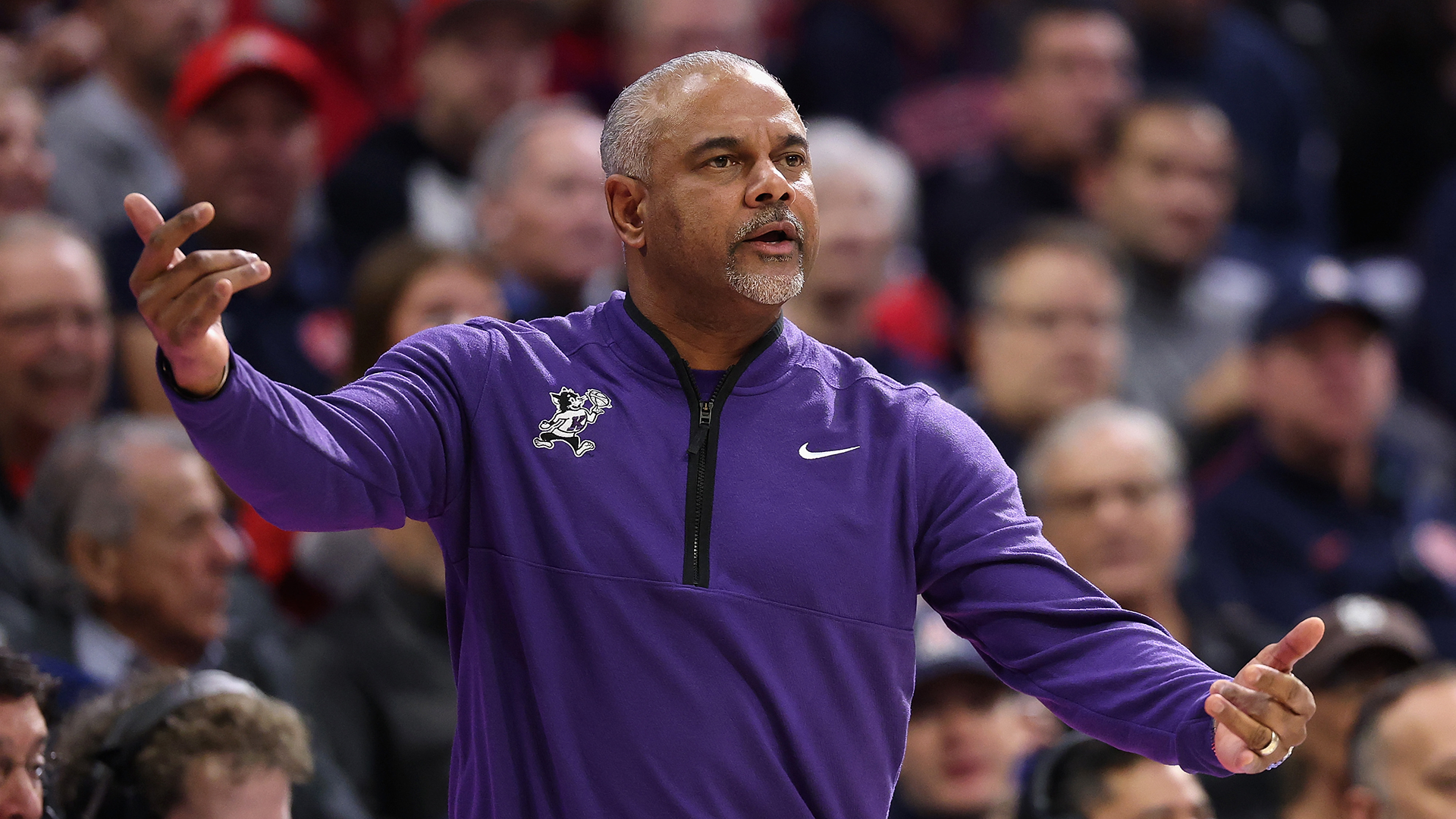
College basketball usually saves the real chaos for March. This week, October delivered its own version. Kansas State and Jerome Tang are reportedly nearing a roughly $12 million settlement after the school fired the coach for cause, using a postgame rant as justification to avoid an $18 million buyout, CBS Sports reported. That is not a routine coaching divorce. That is a public collision over language, leverage, and how aggressively schools are willing to fight expensive contracts in the NIL era.
The number jumps off the page first. Twelve million dollars is still enormous money even if it lands below the original buyout figure tied to Tang’s deal. But the bigger takeaway lives underneath the accounting. Kansas State reportedly believed it had grounds to terminate Tang for cause after comments made following a game. Tang’s side clearly pushed back hard enough to move this toward a negotiated settlement instead of a clean institutional victory. In modern college athletics, that matters. Schools are paying coaches superstar money while also absorbing ballooning costs tied to athlete compensation, facilities, collectives, and conference pressure. Every contract fight now feels bigger than one sideline.
And every word suddenly carries legal weight.
Tang’s rise at Kansas State made him one of the more visible personalities in the sport. The energy. The emotion. The directness. Those qualities helped define his public image. They also became central to the dispute that now hangs over the program. CBS Sports noted the university used a postgame rant as the basis for the for-cause firing argument. That turns this story into more than a buyout negotiation. It becomes a test case for where schools draw the line between emotional leadership and conduct they believe crosses into contractual territory.
That is where college basketball keeps changing in plain sight. Athletic departments once treated giant coaching contracts like unavoidable costs of competing at the highest level. Fire the coach, write the check, move on. Cleaner that way. Now? Universities are looking harder at escape hatches. The money is too massive. The pressure is too constant. The margin for patience keeps shrinking.
That’s not theory. That’s leverage.
The timing also lands awkwardly for Kansas State basketball itself. Programs already operate year-round now. Recruiting never cools off. Retention battles never stop. Booster confidence matters every month, not just during tournament season. A public dispute tied to a former coach’s dismissal creates noise whether schools want it or not. Recruits notice. Rival fan bases notice faster. And inside the sport, coaches definitely notice. Every agent negotiating a future contract is watching how aggressively universities challenge buyout obligations when relationships collapse.
Short version: this was not just a local story.
It echoed through the profession.
The CBS Sports report framed the settlement as nearing completion, which suggests both sides may prefer closure over a prolonged legal fight. That makes sense. Discovery battles and drawn-out courtroom disputes tend to drag damaging details into public view for everyone involved. A settlement, even a massive one, can become the cleaner exit lane. But even if paperwork closes this chapter, the ripple effects stay alive. Coaches around the country now have another example of how quickly institutional support can turn into contractual warfare. Athletic departments have another example of a school attempting to reduce financial exposure after a firing.
There is also the reality that college basketball’s emotional culture has always lived close to the edge. Postgame podiums are built for intensity. Coaches are judged in real time. Every answer gets clipped, reposted, debated, and weaponized online within minutes. The difference now is the financial ecosystem attached to every public moment. One rant can become evidence. One emotional reaction can become a legal argument attached to eight figures.
That changes behavior.
Or at least it should.
Kansas State now moves forward carrying both competitive and reputational questions. The next steps for the program matter because perception matters. Stability matters. Schools sell vision almost as much as wins now. Meanwhile, Tang’s future will naturally draw interest because coaches with major-program experience rarely disappear from the conversation for long, especially in a sport that constantly recycles proven personalities. But until the reported settlement becomes official, much of the final picture still sits in the details.
Looking Ahead: The settlement process remains the story for now, but the wider impact may arrive during the next wave of coaching negotiations across college basketball. Expect tighter language, harder lines, and more attention paid to conduct clauses moving forward. October already delivered a reminder that the business side of the sport never sleeps. February tightens. March doesn’t wait.