
 NFL
NFL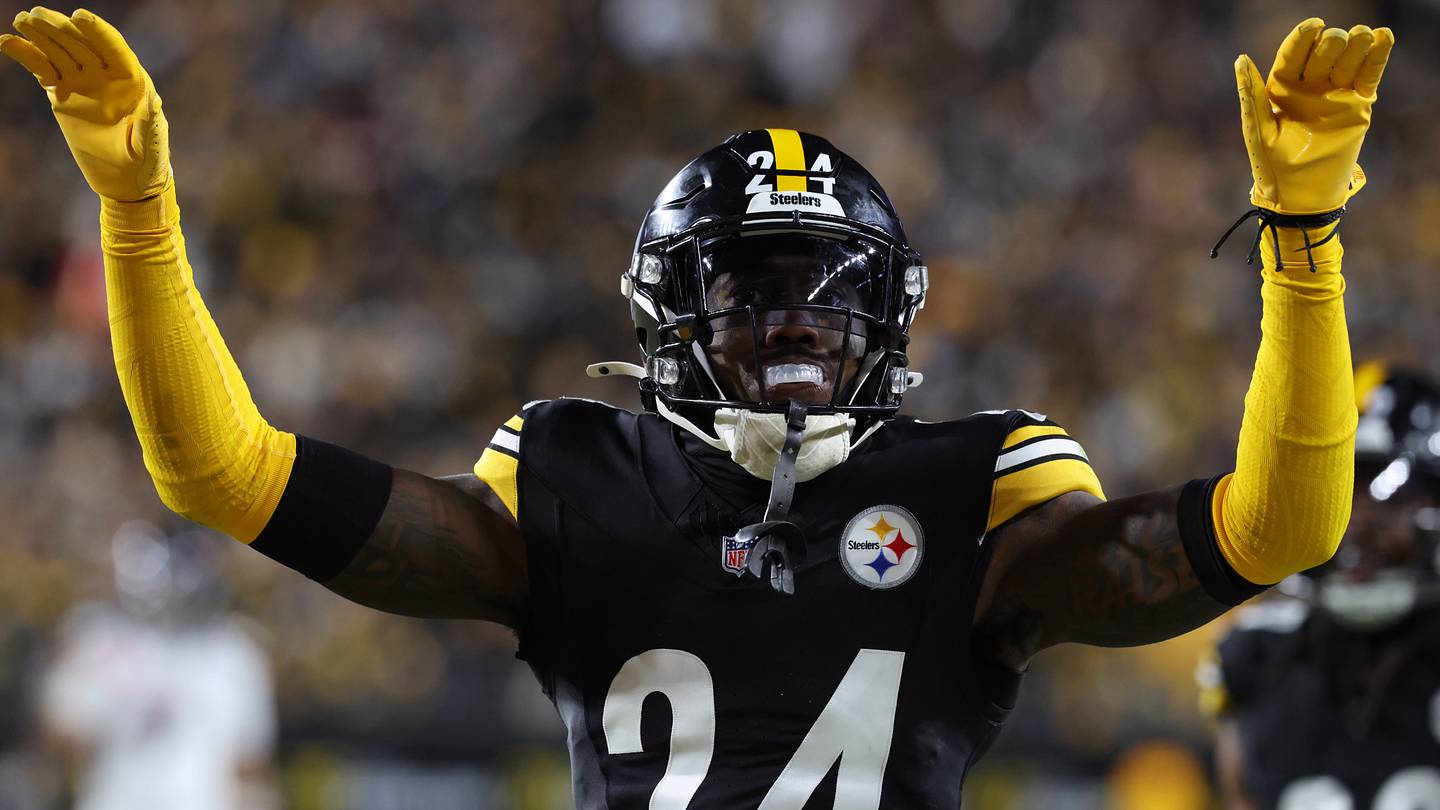
The NFL calendar barely flipped to October and the league already delivered a full-volume reminder that contention windows do not wait for comfort. Joey Porter Jr. is out in Pittsburgh and in with Dallas after a contract squabble pushed one of the league’s young cornerstones onto the trade market. Sports Illustrated framed it as a major win for the Cowboys on talent alone. CBS Sports leaned the other direction, pointing to the coveted pick package Pittsburgh pulled back in return. Both can be true. That is why this move landed with real heat across the league.
Dallas did not make this swing to feel good about roster depth. The Cowboys made it because meaningful football starts now. Porter gives them a proven young corner with edge, pedigree, and upside at one of the most expensive positions in the sport. There is a catch attached to the talent, though, and everybody knows it. Dallas now inherits the extension conversation that pushed this situation into the open in the first place. That clock starts ticking immediately.
Short-term gamble. Long-term bill.
That is the trade.
The Cowboys clearly decided the risk is worth it. In a conference that punishes weak secondary play every January, Dallas just added a player capable of changing matchups on the outside. Teams do not move corners like this unless something underneath the surface gets complicated fast. Pittsburgh and Porter could not bridge the contract gap. Dallas saw opportunity where Pittsburgh saw escalating cost.
**That’s not theory. That’s leverage.**
Pittsburgh’s side of this deserves its own attention because the Steelers did not simply dump talent to escape tension. CBS Sports emphasized the return package, and that matters. The Steelers moved a premium young player and still walked away with a high-value asset that could reshape future roster decisions. That is disciplined team-building, even if it stings in the present. Fans hate seeing elite potential leave the building. Front offices hate paying market-setting money without full alignment even more.
This is where the trade gets fascinating. Pittsburgh bet on flexibility. Dallas bet on urgency.
Neither side blinked.
The Steelers are one of the few franchises comfortable making unpopular moves if they believe the long game improves. That approach usually creates two reactions at once: panic outside the building and calm inside it. Trading a cornerback of Porter’s caliber sends a loud message about financial priorities and internal timelines. It also raises immediate football questions. Replacing top-end secondary talent is rarely clean, rarely cheap, and almost never instant.
Meanwhile, the Cowboys are operating from a completely different emotional lane. Dallas saw a roster capable of competing now and pushed chips toward the middle. Aggressive teams understand something important about modern NFL windows: they close faster than fans think. Porter’s arrival injects energy into a defense that now carries even higher expectations. But expectations travel with pressure, and pressure eventually arrives at the negotiating table.
One-line reality check: acquiring the player is the easy part.
Keeping him happy is where contenders either separate or spin.
Sports Illustrated focused heavily on Dallas benefiting from Pittsburgh’s inability to reach a deal, and there is logic there. Elite corners entering their prime do not become available often. When they do, contenders move fast. The Cowboys moved fast. They also accepted the reality that premium talent demands premium commitment. The extension conversation is no longer background noise. It is attached directly to the success or failure of this trade.
There is also the larger league-wide signal here. NFL front offices are becoming increasingly willing to move established young players before contract situations spiral deeper into public tension. That changes how contenders operate at the deadline and how rebuilding teams weaponize leverage. Future picks matter. Financial flexibility matters. But true impact players still drive the market. Porter checked every one of those boxes.
**The Cowboys chased ceiling. The Steelers protected control.**
That tension sits at the center of modern NFL team-building.
Looking Ahead: the spotlight now follows both franchises every week. Dallas will be judged by immediate defensive impact and whether Porter stabilizes high-pressure matchups when the season tightens. Pittsburgh will be judged by what comes next with the draft capital and whether the secondary can absorb the loss without slipping. One trade. Two timelines. Massive stakes on both sides. October just got louder.
The league moves. We call it.