
 Soccer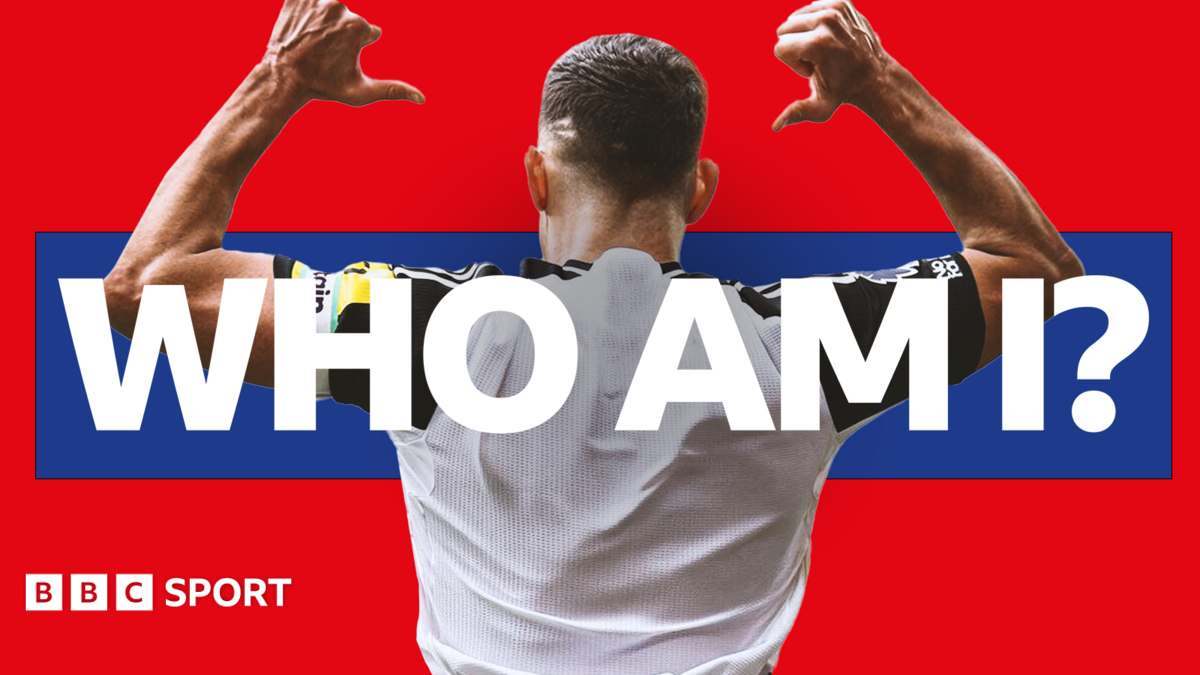
Some weeks belong to title races. Some belong to transfer chaos. This one? It belonged to the scroll, the guess, the flex in the group chat. BBC Sport dropped back-to-back editions of its “Who am I?” Premier League footballer quiz this week, and in a slower news window, the engagement machine did what the league always seems to do best: keep supporters locked in even when there is no whistle blowing.
BBC Sport published “Who am I? Guess Premier League footballer No 73” on October 1, followed immediately by “No 74” on October 2. Simple concept. Identify the mystery player in as few attempts as possible. No blockbuster headline attached. No dramatic controversy. Yet the format cuts straight to the heartbeat of modern football fandom. Recognition. Recall. Status. Supporters do not just watch this league anymore. They catalogue it. They memorize pathways, clubs, traits, badges, transfers, moments. The quiz format taps directly into that obsession.
And honestly, that matters.
The Premier League has become a year-round participation sport even when matches are not front and center. BBC Sport knows it. Fans know it. Every clue becomes a tiny loyalty test. Every wrong answer becomes a challenge thrown across timelines and comment sections. The modern football conversation no longer waits for kickoff. It survives on constant interaction, and this week’s BBC Sport quizzes were a clean example of how media outlets keep the engine hot between major matchdays.
Short burst. Quick dopamine hit. Back again tomorrow.
That is not accidental.
The bigger takeaway from this week is how football media continues shifting toward active engagement instead of passive consumption. These quizzes are lightweight on the surface, but they reveal something larger about where the sport lives now. Supporters want to prove knowledge, not just absorb information. The old studio-show model keeps fading while interactive formats keep climbing. Guessing games, prediction tools, lineup builders, instant polls. Fans want meaningful participation over polished distance.
That is not theory. That is leverage.
BBC Sport’s execution stayed simple, which is exactly why it worked. No overloaded presentation. No gimmick avalanche. Just a direct challenge tied to the world’s most watched domestic league. The familiarity of the format is part of the appeal now. Returning readers understand the rhythm immediately. Open the page. Read the clue. Fire the guess. Chase the perfect score.
And there is another layer here worth watching. Football audiences are increasingly fragmented across streaming platforms, social feeds, highlight clips, podcasts, and creator channels. Attention is harder to hold than ever. Interactive formats cut through that fragmentation because they demand response. A supporter can skim past a headline. Harder to ignore a challenge aimed directly at football pride.
That competitive instinct still drives the sport far beyond the pitch.
The timing also says plenty about the current media cycle around soccer. In a week without a dominant transfer saga or a defining continental showdown inside the provided source set, engagement content filled the lane naturally. No panic. No forced outrage. Just football culture staying active in its own ecosystem. There is value in that consistency. Supporters do not disappear because the headlines cool down for a few days. They keep showing up. Smart outlets keep feeding the habit.
One clue. One guess. One more try.
The league never fully leaves the conversation.
There is also something refreshingly democratic about this kind of football content. You do not need tactical software or insider sourcing to join in. Casual fans can play. Hardcore supporters can dominate. Everyone enters through the same door. In an era where football coverage can sometimes drift toward endless finance talk and executive maneuvering, the simplicity lands cleanly. Identify the player. Beat your friends. Move on with your day carrying either bragging rights or frustration.
And frustration absolutely travels.
BBC Sport’s quiz series has quietly become part of the daily rhythm for supporters who treat football knowledge like currency. The numbered sequence itself builds momentum. No 73. No 74. Tomorrow brings another test. That continuity matters because recurring formats build habit faster than one-off spectacles. The smartest football media products understand that repeat engagement wins over occasional spikes.
Looking Ahead: Expect interactive football coverage to keep expanding as outlets chase audience retention between major fixtures and transfer windows. The appetite is clearly there, and formats built around participation continue gaining ground across the sport’s media landscape. October football is here, but so is the fight for fan attention every single day between matches. The calendar moves fast. Supporters move faster.