
 NFL
NFL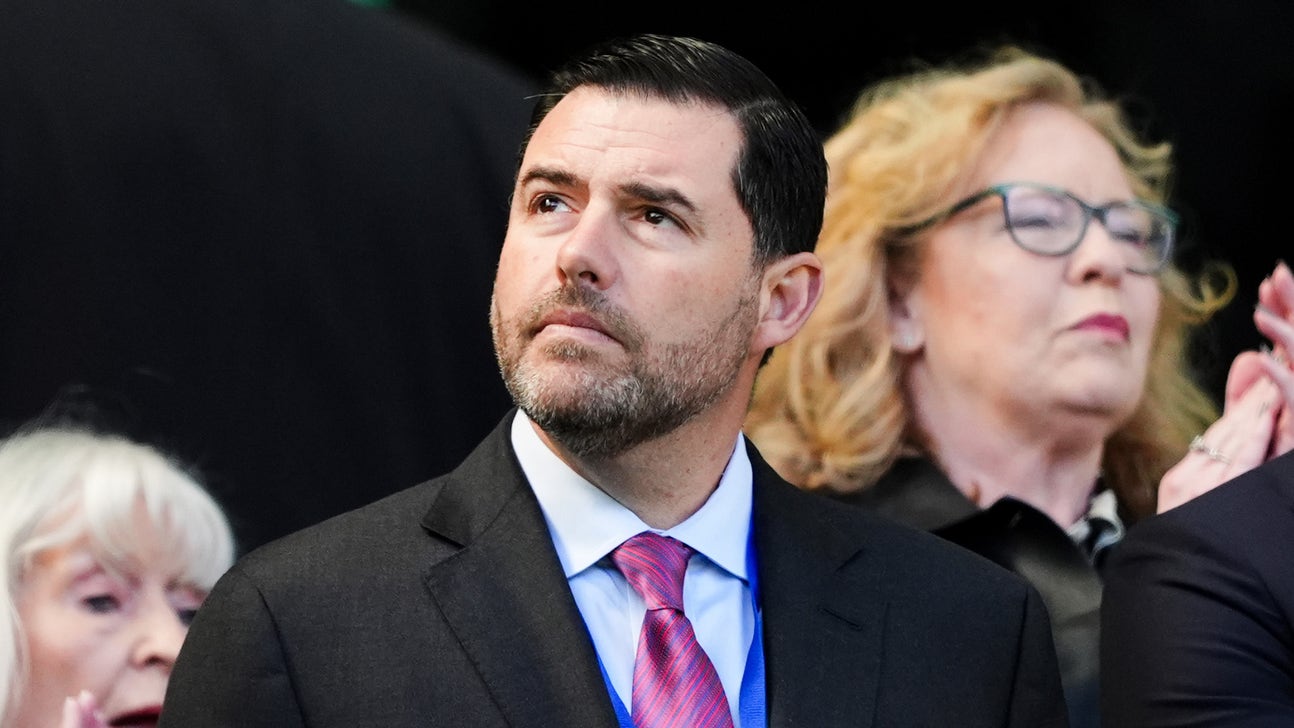
The NFL dropped a hammer on one of its most visible ownership groups this week, suspending San Francisco 49ers owner Jed York for six games and fining him $500,000 after his Ohio arrest tied to a prostitution sting. Fox Sports and CBS Sports confirmed the discipline Friday, with the league citing violations of its Personal Conduct Policy. Three games York already missed will count toward the suspension.
That changes the temperature around this story immediately. This is not a quiet fine buried under a Friday news dump. This is the NFL putting ownership conduct under the same public microscope usually reserved for players, coaches, and executives. The league knows perception matters. Especially now.
York accepted responsibility, and that matters from a league optics standpoint. But the size of the punishment tells the bigger story. Six games for an owner lands differently because owners rarely become the headline in disciplinary cycles. They operate above the weekly chaos. Protected by status, influence, and long timelines. Not this week.
And the timing is brutal.
The 49ers remain one of the NFL’s flagship brands. Prime-time windows. Massive valuation. Constant playoff expectations. Every move tied to the franchise carries league-wide weight because San Francisco is not some invisible rebuilding operation tucked away from national attention. When a franchise that visible gets tied to a conduct investigation involving ownership, the NFL responds loudly. It wants separation from the story before the story defines the season.
That’s not theory. That’s leverage.
The suspension also arrives during a stretch where the NFL has spent years tightening its public stance around conduct policy enforcement. The league has taken criticism from every direction over consistency. Too harsh. Too soft. Too selective. Cases involving ownership create a different pressure point because discipline against owners can impact business relationships, franchise operations, and league politics at the highest level. There is no hiding behind competitive excuses there.
Fox Sports noted the punishment stemmed from York’s arrest in Ohio, while CBS Sports reported the league counted previous missed games toward the suspension total. The NFL clearly wanted resolution now rather than letting the issue linger into another month of headlines and speculation. Fast rulings limit oxygen. They also signal confidence in the investigation process.
Still, this story will hang around because ownership discipline always raises larger questions. How aggressively should leagues police executives and owners compared to players? What standards apply when the people signing checks become the people under review? The NFL just answered that publicly, at least in this case. Significant suspension. Significant fine. No soft landing.
Short message. Big echo.
The business side matters too. The 49ers remain one of the league’s most valuable organizations, and stability at the ownership level is part of that machine. Public controversy introduces friction even when football operations continue normally. Sponsors notice. League partners notice. Fans notice. The NFL understands that modern brand damage spreads faster than any official statement can contain it.
There is also an unavoidable reality here: the NFL has spent years selling itself as a league driven by accountability and culture. Every disciplinary decision becomes part of that larger campaign. If the league had gone light on York, criticism would have arrived instantly. If it had overreached, another debate would have exploded. Instead, the NFL landed on a punishment strong enough to send a signal without moving into franchise-altering territory.
That balance was intentional.
And make no mistake, owners across the league saw the message clearly. Conduct policies are no longer reserved for locker rooms. The shield protects business interests, but it also protects the league’s image. Once that image takes a hit, status stops mattering as much.
There is still an open question about how quickly this fades from the weekly NFL conversation. Winning usually changes the news cycle in football. It always has. But ownership controversies operate on a different clock because they sit above the field. Fans can separate bad football from front-office embarrassment. They have a harder time separating ownership scandals from organizational identity.
For now, the NFL appears determined to close the chapter quickly and move forward. York’s acceptance of responsibility lowers the likelihood of a prolonged public fight with the league office. That helps everyone involved. The 49ers avoid a drawn-out spectacle. The NFL avoids another months-long conduct saga. But the visibility of the punishment guarantees this case will remain part of future league discipline conversations.
Looking Ahead: The immediate football impact remains limited, but the broader league implications will linger through the season. Owners just received a very public reminder that the NFL’s conduct policy applies at every level of power. October keeps moving. The headlines do too.