
 College Basketball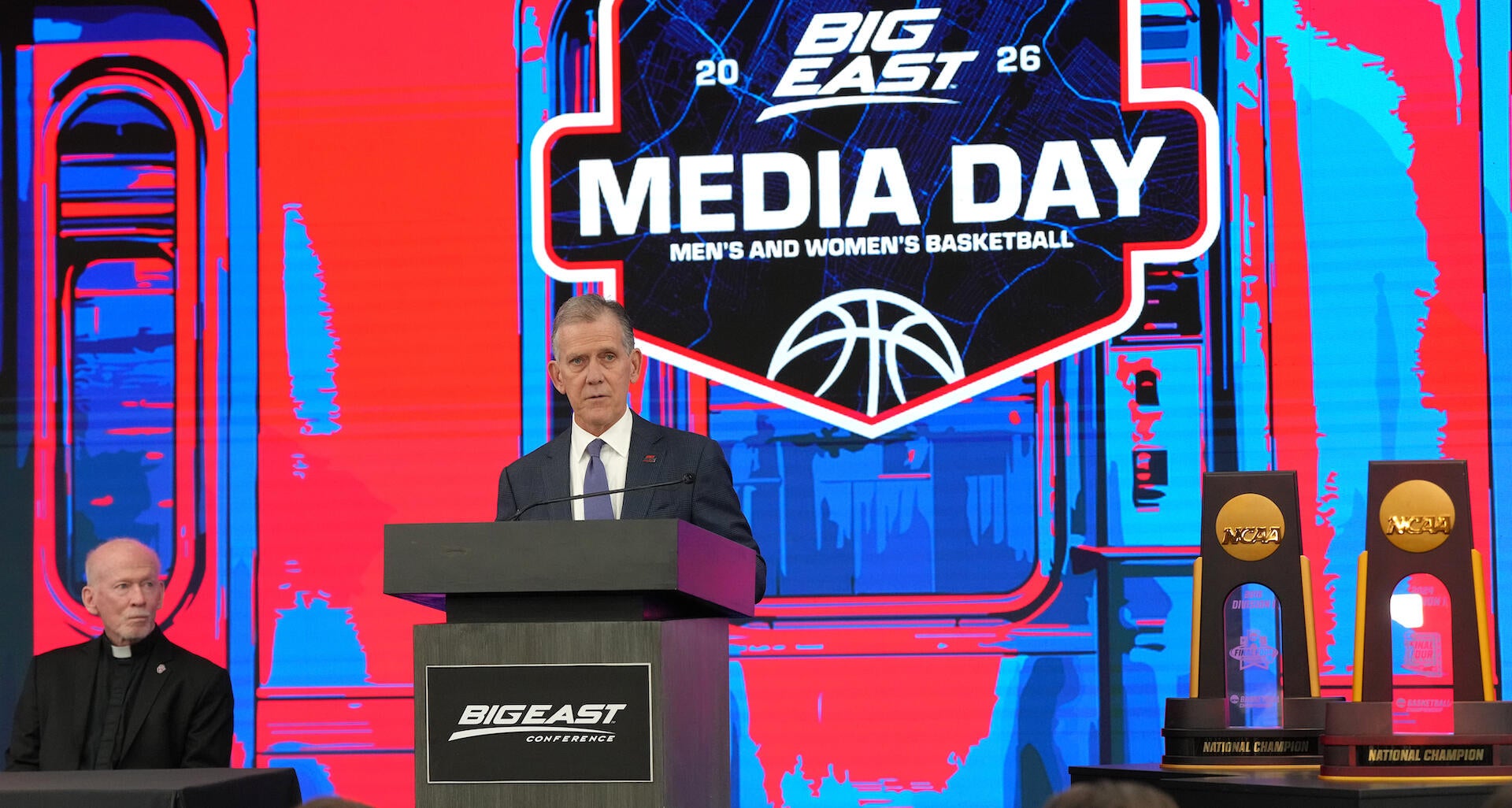
The Big East looked around the college basketball map and saw the same thing everybody else did: standing still is another way to fall behind. So the conference opened the wallet, changed leadership and started talking like a league that knows the next version of March is already coming. CBS Sports detailed a conference investing aggressively while preparing for a new NCAA Tournament era, and the timing says everything. UConn may have rescued the league from what CBS Sports described as the worst regular season in conference history, but nobody inside the conference building seems interested in treating that title run glow as permanent cover.
That is the mood around the Big East right now. Urgent. Competitive. Slightly restless.
College basketball keeps separating into tiers. Football money drives the conversation everywhere else, and basketball-first leagues are fighting for oxygen, relevance and bids. The Big East knows exactly what it is. It also knows identity alone does not pay for facilities, staffing, NIL infrastructure or the kind of roster retention needed to survive modern roster churn. So the conference is spending with intent instead of nostalgia.
The commissioner change matters here. New leadership arriving before another expected NCAA Tournament shift is not random timing; it is a pressure point. The next tournament model could reshape access, power and revenue distribution across the sport. Every league outside the biggest football brands hears the same ticking clock. The Big East response has been direct: invest now, modernize now and stop pretending old advantages automatically carry into the next decade.
That hits especially hard because the league just lived through a strange contradiction. UConn delivered the headline success everybody associates with the conference. Banner-level relevance. Prime-time attention. March authority. But underneath that championship-caliber visibility sat a regular season CBS Sports labeled historically poor for the league. That combination creates tension fast. One heavyweight can keep a conference visible for only so long if the middle tier drifts.
And in college basketball, drift turns into Selection Sunday damage in a hurry.
The Big East built its reputation on depth. Old-school rock fights in packed gyms. Veteran guards. Brutal road games in January that felt like elimination games before Valentine’s Day even arrived. When that ecosystem weakens, the league loses the exact thing that separated it from conferences chasing football dollars. The spending push is an acknowledgment that the old formula now costs more.
This is not just about keeping up appearances. It is about keeping bids.
The modern college basketball economy punishes hesitation. Programs need deeper front offices, stronger NIL support structures and better player retention plans just to avoid annual roster wipeouts. The leagues adapting fastest are treating basketball operations with pro-style seriousness. The Big East appears ready to follow that path more aggressively instead of relying on reputation and tournament memories.
That also raises the stakes for the conference’s next few seasons. A stronger financial commitment creates expectations immediately. Coaches get judged differently. Athletic departments get less patience for rebuilding language. The league cannot market itself as resurgent and then spend another winter watching bubble math swallow half the conference.
Short version: investment changes the temperature.
The fascinating part is how uniquely Big East this challenge feels. Other conferences chase scale. The Big East has to chase sharpness. It does not need to become a football super-league imitation. It needs to become unmistakably difficult again. The kind of conference where NCAA Tournament committees stop debating whether teams belong and start arguing about seeding lines instead.
That edge has faded at times in recent seasons, even with UConn carrying the national spotlight. CBS Sports framed the current moment as a reset tied to leadership and spending, but it also reads like a recognition that the conference cannot keep depending on one flagship power to clean up broader inconsistency. The middle and upper-middle of the league have to rise with it.
Because the next version of college basketball is arriving fast.
Tournament expansion discussions continue hovering over the sport. Power dynamics continue shifting. NIL continues changing roster construction year to year. The conferences with a clear identity and enough financial commitment to support it will survive the turbulence best. Everybody else risks becoming background noise by February.
The Big East still has one thing plenty of leagues would trade for instantly: basketball credibility that actually means something in March. Coaches know it. Fans know it. Selection committees know it. But credibility ages quickly if the product softens. This spending wave and leadership transition feel less like celebration and more like a response to that reality.
And honestly, college basketball is better when the Big East carries weight. The sport needs those winter nights where ranked teams walk into hostile gyms and leave with bruised résumés. It needs conference races that feel claustrophobic by late February. It needs a league where toughness is not branding language but a weekly survival requirement.
Looking Ahead: The next few months will reveal whether the Big East’s aggressive posture translates into a stronger league across the board or simply more pressure on programs already fighting roster volatility. Either way, the conference is done acting comfortable. March memories are nice. The next era wants proof every season.
No noise. Just signal.