
 Soccer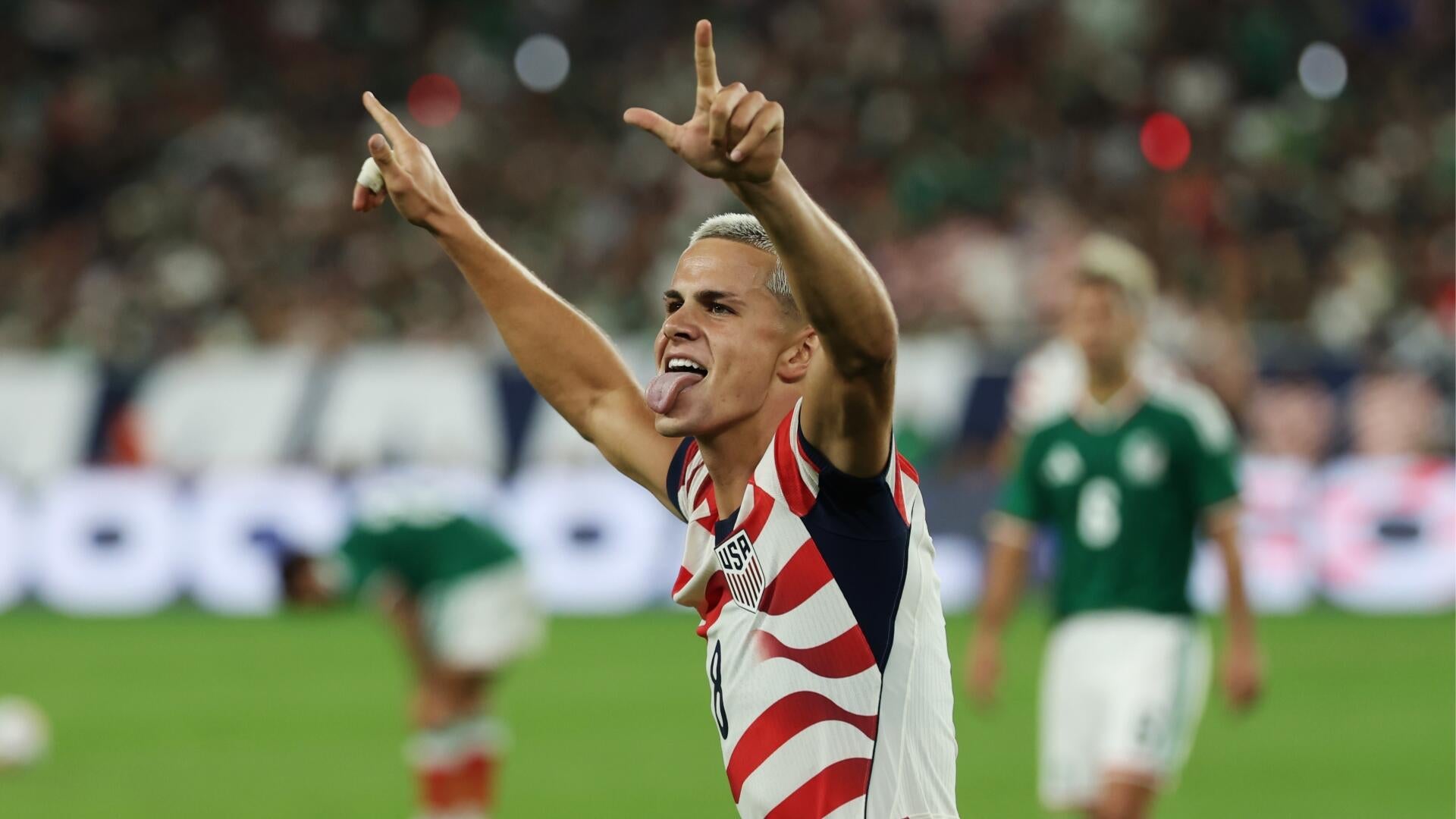
The shirts change. The pressure never does. USA-Mexico still arrives with noise, nerves, and the kind of edge that turns even a friendly into a referendum. This time, the United States walked out with more than a result. Mauricio Pochettino’s young group walked out with proof of concept.
CBS Sports captured the headline angle: the new generation may not be polished yet, but it already knows how to beat Mexico. That line hangs over everything from this week because the performance carried a different energy than the cautious transitional soccer often attached to rebuilding cycles. The USMNT looked aggressive. Brave on the ball. Comfortable playing through mistakes instead of hiding from them. In rivalry matches, that mentality lands before tactics do.
And then came the history.
Cavan Sullivan stepped into the spotlight and became part of a new chapter for the national team setup. The moment mattered beyond the stat sheet. American soccer has spent years talking about pipelines, academies, and the next wave arriving earlier and sharper. Sullivan’s appearance turned that conversation into something tangible. A teenager entering a USA-Mexico match and looking ready for the speed of it all says plenty about where the player pool is headed.
The important part? The occasion did not swallow the team.
That used to happen. Especially against Mexico.
Pochettino’s influence is beginning to show in flashes. Not total control. Not a finished identity. But the outlines are visible now. The pressing looked more committed. The transitions carried intent instead of panic. Players moved like they expected to dictate stretches of the match rather than merely survive them. Young teams usually oscillate between fearless and chaotic. The United States managed to sit somewhere in the middle, which is progress in itself.
This rivalry has always functioned as a truth serum for the program. Beat weaker regional opponents and people shrug. Beat Mexico and the conversation changes immediately. The emotional weight is different. The scrutiny gets louder. Every touch feels examined under stadium lights and social media microscopes. That environment tends to expose immaturity quickly. Instead, the Americans leaned into it.
That is the piece that travels.
The tactical details will evolve. The lineup certainly will. But a young side learning how to handle emotional matches early in a cycle can accelerate everything around it. Players develop faster when they stop treating major occasions like survival tests. Pochettino appears to understand that. The tone of this camp felt less like a long-term experiment and more like a challenge issued directly to the squad: grow up quickly because the expectations are already here.
Mexico, meanwhile, remains the benchmark every American generation is judged against. Even in friendlies, these matches carry regional gravity. The intensity rarely dips because neither federation can afford softness in this fixture. A win instantly changes the public temperature around a national team manager. A loss lingers.
For the United States, this one felt less about revenge or chest-thumping and more about momentum. The player pool is visibly younger. The timeline is accelerating. There is less interest in waiting patiently for talent to mature at 26 or 27 years old. Sullivan becoming part of the story only reinforced that reality. American soccer is betting aggressively on youth, technical confidence, and adaptability.
That gamble suddenly looks a little less theoretical.
CBS Sports framed the performance as a statement win, and that label fits because the USMNT did not stumble into the result through pure emotion. The composure mattered. Rivalry games often become stretched and frantic. The United States showed enough structure to suggest the coaching ideas are landing, even if the execution still comes in waves. A young team winning while still visibly unfinished is usually a sign worth tracking.
The edge around this program feels different now. Less fragile. Less desperate for validation. That does not mean the Americans have solved anything permanently. One strong rivalry result never guarantees smooth qualifying runs or tournament success. Soccer does not work that way. But this week offered something more valuable than hype: evidence. Evidence that the next generation can absorb pressure without shrinking from it.
And evidence that Pochettino may already be speeding up the timeline.
Looking Ahead: The challenge now shifts from emotional highs to consistency. Rivalry wins create headlines; sustained performances create serious national teams. The United States leaves this week with belief, momentum, and a teenager already woven into the future of the badge. Against Mexico, under lights, that is how new eras begin.