
 Golf
Golf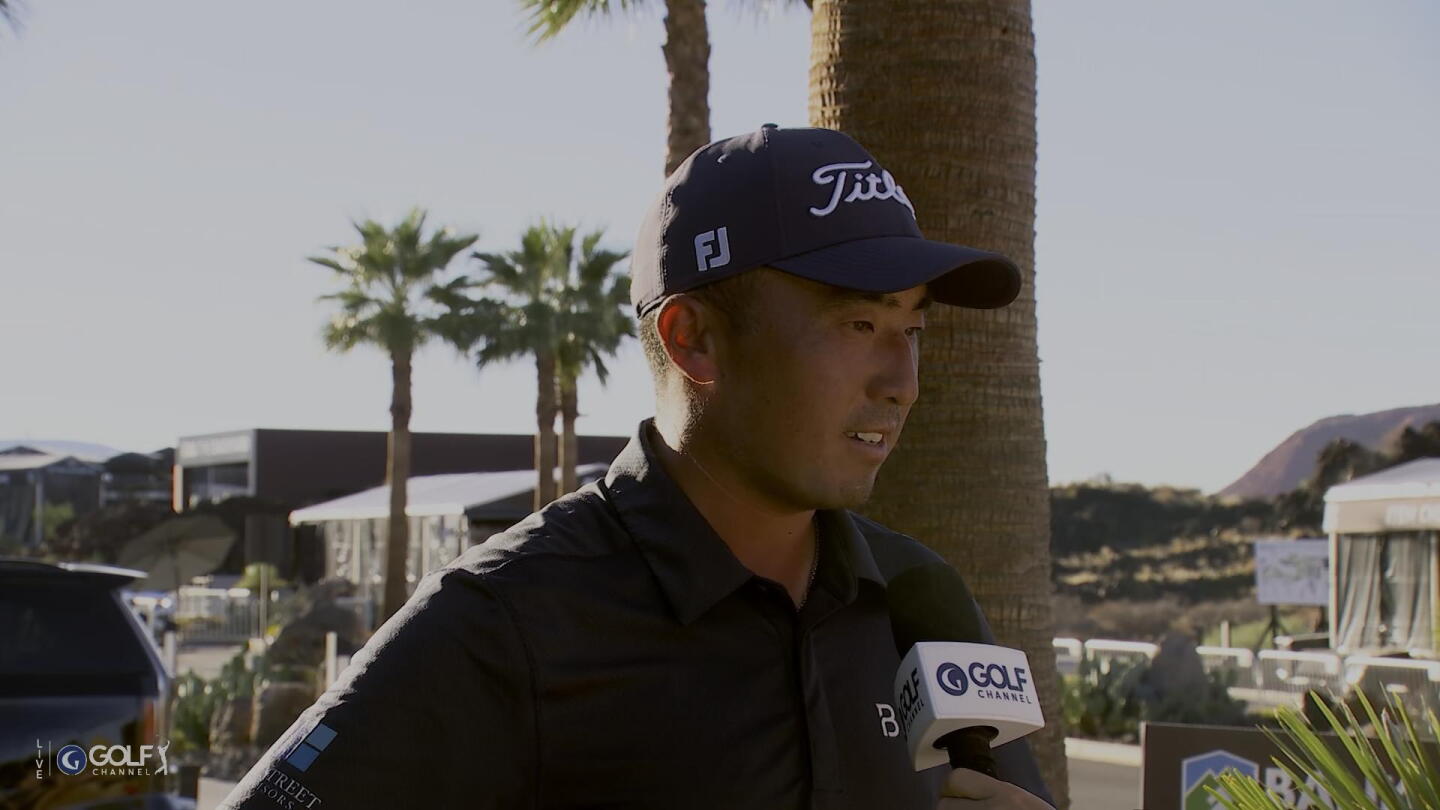
The calendar says fall golf. Doug Ghim played Saturday like it was moving day at a major.
NBC Sports tracked the surge as Ghim ripped through the back nine with a third-round 64 at the Bank of Utah Championship, pushing himself to one shot off the lead entering Sunday. Clean card. Real pressure golf. The kind of round that changes the entire feel of a tournament in about two hours.
That is the sweet spot in professional golf. Not front-running. Hunting.
Ghim’s timing could not have been sharper. A crowded leaderboard in developmental-season golf usually turns into survival by the closing stretch. Instead, Ghim accelerated. The back nine became a runway. Birdies started stacking. The round stopped looking steady and started looking dangerous.
One back entering Sunday is its own ecosystem. Too far behind and players start firing at sucker pins. Too far ahead and the swing gets careful. One shot? That keeps every option open. Aggression still lives there. Patience too. Ghim walked himself into the exact position players want late in the week: close enough to attack, calm enough to stay in rhythm.
Golf has a way of exposing tempo under pressure. Saturday often tells the truth before Sunday confirms it. Ghim’s 64 did not look like somebody hanging on. It looked like somebody finding center-face over and over and trusting the line. NBC Sports highlighted the heat on the inward nine, and that matters because tournaments frequently tilt there. Leaders start protecting numbers. Chasers start seeing opportunities. Momentum shifts fast when one player posts circles while the rest of the field starts aiming away from trouble.
A hot back nine also changes the emotional traffic inside a tournament. Every player in contention sees the board. Every caddie recalculates risk. Suddenly pars feel slower. Safe golf feels smaller. Ghim’s move forced the event into a different conversation entering the final round.
That is where professional golf gets compelling. The scorecard is only part of the story.
The pressure travels.
Ghim’s round injected urgency into Sunday before the first tee shot was even struck.
The Bank of Utah Championship may not carry the week-to-week spotlight of the biggest PGA Tour stops, but these tournaments shape careers and reputations. One heater can reroute a season. One Sunday can reset confidence for months. Players know it. Coaches know it. The swings tighten because the margins are microscopic.
And Ghim has been around long enough to understand exactly what these moments require. Not theatrics. Not chasing perfection. Just repeated execution when adrenaline starts tapping at the grip pressure.
Saturday’s charge carried another message too: low rounds are still out there if players stay committed. That sounds obvious until a leaderboard starts getting crowded and conservative instincts take over. Ghim resisted that pull. The reward was immediate. A 64 on moving day always lands differently because it forces everyone else to react.
Bold golf still owns the sport.
Especially late in the week.
NBC Sports focused on Ghim discussing the round after climbing within one shot, and the position itself says enough. Entering Sunday near the top means every swing suddenly carries amplified weight. Fairways feel narrower. Five-footers feel longer. Fans love final rounds because tension leaks into every decision.
This setup has all the ingredients golfers respect most: proximity, momentum, and one clean opportunity to close. No giant deficit to erase. No cushion to protect. Just eighteen holes and a leaderboard compressed tight enough to punish hesitation.
Golf rarely rewards emotional overreach. The players who finish these weeks usually stay boring in the best possible way. Fairway. Green. Accept the putt. Move on. But the challenge after a round like Ghim’s is resisting the temptation to replay Saturday instead of building Sunday shot by shot.
That becomes the real test.
Can the heater carry over once expectations arrive?
The answer often comes down to pace. Players who chase the previous day usually drift. Players who settle into the next round tend to survive. Ghim earned the luxury every contender wants entering Sunday morning: relevance. From there, the tournament becomes about nerve and precision.
Looking Ahead: Sunday at the Bank of Utah now belongs to the chase pack as much as the leader. Doug Ghim’s third-round 64 changed the tournament’s rhythm, and one shot is nothing in modern professional golf. One good stretch can flip the board in minutes. One loose swing can disappear just as fast. That is why Sunday golf still hits different.
If you missed it, you’re behind.