
 Tennis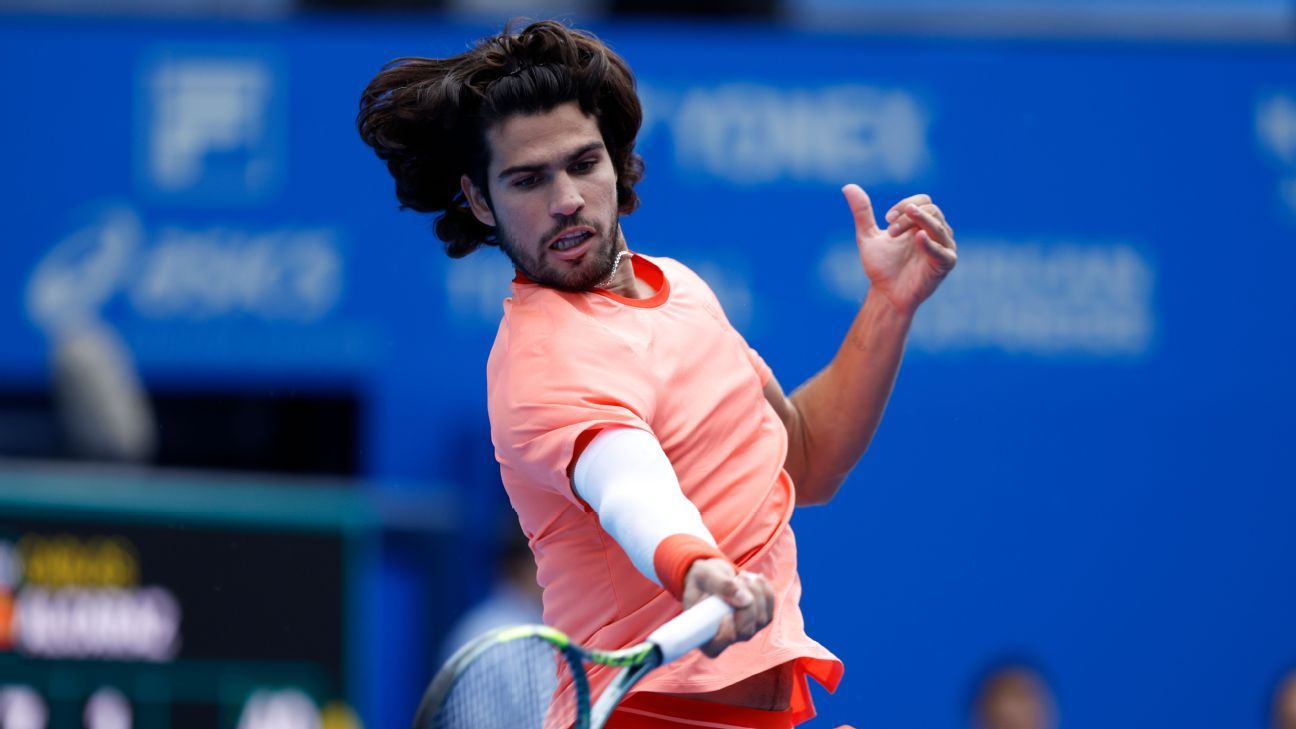
The Tokyo Open tilted hard this week, and Carlos Alcaraz barely had to blink. The top seed moved into the semifinals after Denis Shapovalov retired with an injury during their quarterfinal, a result first detailed by ESPN and Fox Sports. Not the finish anyone wanted. Still, the bracket does not hand out sympathy points in October. It hands out opportunities. Alcaraz grabbed another one.
Tokyo has that late-season pressure baked into it. Bodies are worn down. Legs get heavy. The calendar starts collecting receipts. Shapovalov’s retirement dropped another reminder that the indoor stretch can turn brutal fast, especially for aggressive shotmakers who live on explosive movement and first-strike tennis. His week ended early. Alcaraz’s path suddenly cleared a little wider.
And right now, wider is dangerous.
Alcaraz has spent this stretch of the season looking increasingly comfortable in the role everyone keeps trying to assign him: the man the draw revolves around. Even in a match cut short by injury, the Spaniard carried the energy of a player dictating terms before the finish arrived. The pace off the forehand still jumps. The court coverage still bends rallies into impossible geometry. Tokyo’s quicker conditions reward players willing to take the ball early, and Alcaraz keeps turning defense into a jump-scare for opponents standing inside the baseline expecting a short reply.
This is where the ATP calendar gets unforgiving. There is no easing into form anymore. Every tournament starts feeling like a positioning battle before the bigger indoor events and season-ending races tighten up. A semifinal appearance in Tokyo is not just another line on the résumé. It keeps Alcaraz squarely planted in the center of the sport’s weekly conversation while other contenders fight durability as much as opponents.
Shapovalov’s exit also landed with an uncomfortable familiarity. Electric talent. Momentum building. Then the body interrupts the whole script. Tennis keeps asking players to sprint through a season that barely exhales. One awkward movement, one flare-up, one retirement, and a quarterfinal instantly becomes a walkover headline. The sport’s margins are microscopic at this stage of the year.
Quick courts. Heavy legs. Survival mode.
That combination defines October tennis better than any ranking graphic ever could.
For Alcaraz, though, the equation remains simple. Keep stacking wins. Keep applying scoreline pressure early. Keep forcing opponents into defensive court positions they do not want. The most impressive part of his recent run is not only the athleticism. Everybody already knows about that. It is the efficiency creeping into his game. Shorter service games. Cleaner transitions forward. Less emotional turbulence after missed chances. The ceiling was never the mystery with Alcaraz. The management of long weeks has always been the real test, and Tokyo is beginning to look like another example of a player learning exactly when to push and when to conserve.
The tournament itself now shifts around him. Once a top seed reaches the semifinals at an ATP stop like Tokyo, every remaining player feels the gravitational pull. Opponents start pressing for smaller targets. Rallies tighten. Service games speed up. That is the hidden tax of playing against elite confidence late in the season. The scoreboard pressure arrives before the first break point does.
And there is another reality hanging over this result: nobody wants to advance this way, but contenders rarely apologize for surviving the week healthier than the field around them. October tennis is part sprint, part endurance trial. The players still standing deep into Sunday usually earn it physically as much as tactically.
Alcaraz looks fresh enough to keep making this run dangerous.
Looking Ahead: The Tokyo semifinals now carry extra weight with Alcaraz still alive and the draw thinned by injury. The late-season ATP rhythm always rewards the players who can shorten points without losing aggression, and right now Alcaraz looks built for exactly that equation. Tokyo has become his stage to control. If you missed it, you’re behind.