
 F1
F1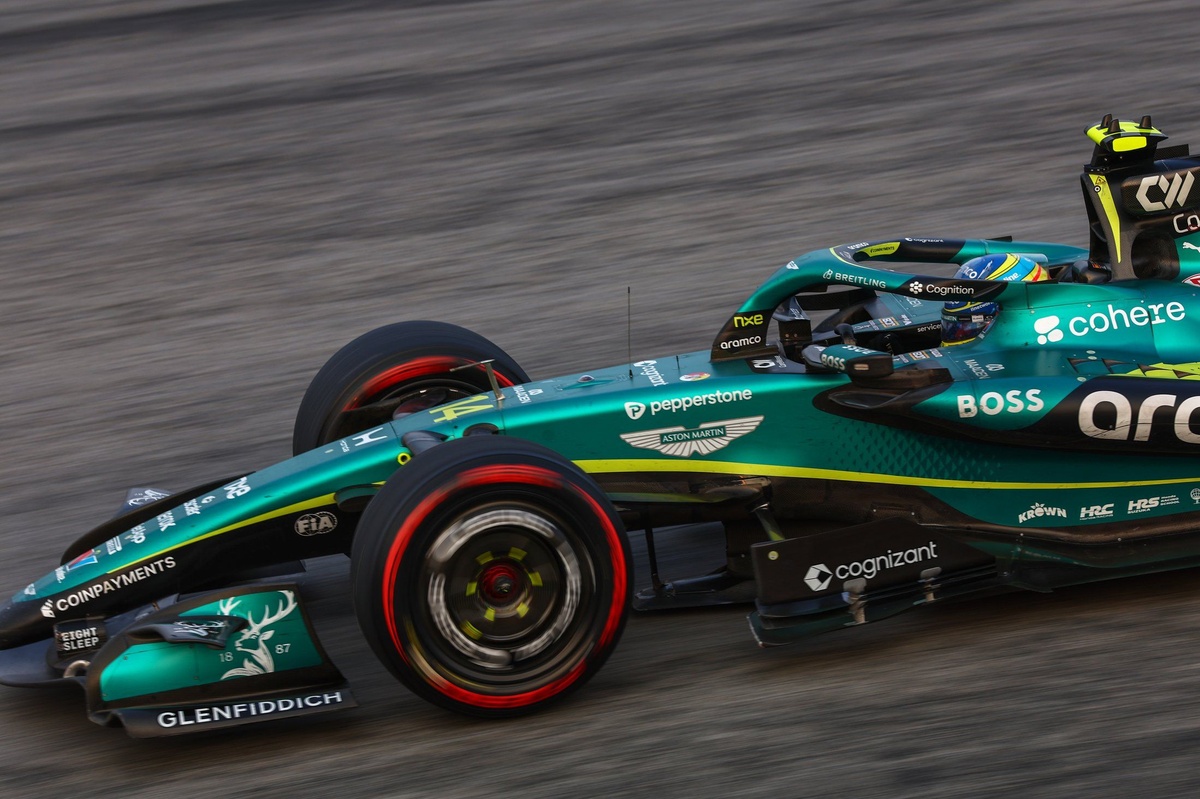
Formula 1 runs on tiny margins and loud conclusions. One clean weekend can flip the temperature in a paddock. Fernando Alonso just gave Aston Martin one of those weekends.
Motorsport.com detailed Alonso’s charge to eighth in the Bahrain Grand Prix in Malaysia, the team’s best finish of the 2026 season. On paper, P8 does not stop traffic. In this championship climate, though, it hit differently. Alonso beat Lando Norris to the line and did it in an Aston Martin package that suddenly looked alive over a full race distance. The AMR26, shaped by Adrian Newey’s influence and powered by Honda, showed pace that had been missing through the opening stretch of the year.
And in Formula 1, perception changes fast when the stopwatch starts backing up the promises.
The headline from the weekend was not just Alonso scraping points. It was the suggestion from the veteran himself that the car looked “even faster than Ferrari” at moments during the race. That is the kind of sentence that ricochets through the paddock before the freight even leaves the circuit. Ferrari remains one of the sport’s benchmark names, but Aston Martin finding enough pace to enter that conversation — even briefly — changes the tone around this project.
The Newey effect has hovered over Aston Martin like a giant flashing signal since his arrival became central to the team’s future direction. Malaysia was the first weekend where the car looked connected to that ambition instead of merely borrowing its aura. The AMR26 appeared more stable, more responsive, and far less fragile across race conditions. Alonso extracted everything from it, as Alonso usually does, but this did not look like a miracle drive carrying a stubborn car. It looked like a machine finally starting to answer back.
That gets attention.
Because eighth place in isolation is forgettable. Eighth place while beating a McLaren and hinting at Ferrari-level speed is how narratives begin.
Alonso remains one of the sharpest reference points in Formula 1. Drivers can talk development curves and setup windows all day long, but when a two-time world champion with this much mileage says the car has turned a corner, rivals listen. Aston Martin has spent seasons chasing relevance while carrying enormous expectations tied to investment, infrastructure, and star engineering hires. The results had not matched the noise. Malaysia felt like the first clean proof of concept.
There is still a gap between promising and dangerous. The front of the grid does not hand out invitations. One strong race does not erase reliability concerns, development pressure, or the brutal pace war waiting over the final stretch of the season. But Aston Martin suddenly looks capable of fighting instead of surviving. That changes race strategy. It changes midfield pressure. It changes how teams behind them approach Sundays.
And it changes the emotional temperature inside the garage.
Alonso has built a career on spotting opportunity half a second before everybody else. The energy around this result carried that feeling. Less frustration. More edge. More belief that the pieces might finally be aligning around him after years of rebuild language and long-term promises. Aston Martin did not celebrate like a team stealing lucky points. They reacted like a group expecting more.
That is the dangerous part for the rest of the midfield.
Honda’s role in this matters too. Formula 1’s current era rewards power unit efficiency and integration as much as raw aerodynamic brilliance, and the AMR26 reportedly looked stronger in overall balance than at any previous point this season. A stable platform unlocks strategy flexibility. Tire life improves. Drivers attack instead of defending every corner exit. The ripple effect spreads quickly once confidence enters the setup sheet.
The paddock has seen this movie before. A team spends months buried in compromise, then suddenly one upgrade package lands, correlation clicks, and the entire operation starts moving with conviction. Malaysia may not have been a podium breakthrough, but it carried the scent of momentum. In Formula 1, momentum is oxygen.
Short races become long statements.
Alonso turning back Norris also carried symbolic weight. McLaren has operated as one of the sharper midfield-to-front runners in recent seasons, so Aston Martin edging ahead in race trim offered a measuring stick beyond raw finishing position. The stopwatch does not care about reputations. It only rewards execution.
Now comes the harder part. Backing it up.
The calendar leaves no room for comfort, and rival teams will dissect Aston Martin’s gains immediately. Formula 1 development cycles move at ruthless speed. What looks revolutionary one weekend can disappear under another team’s floor upgrade seven days later. Aston Martin knows that. Alonso definitely knows that.
Still, this was the first weekend in 2026 where the team looked like it belonged in the conversation instead of orbiting around it. The AMR26 showed enough pace to create genuine intrigue about what comes next. Newey’s fingerprints are starting to show. Honda’s package is beginning to breathe. Alonso, somehow still operating with relentless intensity deep into his career, has a car capable of fighting for something meaningful on Sundays.
Looking Ahead: The next races will reveal whether Malaysia was a breakthrough or a perfectly executed outlier. Either way, the midfield just got more complicated, and Aston Martin finally sounds like a team tired of waiting its turn.
If you missed it, you’re behind.