
 Soccer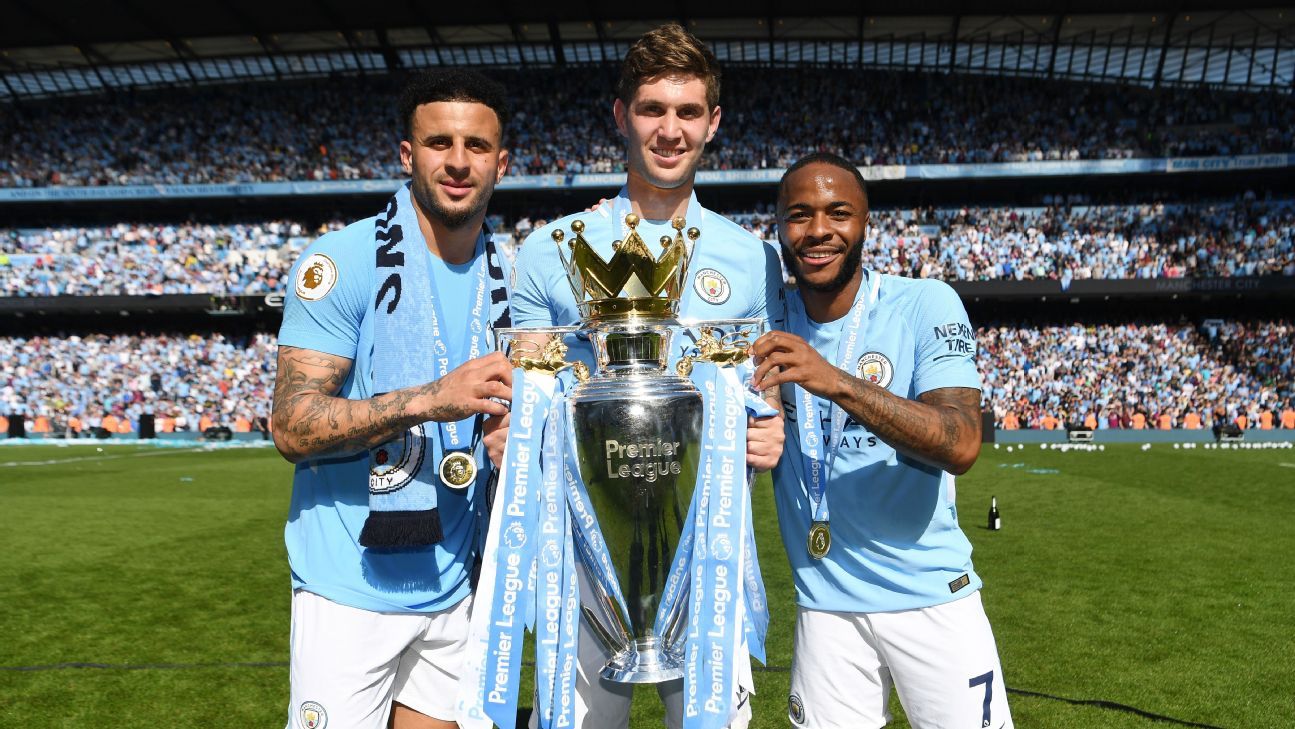
Manchester City’s dynasty talk never really cools off. It just changes temperature. This week, Kyle Walker stepped back into the fire and made the point plain through ESPN: whatever debates surround the club, the medals still sit in the cabinet and the football still happened in full public view.
Walker’s comments carried the tone of a player protecting more than silverware. He defended the memory of an era. The standards. The relentlessness. The machine-like consistency that turned City from annual contenders into the team everyone measured themselves against for years. In a sport built on fragile legacies, that distinction matters. Fast.
One sentence hovered over the whole conversation: glory cannot be taken from the players.
That lands differently now because the modern game archives everything. Every title run gets replayed, dissected, litigated online before the confetti even hits the ground. City’s rise produced admiration, fatigue, envy and suspicion in equal measure. Walker did not try to soften any of that. He went directly at the idea that retrospective arguments can somehow erase what happened on the pitch.
And here is the thing about City’s peak years: they bent the rhythm of the Premier League. Ninety points stopped feeling absurd. Domestic trebles entered normal conversation. Opponents walked into matches already discussing damage control. The psychological edge became part of the tactic board.
Walker was there through the acceleration phase, when Pep Guardiola’s side transformed dominance into routine expectation. His defense of the squad felt personal because it was personal. These players trained through title races where one dropped point could flip an entire season. They carried the pressure of being hunted every week by clubs treating matches against City like cup finals.
Football history rarely waits for consensus.
It decides who controlled the era and leaves everyone else arguing over the details afterward.
The ESPN interview also reopened the wider conversation around how elite teams get remembered. Winning alone no longer guarantees uncomplicated praise. Every modern superclub exists under permanent cross-examination from rivals, pundits and supporters who see dominance as either greatness or distortion depending on the scarf around their neck.
Walker’s stance cut against that noise. He framed City’s achievements as the product of elite footballers doing elite footballer things at impossible frequency. Big games every three days. Title races decided by microscopic margins. Cups stacked on top of league runs. The emotional toll of staying first is usually harder than the climb itself.
That context matters around City because success changed the expectations of the entire league. Clubs spent years trying to crack Guardiola’s positional game. Managers altered pressing structures to survive against them. Recruitment departments searched for full-backs who could play midfield by instinct. Even criticism of City often doubled as acknowledgement of how far ahead they had moved tactically.
Walker sounded like someone guarding the dressing room one more time.
No spin. No apology tour. Just a veteran saying the football world watched those teams dominate in real time.
There is also a generational angle here. Players from title-winning squads eventually become narrators of the era they shaped. Their interviews stop sounding like active competition and start sounding like historical testimony. Walker’s words carried that edge. Less post-match adrenaline, more long-view defense of what the group built together.
The timing adds intrigue too. Conversations around legacies always sharpen when dominant cycles begin to age out. New challengers arrive. Squads evolve. Former captains become media voices instead of tunnel leaders. The sport starts deciding how to package an era for memory. Walker clearly sees an effort in some corners to attach an asterisk to City’s footballing accomplishments. He pushed back hard.
And honestly, that pushback reflects the emotional reality inside elite squads. Players do not experience seasons as abstract debates. They remember training ground intensity, away days under pressure, title races stretching into May and the exhaustion of carrying expectations every weekend. Walker’s defense came from that lived grind.
The broader football world will continue arguing. That part is guaranteed. City remain one of the defining clubs of the era, and defining clubs attract permanent scrutiny. But Walker’s comments reminded everyone that players measure legitimacy differently than online discourse does. They measure it in sessions survived, points won, medals earned and moments delivered under pressure.
Looking Ahead: Manchester City’s legacy conversation is not ending anytime soon. Every interview from former players now feeds the larger historical debate around Guardiola’s reign and the standards City established across English football. Walker opened the door again this week, and the sport walked straight through it.
If you missed it, you’re behind.