
 F1
F1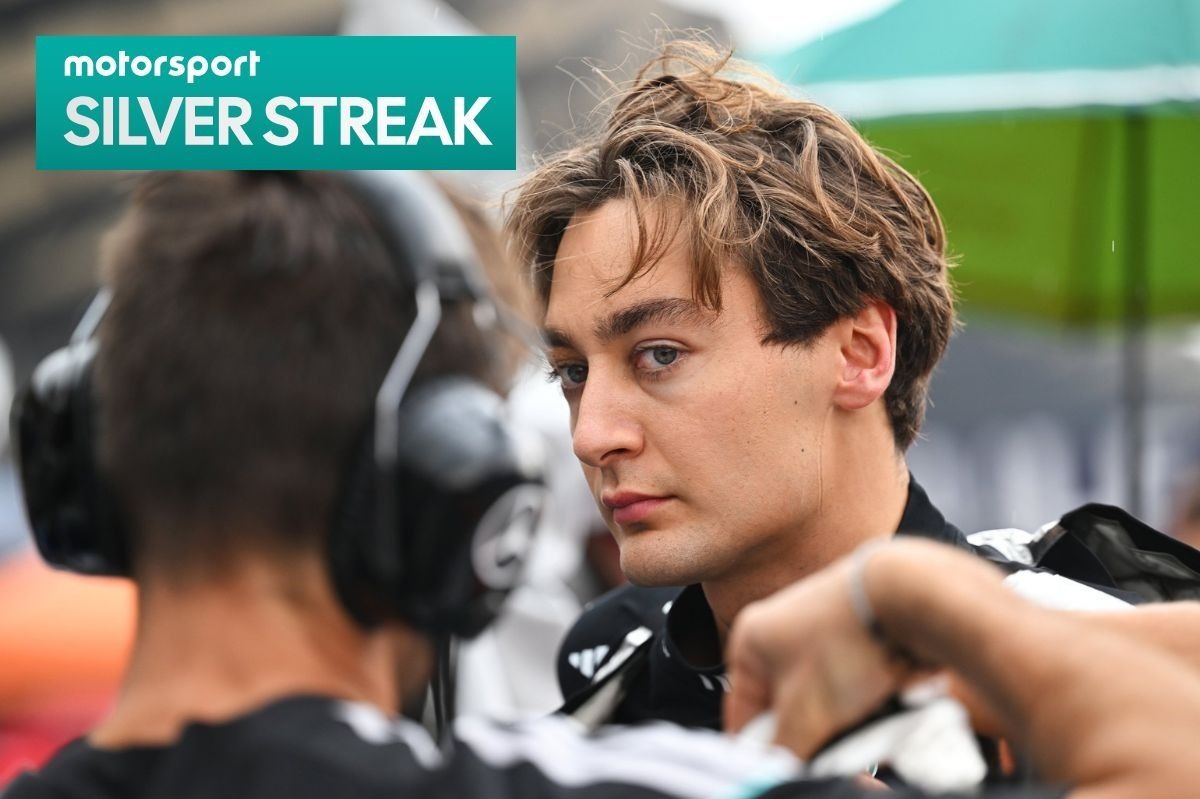
Singapore was already shaping up as a pressure-cooker weekend. Then Mercedes got handed the kind of news that changes the entire complexion of a race before the cars even roll out for qualifying. Toto Wolff confirmed to Motorsport.com that George Russell will take an engine penalty at Marina Bay, sending the Brit to the very back of the grid for Sunday’s Singapore Grand Prix. On a street circuit where track position is gold and clean air feels almost fictional, this is not a minor inconvenience. It is a survival mission.
The frustration inside Mercedes is obvious. Wolff called the situation “particularly frustrating” after Russell’s earlier retirement forced the team into the engine change. Singapore is brutal on machinery even when everything is healthy. The humidity hangs over the paddock like a weighted vest. The walls creep toward the drivers every lap. Add a back-row start into that equation and Mercedes suddenly shifts from attacking mode to damage limitation.
And here is the brutal part: Marina Bay does not hand out easy comeback drives. Overtaking windows are tight. Safety cars can rescue a strategy or completely bury it. Traffic management becomes the race within the race. Russell now enters the weekend needing precision instead of outright pace. One mistimed stop. One overheating phase behind slower cars. One lock-up into Turn 14. Suddenly a points salvage job turns into a wasted Sunday.
The grid penalty also reshapes the tactical board for everyone around Mercedes. Teams fighting in the midfield just got handed a cleaner runway into the points. Rivals near the front lose one threat from the opening laps. Singapore races already swing on timing and nerve; now one of the sharper qualifiers on the grid starts buried in the pack with brake temps climbing and tire life evaporating under the lights.
This is where Formula 1 gets cruel in ways other series do not. A title fight or constructors’ battle can pivot on reliability before the weekend truly begins. Fans love to talk about setup gains and qualifying heroics, but modern F1 still runs through the engine pool spreadsheet eventually. Push too hard across the season and the penalties arrive. Delay the change and the risk grows even worse.
One weekend. One component. Suddenly the entire tone changes.
Mercedes now faces the balancing act every top team hates. Chase recovery points aggressively or protect the car and avoid compounding the damage. Singapore punishes impatience harder than almost anywhere on the calendar. Drivers spend two hours threading millimeters between concrete barriers while managing battery deployment, tire degradation, brake temperatures and traffic chaos. Starting from the back there means Russell’s race could become less about outright speed and more about surviving the sequence.
There is still intrigue here. Russell has built a reputation on maximizing messy races and staying composed in high-pressure conditions. If safety cars scramble strategy, if attrition climbs, if the race stretches into one of those classic Marina Bay endurance tests, the door opens slightly. Not wide. Slightly. A top recovery drive on this circuit usually requires equal parts pace, patience and luck from race control timing.
Singapore does not reward desperation. It rewards drivers who can think clearly at 300 kilometers per hour while sweat pours into their gloves.
The larger concern for Mercedes is momentum. Engine penalties this late in the season are rarely isolated stories. They hint at how aggressively teams have been pushing reliability margins through the year. Every extra component taken now tightens the margin for error later. One difficult weekend can quickly become two if reliability concerns linger or strategic flexibility disappears.
For the fans, though, the setup is undeniable. A fast Mercedes slicing through a night race street circuit creates immediate tension. Every overtake attempt carries risk. Every safety car redraws the board. Every strategy call suddenly matters more. Russell’s Sunday became infinitely harder, but also infinitely more compelling.
Looking Ahead: Singapore now pivots around recovery racing, tire management and whether Mercedes can turn a back-row penalty into meaningful points under the lights. Marina Bay rarely follows the script. This weekend just ripped up another page.