
 Tennis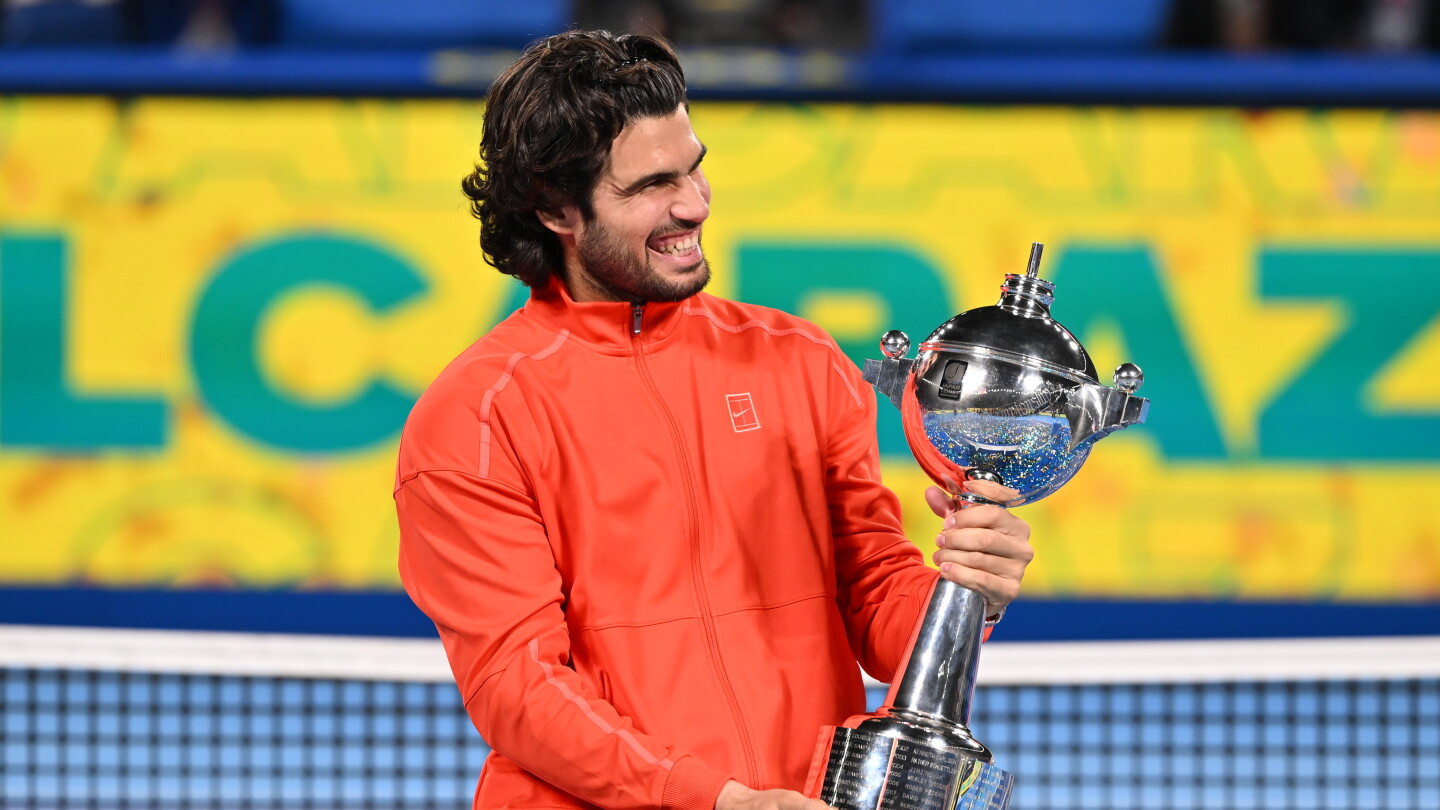
October tennis usually lives in the margins. Jet lag. tired legs. indoor swings. Ranking math. Then Carlos Alcaraz landed in Tokyo and turned the week into a statement piece.
The Japan Open final carried more weight than a standard ATP stop. Alcaraz beat Jiri Lehecka to defend the title, as NBC Sports and Fox Sports detailed, and the bigger story sat underneath the trophy lift. This was a clean, sharp response after an injury layoff that had the tour waiting to see how quickly the Spaniard could rediscover his timing. The answer arrived fast. Heavy forehands. Calm service games. Movement that looked closer to instinct than recovery.
That changes the temperature around the fall season immediately.
Alcaraz has already built a reputation for violent shotmaking and all-court improvisation, but Tokyo showed discipline too. He did not spend the week chasing highlight reels. He controlled points, absorbed pressure and managed the tournament like a player aware that October titles can shape the next six months. Tennis calendars never really stop anymore. Momentum in Asia rolls into indoor season. Indoor season rolls into the offseason conversation. The offseason disappears in about five minutes.
This title felt less like a comeback story and more like a reset button.
Fox Sports noted that the victory marked a major step following the injury absence, and that phrase lands because top players rarely get easing-back-in periods anymore. The ATP field punishes hesitation. A half-step slower turns into a break point. A shaky service game becomes a two-hour grind. Alcaraz skipped the rust phase almost entirely. That is the headline.
And it is not only about Tokyo.
The wider ATP picture suddenly tightens when Alcaraz looks physically free. Opponents know the stress he creates over five or six shots. A neutral rally against him rarely stays neutral. One heavy forehand opens the court, then the sprint to net comes fast, then the point is gone. Tokyo reminded everyone how quickly he can own a match rhythm when healthy. The scary part for the rest of the draw: he still looked like a player rebuilding sharpness in spots, yet the title never slipped from his hands.
Lehecka deserves mention here too. Reaching a final opposite Alcaraz is no small task in the current ATP climate. The Czech has continued to push deeper into important tournaments and force higher-ranked players into physical exchanges. Even in defeat, the run matters. The tour always hunts for who is next, who can crack the established hierarchy, who can survive the weekly pressure of elite-level baseline tennis. Lehecka keeps putting himself in those conversations.
But this week belonged to Alcaraz. Plain and simple.
NBC Sports framed the title defense as a significant marker after injury, and the visual side backed it up. The movement looked explosive again. The point construction carried patience. Most importantly, the body language stayed loose through pressure moments. Players returning from layoffs often reveal the uncertainty first between points, not during them. Alcaraz carried himself like somebody whose confidence returned before the trophy ceremony.
That should send a ripple through the indoor swing.
Because when Alcaraz enters events healthy, the geometry of the court changes for everybody else. Defensive players suddenly have less time. Big servers get dragged into extra rallies. Counterpunchers are forced wider than they want to be. His pace is obvious. His variety is what really bends matches. Tokyo flashed both.
The timing matters too. October titles are not built on glamour alone; they are built on survival. Players are carrying miles on their legs by now. Even elite contenders start managing energy instead of imposing it. Alcaraz flipped that script in Japan. He looked refreshed enough to attack. Fresh enough to defend a title instead of merely protecting ranking position.
That is a dangerous development heading deeper into the calendar.
Looking Ahead: The ATP tour now shifts toward the pressure-heavy indoor stretch, where quick courts and compressed schedules expose any physical weakness immediately. Alcaraz just erased most of the questions around his own condition with one week in Tokyo. The racquet speed is back. The movement is back. And the rest of the field just got a reminder that giving him rhythm is tennis malpractice. If you missed it, you’re behind.